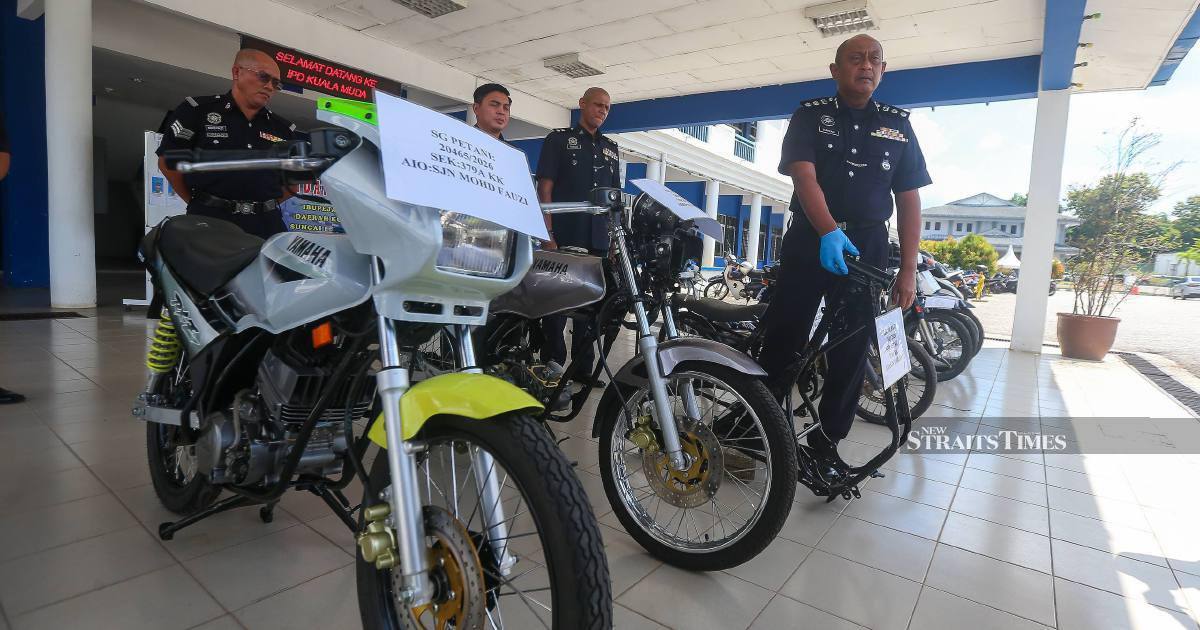
Law enforcement authorities in Sungai Petani have taken four teenage boys into custody following an investigation into motorcycle thefts in the vicinity of the Keretapi Tanah Melayu Bhd (KTMB) parking facility. The arrests, conducted on July 14, mark a significant crackdown on a crime spree that has targeted commuters and travellers using the railway transit hub in the Kedah district.
Among those detained are three brothers, all juveniles, alongside a fourth teenager unrelated to the family unit. The coordinated nature of the arrests suggests police had developed a comprehensive picture of the criminal network operating in the area. The investigation focused on activities around the KTMB parking zone, a location that serves as a crucial interchange for passengers accessing rail services in the northern corridor.
Motorcycle theft remains a persistent challenge across Malaysia's urban and semi-urban centres, with organised youth gangs frequently targeting two-wheeled vehicles left unattended at transportation hubs, commercial areas, and residential neighbourhoods. The Sungai Petani incidents underscore the vulnerability of commuters who rely on motorcycles for last-mile connectivity to public transport networks. Transit parking areas, by their nature, concentrate valuable assets in a single location, creating opportunities for opportunistic and organised theft operations.
The KTMB parking facility near Sungai Petani serves a significant catchment population across the northern region, making it an attractive target for criminals seeking quick profits through the resale of stolen motorcycles or their components. Such thefts impose financial hardship on victims and can disrupt their daily mobility, particularly for those depending on two-wheelers to commute between home and transportation terminals.
The involvement of three related teenagers in the theft network raises questions about familial influences and peer dynamics in juvenile delinquency. Criminological research suggests that sibling involvement in crime often reflects shared environmental factors, inadequate supervision, or exposure to criminal role models within family structures. The presence of a fourth unrelated teenager indicates the broader social context in which these young offenders operate, potentially suggesting recruitment through friendship networks or schooling circles.
Police investigations into such cases typically examine the distribution network for stolen motorcycles, identifying whether the juveniles operated independently or as part of a larger criminal enterprise involving adult handlers. The strategic location near the KTMB facility suggests perpetrators understood the movement patterns of commuters and timing of parking area occupancy. Intelligence gathering in these investigations often extends to monitoring online marketplaces and unlicensed repair workshops where stolen vehicles and components are traded.
The arrest operation reflects the Royal Malaysian Police's ongoing commitment to combating vehicle-related crime through targeted operations in high-risk areas. Sungai Petani, as a commercial and transportation hub in Kedah, has periodically experienced crime spikes requiring focused law enforcement interventions. Community safety at transit facilities directly influences public confidence in using public transportation, making these arrests significant for maintaining the integrity of the KTMB network's security reputation.
Juvenile detention and prosecution in Malaysia follows established procedures outlined in the Child Act, which emphasises rehabilitation alongside accountability. The teenagers now face questioning regarding the specific motorcycles stolen, ownership patterns, disposal methods, and potential involvement in other unreported thefts. Investigators will likely examine phone records, social media communications, and witness statements to reconstruct the timeline and methodology of the theft operations.
For Sungai Petani residents and regular KTMB commuters, the arrests provide temporary relief but underscore the need for sustained security measures at parking facilities. Enhanced surveillance, regular patrols, improved lighting, and community awareness programmes constitute standard responses to recurring motorcycle theft patterns. Vehicle owners are typically advised to employ multiple security layers, including steering locks, alarm systems, and secure parking in well-monitored zones whenever possible.
The case exemplifies challenges facing law enforcement in addressing juvenile crime within transportation ecosystems. Sungai Petani's strategic position in the northern corridor and its role as a transportation interchange make it vulnerable to opportunistic criminals exploiting the constant flow of vehicles and transient populations. The successful apprehension of these four teenagers demonstrates investigative capability, though sustained prevention requires addressing underlying socioeconomic and social factors that drive youth towards property crimes in the first instance.

