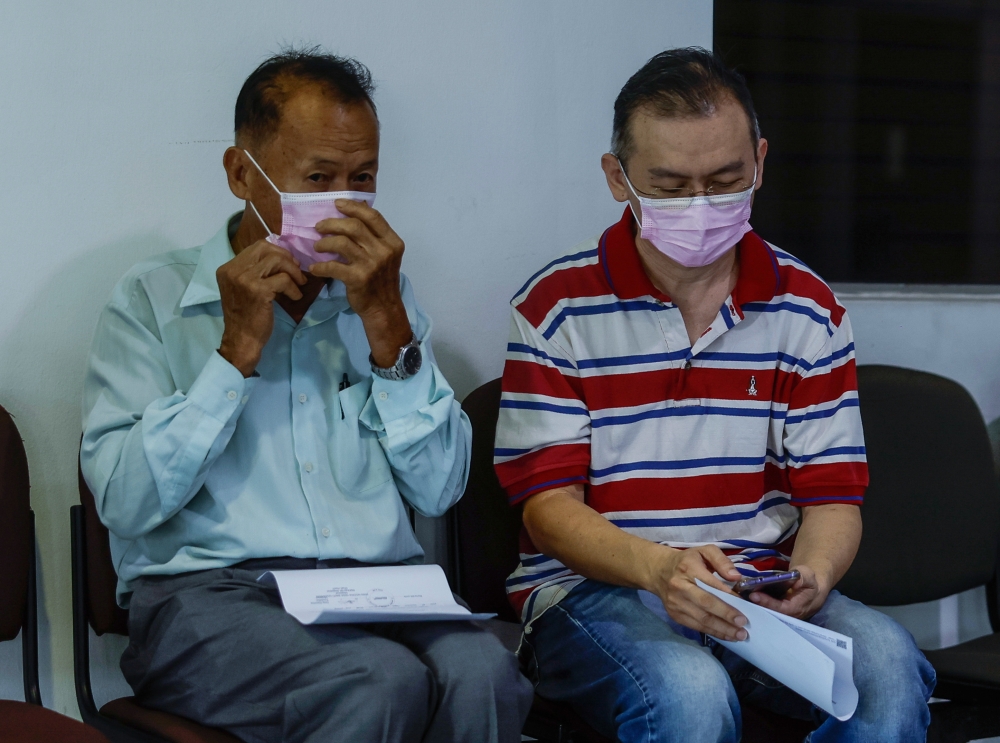
Four individuals appeared before the Sessions Court in Shah Alam on Wednesday to face charges stemming from false declarations submitted to the Perkeso Daya Kerjaya 2.0 employment support initiative. The charges reflect mounting scrutiny on the integrity of government-backed vocational and employment assistance programmes that serve as critical lifelines for job seekers across Malaysia.
The Daya Kerjaya 2.0 scheme, administered by the Employees Provident Fund's (EPF) social enterprises division, represents one of the country's primary mechanisms for assisting unemployed and underemployed Malaysians in securing meaningful work. The programme provides subsidised training, job placement support, and wage supplements to participating employers, making it an essential component of the nation's social safety net during periods of economic transition. When applicants submit false or misleading information, they not only defraud the public purse but undermine the scheme's ability to serve those genuinely requiring assistance.
The nature of the alleged false statements typically involves misrepresenting employment status, qualifications, or personal circumstances on application forms. Such infractions carry serious legal consequences under Malaysian law, as they constitute fraud against a government institution. The charges underscore the enforcement mechanisms in place to maintain programme credibility, though questions persist about whether verification procedures during the application stage might have been more robust.
This case emerges against a broader backdrop of heightened scrutiny on social assistance programmes in Malaysia. Authorities have intensified investigations into fraudulent applications across multiple government schemes in recent years, recognising that limited resources must be directed toward legitimate beneficiaries. The Perkeso Daya Kerjaya 2.0 initiative, having processed tens of thousands of applications since its inception, occasionally encounters deliberate misrepresentations that trigger legal action.
For Malaysian job seekers, such cases carry dual implications. On one hand, they demonstrate that authorities are actively policing programme abuse and protecting the integrity of public funding. On the other, they may raise concerns among legitimate applicants about application complexity and documentation requirements that, while necessary for verification, sometimes create barriers to access. The challenge lies in maintaining security without inadvertently deterring eligible candidates from applying.
The Shah Alam court proceedings are likely to generate ripple effects across other state enforcement branches, as the Public Prosecutor's Office coordinates investigations into suspected fraudulent applications nationally. Word of prosecution typically spreads through social networks, creating a deterrent effect among those contemplating dishonest applications. This informal enforcement mechanism, while imperfect, complements formal legal proceedings in reducing overall fraud rates.
Employment schemes like Daya Kerjaya 2.0 have gained particular significance in Malaysia's post-pandemic economic recovery. As businesses restructure and automation accelerates, government-supported programmes cushion the transition for displaced workers. When fraudulent applications consume resources, they diminish the capacity of these schemes to serve vulnerable populations, including older workers, individuals from lower-income backgrounds, and those lacking formal qualifications.
The specific charges faced by the four individuals would typically fall under the Penal Code provisions dealing with making false statements to government bodies or providing misleading information to obtain benefits. Conviction could result in fines, imprisonment, or both, depending on sentencing guidelines and aggravating circumstances. Such penalties serve both a punitive and deterrent function within the criminal justice system.
From a Southeast Asian perspective, Malaysia's approach to policing employment assistance fraud aligns with regional trends toward stronger accountability in social welfare administration. Neighbouring countries similarly grapple with balancing programme accessibility against fraud prevention. The Shah Alam case illustrates the institutional maturity of Malaysia's enforcement apparatus, even as questions remain about preventive measures earlier in the application pipeline.
Looking forward, the incident highlights the importance of robust verification systems without creating unnecessary friction for legitimate applicants. Some analysts suggest that enhanced pre-application counselling and digital verification tools could reduce fraudulent submissions while maintaining user-friendly access. The Perkeso Daya Kerjaya 2.0 programme continues to evolve, incorporating lessons learned from enforcement actions.
For Malaysians contemplating applications to employment assistance schemes, the message is unambiguous: submitting accurate information remains both an ethical imperative and a legal requirement. The commitment of authorities to prosecute fraud ensures that public resources reach those genuinely entitled to support, preserving the sustainability and credibility of programmes that millions depend upon during career transitions and employment difficulties.

