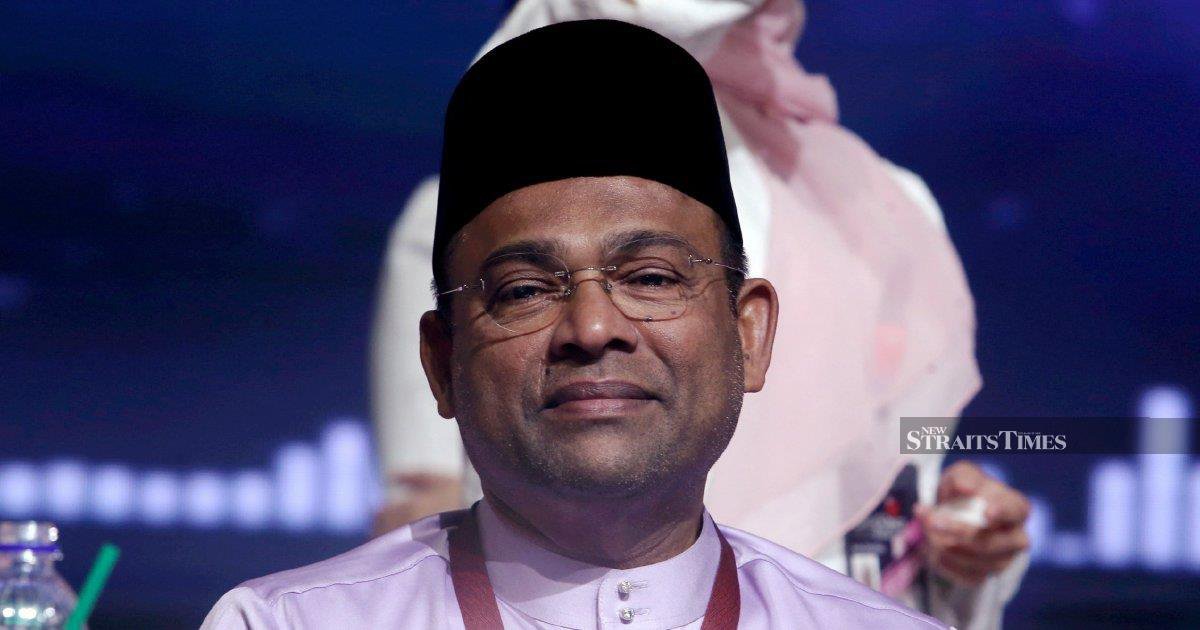
Datuk Seri Abdul Azeez Abdul Rahim, who previously headed Tabung Haji, has deflected mounting pressure from Bersatu to clarify his interactions with the Malaysian Anti-Corruption Commission in connection with the recently completed Royal Commission of Inquiry examining the troubled pilgrim fund. The former chairman's reluctance to engage with the political party's specific demands represents a notable shift in how top officials are responding to scrutiny over the findings.
The exchange underscores the heightened tensions surrounding the RCI probe, which has cast a widening net of oversight across Malaysia's largest Islamic financial institution. Bersatu, positioning itself as a guardian of accountability, has pressed Azeez to publicly confirm whether investigators approached him with questions stemming from the commission's investigation. The pilgrim fund, which manages savings for Malaysian Muslims undertaking the Hajj pilgrimage, has faced mounting governance concerns and financial irregularities in recent years, making the RCI findings significant for the broader Muslim community and religious affairs sector.
Azeez's response centred on a narrow technical point: the RCI report itself does not specifically mention his name in its findings. This legalistic approach creates ambiguity about whether he was questioned as part of the inquiry without being directly implicated in wrongdoing, or whether his tenure had concluded before the investigation reached certain phases. The distinction matters substantially because it shapes public understanding of which leadership figures faced formal scrutiny and which remained peripheral to the probe's scope.
The Bersatu challenge reflects deeper anxieties within Malaysia's political establishment about transparency in high-level investigations. By pressing Azeez to voluntarily disclose MACC contact, the party seeks to establish precedent whereby senior figures cannot remain silent about their cooperation with anti-corruption authorities. This strategy appeals to voters who increasingly demand that public officials demonstrate accountability voluntarily rather than only when compelled by law.
Tabung Haji's governance crisis has exposed structural weaknesses in how Islamic financial institutions operate under Malaysian oversight. The fund manages billions of ringgit from millions of depositors saving toward religious obligations, making its administration a matter of both spiritual and economic significance. When leadership questions arise, particularly involving potential malfeasance, the ripple effects extend throughout Muslim communities who view the organisation as a trusted custodian of their religious aspirations and financial security.
Azeez's tenure as chairman occurred during a transformative period for the institution, encompassing market volatility, evolving regulatory frameworks, and shifting approaches to Islamic finance management. Determining which decisions and policies originated during his stewardship versus his successors' requires clarity about timelines and administrative responsibilities. The RCI investigation presumably clarified these boundaries, yet public disclosure remains incomplete, leaving room for speculation and political manoeuvring.
The broader context involves Malaysia's ongoing effort to strengthen anti-corruption mechanisms and institutional accountability. The MACC operates as a critical instrument for this agenda, but its effectiveness depends partly on public cooperation and transparency from those questioned. When senior officials adopt evasive postures regarding basic facts like whether they were contacted by authorities, it complicates the agency's work and raises questions about whether elite accountability functions differently from standards applied to ordinary citizens.
Bersatu's initiative reflects current political dynamics where different coalitions compete to claim the mantle of anti-corruption crusaders. By highlighting Azeez's silence, the party signals to constituents that it maintains independent oversight capacity and refuses to accept official passivity. Simultaneously, Azeez's deflection suggests either confidence that the RCI findings exonerate him substantially or a calculation that engaging with Bersatu's challenge would grant the opposition party more political platform than prudent.
The standoff illustrates how Malaysia's governance ecosystem remains caught between formal institutional processes like the RCI and informal political pressures that shape public narratives. While investigative commissions deliver official findings, their impact ultimately depends on how stakeholders interpret and discuss conclusions. When major figures like Azeez maintain strategic silence, they cede narrative authority to opponents while simultaneously avoiding direct confrontation that might generate additional scrutiny.
For Malaysian Muslims contemplating Tabung Haji deposits, these institutional clarity gaps create uncertainty. They want assurance that leadership failures have been identified, accountability mechanisms activated, and structural reforms implemented. Ambiguity about which executives cooperated with investigations or faced questioning undermines confidence that systemic change has genuinely occurred. Until former leaders transparently address their roles, many depositors may harbour doubts about whether Tabung Haji's governance transformation represents genuine institutional renewal or merely cosmetic restructuring.
The unresolved question of Azeez's MACC engagement typifies how Malaysia's accountability agenda sometimes stalls when powerful individuals deploy technical legalism and strategic silence. Moving forward, establishing clearer expectations about senior officials voluntarily disclosing their participation in investigations could strengthen public confidence that the anti-corruption framework applies consistently across all levels of society.

