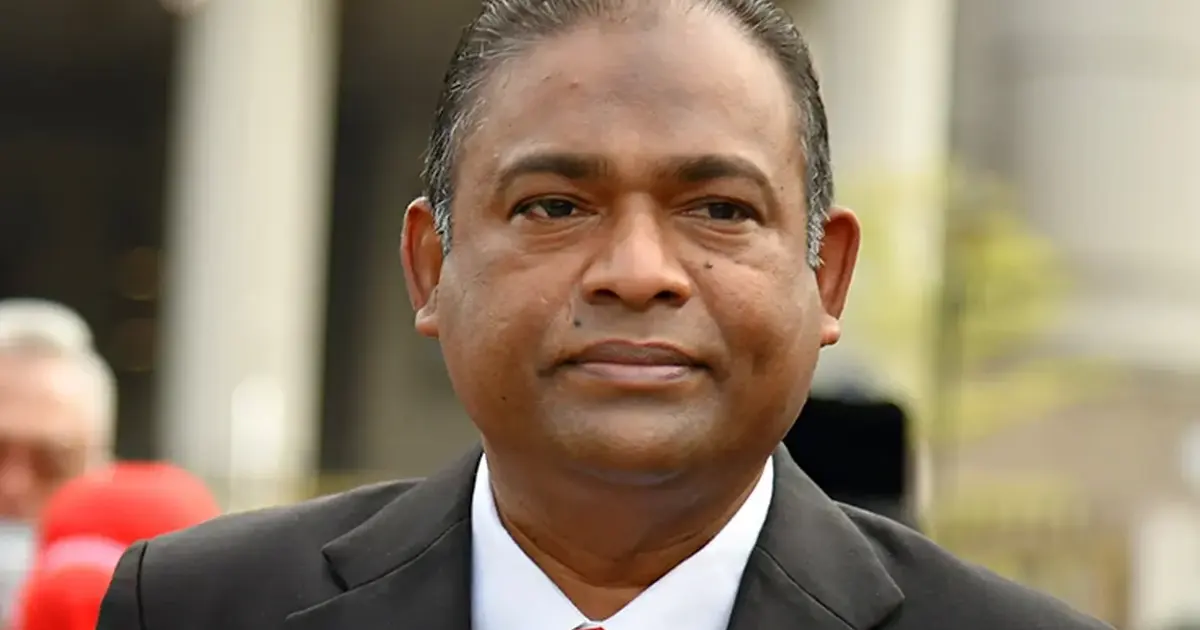
Speculation surrounding the possible arrest of former Baling MP Abdul Azeez Abdul Rahim by the Malaysian Anti-Corruption Commission has been swiftly denied by his family, who took to social media to dispel mounting rumours that had circulated since the previous evening. The clarification comes as reports of the alleged detention gained traction online, prompting the need for the former politician's household to issue a public statement addressing the widespread claims.
Abdul Azeez Abdul Rahim, who previously served as chairman of Tabung Haji, held the parliamentary seat for Baling and was a notable figure in Malaysian political circles. The circulation of unverified claims about his detention highlights the speed at which information—accurate or otherwise—can spread through digital channels, particularly when involving public figures with prominent profiles. In an era where social media serves as a primary source of news for many Malaysians, the distinction between verified information and unsubstantiated rumour has become increasingly blurred.
The family's prompt response underscores a growing pattern whereby public figures and their representatives must actively counter misinformation to protect their reputation and credibility. By directly engaging with social media speculation rather than allowing claims to develop unchecked, the family has attempted to control the narrative surrounding their relative. This approach reflects the contemporary reality that silence in the face of viral allegations can be interpreted as tacit admission, making swift clarification a necessary defensive strategy in the digital age.
Tabung Haji, Malaysia's pilgrimage savings fund, has been the subject of considerable public scrutiny in recent years following various governance and financial controversies. Leadership positions within the institution carry significant public accountability, and former chairs remain under potential scrutiny for decisions made during their tenure. The involvement of a former Tabung Haji chairman in social media speculation about MACC action inevitably draws attention to the broader questions about institutional oversight and financial management that have periodically surfaced regarding the organisation.
The Malaysian Anti-Corruption Commission maintains a high public profile in the nation's efforts to combat graft and misconduct within government and publicly-listed entities. Any suggestion of MACC involvement typically generates substantial public interest given the commission's central role in investigating allegations against public officeholders and institutions. The spread of arrest rumours involving a former senior government figure therefore commands attention both from traditional media and from online communities seeking to discuss developments in Malaysia's anti-corruption agenda.
Social media has become a double-edged instrument in Malaysian public discourse, enabling rapid information dissemination while simultaneously facilitating the spread of unverified claims and deliberately misleading content. For individuals connected to government or major institutions, this environment presents ongoing challenges in managing public perception and countering false allegations. The incident involving Abdul Azeez Abdul Rahim exemplifies how digital platforms can amplify speculation far beyond what traditional media channels might achieve, reaching millions of users within hours.
The pattern of unsubstantiated arrest claims emerging and subsequently being denied is not unprecedented in Malaysian politics. Public figures, whether currently active or in retirement, frequently find themselves subjects of online conjecture, particularly during periods of heightened media focus on anti-corruption initiatives or institutional reviews. The ability to quickly verify such claims has become essential for news organisations and the public in distinguishing genuine developments from rumour and misinformation.
The family's statement represents an important intervention in a narrative that had already taken hold among certain online communities. By directly denying the allegations rather than allowing the rumour to persist, the household sought to establish factual clarity and potentially prevent further escalation of false claims. This proactive approach also serves to protect the dignity and reputation of the former official, matters of considerable importance for a figure who held positions of public trust.
For Malaysian readers and observers of domestic politics, such incidents serve as important reminders of the necessity for critical evaluation of information encountered on social media. While platforms offer valuable opportunities for civic engagement and rapid information sharing, they also create spaces where unverified claims can flourish without adequate fact-checking mechanisms. The responsibility for determining accuracy falls increasingly upon individual users to verify claims through multiple credible sources before accepting and sharing such information.
The broader implications of this episode extend beyond the specific individuals involved. It reflects ongoing tensions in Malaysia between the public's appetite for transparency regarding investigations into public figures and the potential for reputational damage from unsubstantiated allegations. These dynamics will likely continue to shape how MACC operations, political figures, and institutional governance are discussed and debated in the public sphere, particularly as social media continues to evolve as a primary forum for such conversations.
Moving forward, this incident underscores the importance of media literacy within Malaysian society and the need for readers to exercise caution when encountering sensational claims about public figures. The denial issued by the family serves as a clear example that not all information circulating online reflects actual events, regardless of how widely such claims may have spread or how credible they initially appear to observers unfamiliar with the facts.

