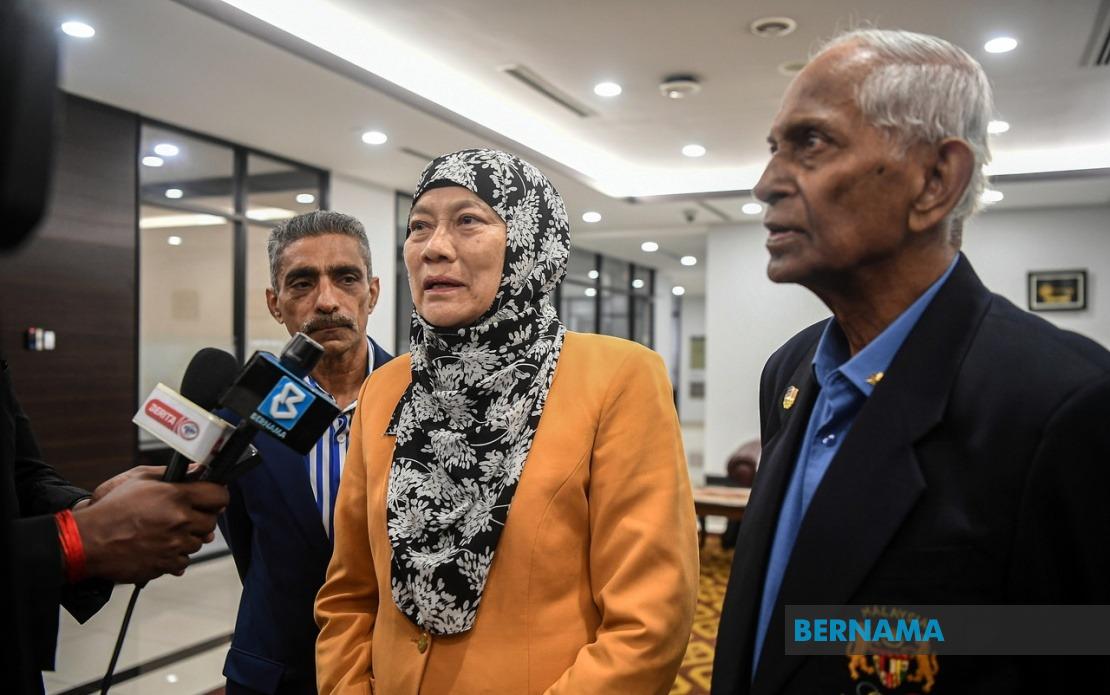
Datuk Zaiton Othman, a decorated former national athlete and former Sports Commissioner, has issued a stark warning to Malaysia Athletics about the consequences of governance deficiencies, cautioning that the organisation faces potential suspension or loss of registration if it continues to operate outside World Athletics compliance frameworks. Speaking to journalists at Parliament on June 23, Zaiton underscored the gravity of the situation, noting that any constitutional amendments or administrative decisions that diverge from World Athletics standards could trigger disciplinary measures from the international body that oversees the sport globally.
The implications of such action would be severe for Malaysian athletics and the broader sports calendar. Should Malaysia Athletics face suspension, the nation would be barred from hosting track and field events during the 2027 SEA Games, an outcomes that troubles Zaiton and other sport leaders given athletics' significant medal contribution to Southeast Asia's premier multi-sport competition. Beyond the hosting question, a suspension would prevent Malaysian athletes from participating in international competitions sanctioned by World Athletics, effectively isolating the country's track and field talent from regional and global competition networks.
Zaiton highlighted that athletics ranks among the medal-generation powerhouses at SEA Games alongside swimming and shooting, making governance failures in this discipline particularly costly for Malaysia's medal tally. The sport commands considerable prestige, with flagship events such as the men's 100 metres and the 4×100 metres relay drawing attention and offering 47 gold medals across the SEA Games programme. The prospect of Malaysia, as the 2027 host nation, being unable to organise these signature events represents not only an embarrassment but also a forfeiture of home advantage for national competitors.
Zaiton's intervention comes as part of broader advocacy by the Reformation in Sports and Excellence (RISE), a sports governance initiative that recently met with Youth and Sports Minister Dr Mohammed Taufiq Johari at Parliament. The delegation included accomplished voices in Malaysian sport: Olympian Datuk Karu Selvaratnam and Datuk Noorul Ariffin Abdul Majeed, former chairman of the National Athletes Welfare Foundation (YAKEB). This convergence of former athletes and administrators signals serious concern within the sporting establishment about standards slipping at Malaysia Athletics and the cumulative damage to athlete welfare and national competitiveness.
The governance deficiencies at Malaysia Athletics are not recent phenomena. In May, Malaysia Athletics President Karim Ibrahim stepped back from day-to-day leadership ahead of the Annual General Meeting scheduled later that month, specifically to create space for constitutional amendments designed to harmonise Malaysia Athletics' rules with those of World Athletics. This move acknowledged an urgent alignment problem that had festered for some time, raising questions about how regulatory drift occurred in the first place and why remedial action took so long to materialise.
Karim Ibrahim's leadership record has been complicated by his own disciplinary history with World Athletics. In 2018, the international governing body suspended him—a sanction later upheld by the Court of Arbitration for Sport (CAS) following his appeal. Despite this suspension on his personal conduct record, Ibrahim retained eligibility to contest and serve on the Asian Athletics Federation Executive Council for the 2019–2023 term, a distinction that allowed him to remain influential within regional athletics governance structures even as his authority at the domestic level faced questions.
The regulatory framework governing sports associations in Malaysia provides the government and Sports Commissioner with oversight mechanisms, though direct intervention in administrative affairs is constrained. The Sports Development Act 1997 grants the Sports Ministry and Commissioner authority to monitor compliance and enforce standards, giving them legal grounds to sanction associations that operate outside prescribed frameworks. However, this power operates within boundaries designed to preserve the autonomy of sports bodies, meaning the ministry's role is supervisory rather than interventionist—a balance that has clearly created space for governance lapses to develop unchecked.
Zaiton's characterisation as the 'Iron Woman' during her competing days reflects a career defined by resilience and commitment, qualities she now directs toward institutional reform. Her involvement in advocating for Malaysia Athletics governance improvement carries weight because she brings credibility from both athlete and administrator perspectives. Former athletes carry moral authority in governance discussions because they understand how institutional dysfunction ultimately harms the people competing under those systems.
The path forward requires Malaysia Athletics to act decisively on constitutional reforms and demonstrate genuine compliance with World Athletics standards. The AGM process mentioned in reports provides a formal mechanism for implementing necessary changes, but delay or half-measures risk inviting international scrutiny and potential enforcement action. For Malaysian athletes preparing for 2027 and beyond, the resolution of these governance questions is not merely administrative housekeeping but foundational to their ability to pursue competitive careers within international frameworks.
The broader context extends beyond Malaysia. Southeast Asia's athletic development depends on robust governance at national association levels and credible compliance with international standards. When major athletics nations within the region face regulatory questions, it affects the credibility and competitiveness of the entire Southeast Asian athletics ecosystem. Malaysia's 2027 SEA Games hosting opportunity thus carries symbolic weight—demonstrating that the nation can maintain governance standards befitting a regional sports leader would send positive signals throughout Southeast Asian sport.
Zaiton's public advocacy also reflects a larger shift in Malaysian sport toward greater transparency and standards-based accountability. The involvement of RISE and the consultation with government ministers suggests that sports governance reform has graduated from behind-closed-doors conversations to public policy discourse. This transparency, while potentially uncomfortable for administrators facing scrutiny, ultimately strengthens the institutional legitimacy of Malaysian sport by demonstrating that governance failures do not go unaddressed.