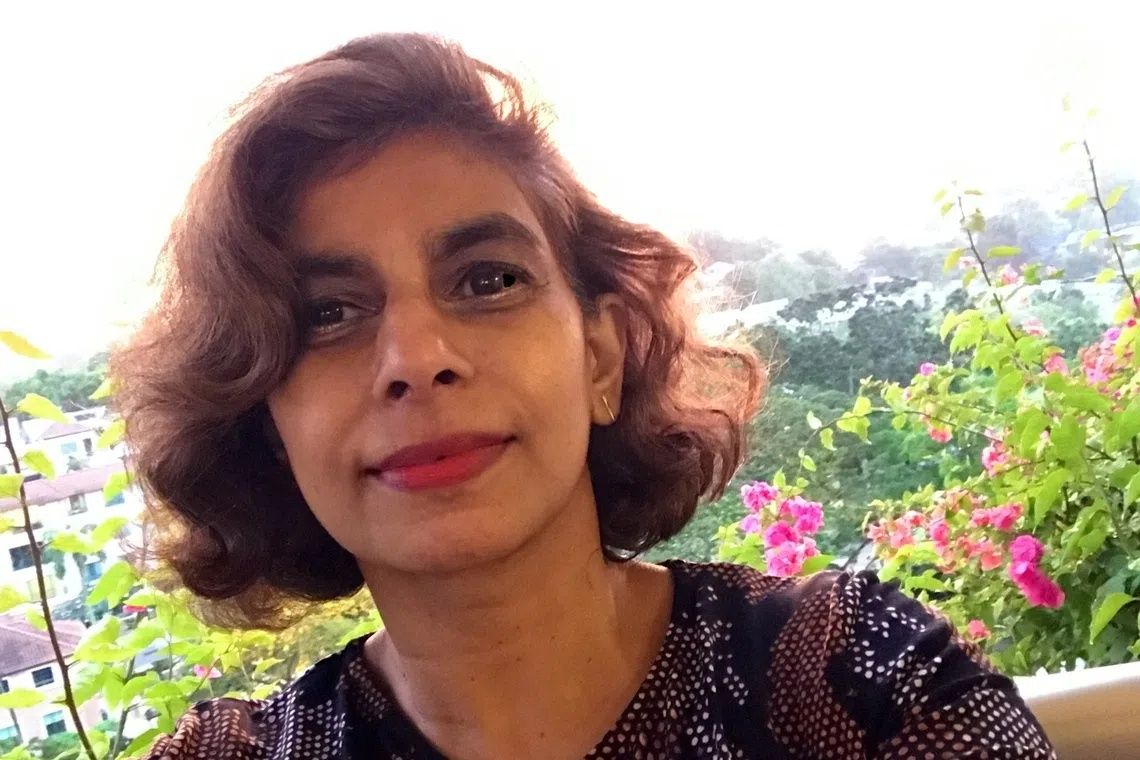
A former Singapore television journalist has been granted release on a S$5,000 personal bond following an extended remand period that lasted more than five months. Haseenah Koyakutty, aged 57, appeared before the courts on August 5 for a bail review hearing, marking a significant development in a case that has drawn attention to questions of judicial process and compliance with bail conditions in the city-state.
The prosecution chose not to oppose the bail application, acknowledging the length of time the accused had already spent in custody. A spokesperson for the prosecution stated that given Koyakutty's extended detention spanning five months and seven days, they would not resist the granting of a personal bond set at S$5,000. Her defence counsel, Sunil Sudheesan, supported the application, and the presiding judge subsequently approved the bail arrangement.
Koyakutty's legal troubles appear rooted in alleged violations of previously granted bail conditions. Court documents indicate that she had been released on bail between May 2023 and May 2025 but allegedly failed to adhere to the stipulated requirements of her release. Specifically, she is accused of neglecting to report to her assigned investigation officer at designated times, a breach that appears to have triggered her remand.
The charges levied against Koyakutty are diverse in nature and span several years. She faces six counts in total, with one particularly notable charge relating to an incident on December 17, 2025, at Takashimaya Shopping Centre, where she allegedly used insulting language intended to cause alarm, with the comments reportedly directed at Singapore's Chief Justice. Under the Protection from Harassment Act, such conduct carries potential penalties of up to six months imprisonment, a fine of S$5,000, or both.
Additionally, Koyakutty is accused of committing criminal trespass at the Shangri-La Hotel in 2023, where she allegedly remained unlawfully within the premises. A separate trespass allegation relates to May 2025, when she is alleged to have entered and remained unlawfully on a property located in Bukit Timah, a residential area in Singapore. Criminal trespass convictions can result in imprisonment for up to three months, fines reaching S$1,500, or both.
A further complication to her case involves allegations that she refused to sign police statements made during questioning in April 2023 and again in June 2025. Such refusal to acknowledge or affix her signature to recorded statements can constitute a separate offence and may complicate legal proceedings by raising questions about the authenticity and admissibility of evidence.
Before her current legal difficulties, Koyakutty enjoyed a respected career in broadcast journalism spanning multiple decades and roles of increasing prominence. During the 1990s, she worked as a broadcast journalist with the Television Corporation of Singapore, the predecessor entity that would eventually evolve into modern Singapore's media landscape. Her career trajectory took her to Channel NewsAsia, where she served as Indonesia bureau chief, a position reflecting significant editorial responsibility and international experience.
Beyond her journalism career, Koyakutty also held an appointment as a visiting public diplomacy fellow at the Institute of Defence and Strategic Studies, a research institution affiliated with Nanyang Technological University. This academic posting suggests involvement in policy discussions and strategic communications, fields that intersect with governance and public affairs.
The case now proceeds toward a pre-trial conference scheduled for September 1, where the court will address procedural matters and prepare the case for substantive hearing. The bail conditions accompanying her release will likely include restrictions on her movement and requirements to remain available for legal proceedings, though the specific terms have not been publicly detailed.
For Malaysian observers, this case underscores the stringency with which Singapore enforces compliance with bail conditions and the potential consequences of breaches. The incident also reflects broader regional concerns about the intersection of free expression, respect for judicial figures, and the boundaries of permissible speech in Southeast Asia's more tightly regulated jurisdictions. The eventual outcome of Koyakutty's trial may carry implications for understanding how courts in the region balance individual rights against public order and institutional respect.
The lengthy remand period preceding bail approval raises questions about detention practices and the pace of judicial proceedings that may resonate across the region, where concerns about bail fairness and the presumption of innocence occasionally come under scrutiny. As the case develops toward trial, attention will likely focus on evidence presented regarding the trespass allegations and the statements around the Chief Justice, matters that touch on fundamental questions of conduct and accountability in Singapore's legal system.

