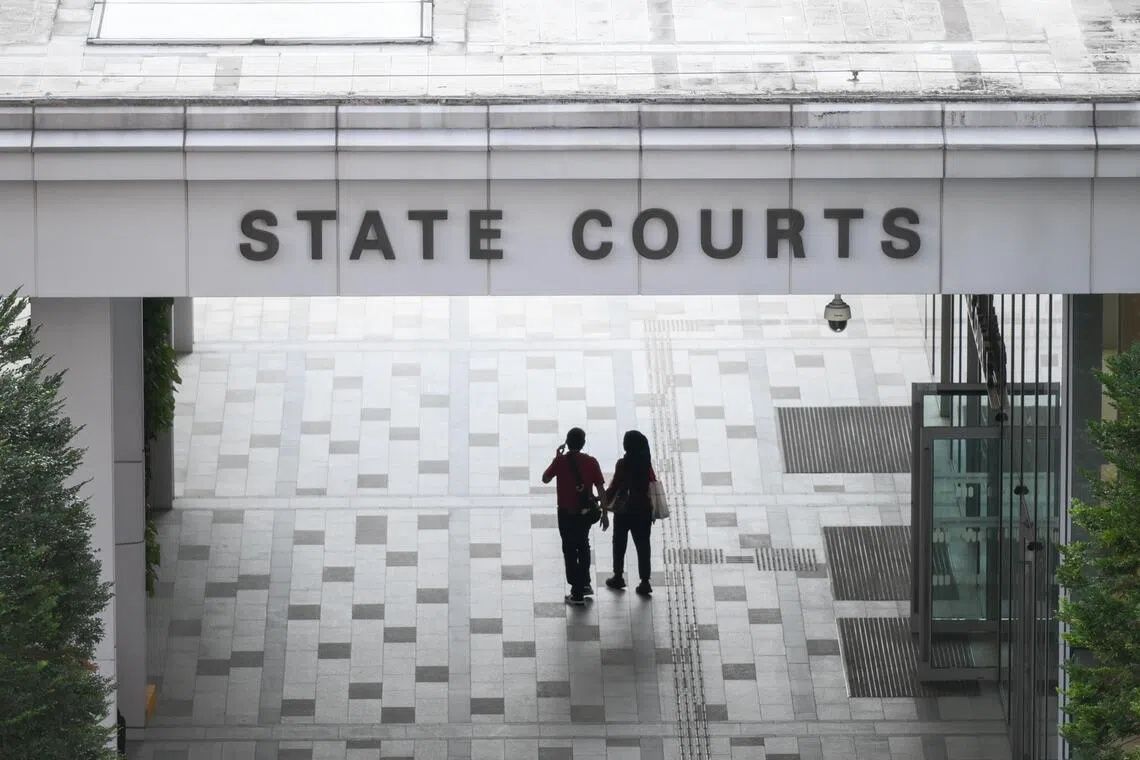
A 65-year-old former bank manager in Singapore will face prosecution after allegedly siphoning nearly S$1.8 million from her employer's vault over a 16-month period. The Singapore Police Force announced on Tuesday that it has completed its investigation into the case and will proceed with formal charges on Wednesday. The scale of the alleged theft and the deliberate concealment methods employed underscore the vulnerability of financial institutions even to their own trusted employees, a development that carries concerning implications for banking security across the region.
According to police statements, the woman systematically extracted S$1,729,000 from the bank's vault between May 2021 and August 2022 while serving as a branch manager. To evade discovery, she engaged in sustained document tampering, falsifying the institution's cash book records on more than 206 separate occasions over the period. This methodical approach to concealment demonstrates considerable planning and suggests potential shortcomings in the bank's internal audit and reconciliation mechanisms that allowed such extensive discrepancies to persist undetected for over a year.
The misappropriated funds served two primary purposes: personal debt repayment and financing gambling pursuits. The former manager herself cashed in S$42,405 at local casinos, but the bulk of the stolen money was distributed elsewhere. Investigators discovered that she transferred the majority of the illicit proceeds to a 36-year-old accomplice who acted as the primary gambler, suggesting a deliberate arrangement to compartmentalize activities and further obscure the trail of funds.
The secondary recipient of the stolen money exhibited extensive gambling behaviour during the same timeframe. Between December 2021 and September 2022, this woman cashed in S$1,521,509 at licensed Singapore casinos and transferred an additional S$790,106 to various third-party bank accounts facilitating remote gambling transactions. The distinction between licensed and illegal gambling platforms indicates awareness of legal boundaries coupled with willingness to circumvent them, pointing to a calculated effort to exploit multiple gambling channels simultaneously.
The criminal charges reflect the seriousness with which Singapore authorities treat financial crimes committed by employees entrusted with access to institutional assets. The former bank manager faces two amalgamated counts of criminal breach of trust by an employee, two counts of falsification of accounts, three counts of transferring benefits of criminal conduct, and one count of using benefits of criminal conduct. These charges carry substantial penalties: conviction could result in imprisonment for up to 15 years, a fine reaching S$500,000, or both sanctions imposed concurrently.
The 36-year-old accomplice faces marginally lighter charges: three counts of using benefits of criminal conduct and one count of illegal remote gambling. Her potential sentence extends to 10 years imprisonment and fines up to S$500,000. The differentiation in sentencing brackets reflects her secondary rather than primary culpability, though prosecutors clearly view her as knowingly complicit in deploying the stolen funds.
The case highlights vulnerabilities in Singapore's banking sector despite its reputation for stringent regulatory oversight. That a senior bank employee could manipulate records on over 200 occasions without triggering automated alerts or immediate escalation procedures suggests potential gaps in real-time monitoring systems. Financial institutions across Southeast Asia should view this case as a cautionary example of how even established security frameworks can be circumvented by insiders with sustained access and system knowledge.
Singapore's law enforcement response emphasises the government's commitment to protecting financial system integrity. Official statements indicate that authorities maintain zero tolerance for breach of trust offences, particularly when committed by individuals occupying positions of responsibility. Senior officers stressed that such crimes undermine corporate governance structures and erode public confidence in Singapore's banking infrastructure—stakes that extend beyond individual institutions to the broader regional financial ecosystem.
For Malaysian and broader Southeast Asian readers, this case underscores the importance of robust whistleblower protections, segregation of duties in financial operations, and advanced anomaly detection systems. The fact that the theft continued undetected for over a year suggests that personal accountability mechanisms—regular audits, surprise cash counts, and digital reconciliation—warrant strengthening across regional banking institutions. The accessibility of both licensed and unlicensed gambling platforms compounds the vulnerability, as employees with financial access may be exposed to greater temptation and coercion from gambling-related debts.
The authorities' determination to prosecute aggressively signals to potential offenders that position and seniority provide no insulation from justice. This deterrent message carries particular weight in Singapore's financial sector, where reputation and regulatory standing remain paramount. For international investors and trading partners, the visible enforcement action reinforces confidence in Singapore's governance standards, though the case simultaneously reveals that institutional vigilance requires constant renewal rather than assumption of automatic compliance.
The implications extend to staffing practices and background verification protocols across Southeast Asian banks. The case suggests that periodic psychological assessments or early intervention for employees displaying signs of financial distress or compulsive gambling might constitute prudent risk management. Additionally, the incident underlines the necessity of implementing cultural change initiatives that encourage reporting of suspicious activity without fear of retaliation, alongside technological solutions that flag unusual transactions instantaneously.

