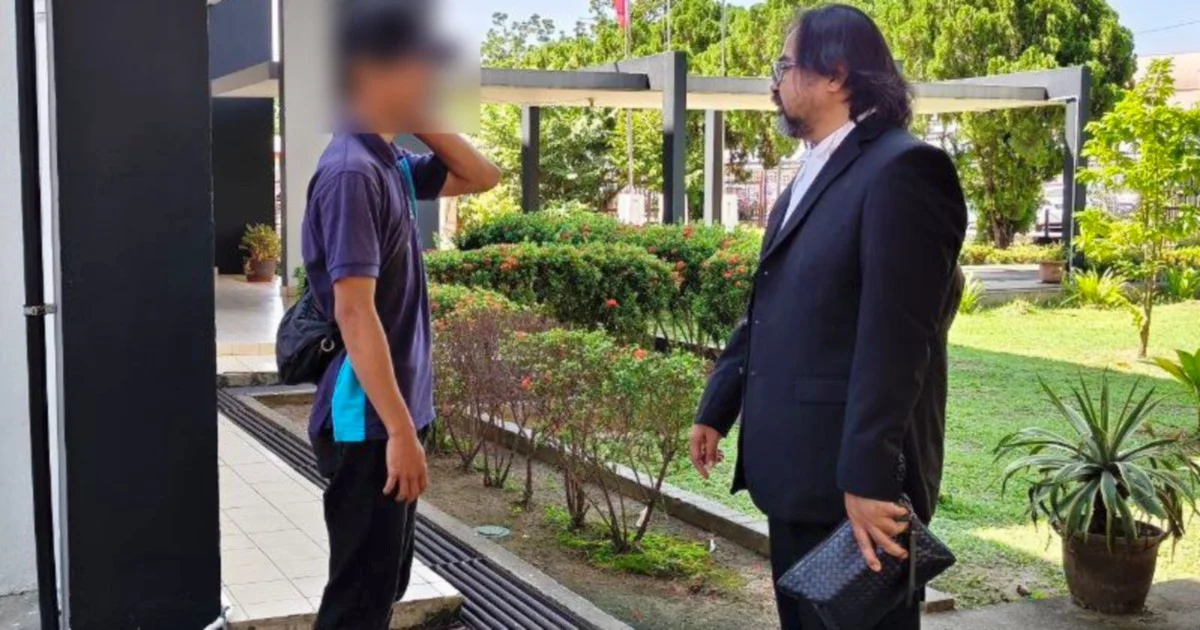
A young man who was accused of gang-raping a schoolmate whilst both were attending secondary school in Tawau has been cleared of all charges in the Magistrate's Court. The alleged offence took place two years before the judicial decision, involving a 15-year-old victim at the time of the reported incident. The court's determination to acquit and discharge the former student marks a significant moment in what appears to have been a protracted legal proceeding through the juvenile justice system.
The acquittal highlights the complexities inherent in prosecuting sexual assault allegations involving minors, particularly gang rape cases where multiple accused parties and corroborating evidence become critical factors in establishing guilt beyond reasonable doubt. Such cases place considerable burden on the prosecution to demonstrate culpability whilst simultaneously requiring the court to maintain rigorous evidentiary standards even when serious crimes against young victims are alleged. The discharge signifies that, based on the evidence presented during trial, the magistrate determined insufficient grounds existed to convict the accused.
Gang rape cases involving school-aged perpetrators and victims have drawn increased scrutiny across Malaysia in recent years, with heightened public awareness surrounding consent, sexual violence, and institutional accountability within educational settings. The involvement of adolescents in such matters frequently necessitates careful handling by law enforcement and the judiciary, balancing protections for the juvenile accused's future prospects against considerations of justice for the victim and deterrence of similar conduct. In many jurisdictions, including Malaysia, juvenile offenders are often afforded certain legal protections and alternative proceedings when possible.
The Tawau incident falls within Sabah's jurisdiction, a region where rape and sexual assault cases have periodically generated public discourse around victim support services and the effectiveness of investigative procedures. Rural and semi-urban areas in East Malaysia have, in certain instances, faced resource constraints in handling sensitive criminal matters, though the Tawau court's adjudication of this matter suggests that formal judicial processes were properly engaged. The allegations would have required comprehensive investigation, including interviews with the alleged victim, the accused, potential witnesses, and examination of any physical or digital evidence.
For the alleged victim, an acquittal in such circumstances carries profound psychological implications. Survivors of sexual assault who proceed through the court system often experience additional trauma during cross-examination and testimony, particularly if the verdict does not result in conviction. The lack of a guilty verdict should not be interpreted as a determination that the alleged assault did not occur, but rather that the prosecution was unable to satisfy the criminal standard of proof required for conviction. This distinction, whilst legally critical, offers limited consolation to trauma survivors and underscores the ongoing challenges in prosecuting sexual crime cases.
The case also reflects broader patterns in Malaysian criminal justice where gang rape prosecutions face inherent difficulties. Establishing individual culpability when multiple accused parties are involved requires either explicit evidence directly linking each accused to the assault, or credible witness testimony that clearly identifies perpetrators. Variations in witness accounts, potential memory issues, and the passage of time between the alleged incident and trial can substantially complicate prosecutorial efforts. Defence arguments frequently exploit such evidentiary gaps to establish reasonable doubt.
School-based sexual assault represents a category of crime that Malaysian educators, administrators, and parents have been increasingly called upon to address through institutional safeguarding measures. Many secondary schools have implemented codes of conduct, counselling services, and reporting mechanisms to respond to potential sexual misconduct, though the adequacy of such measures remains contested. When offences occur amongst student populations, the reputation and perceived safety of educational institutions may suffer regardless of litigation outcomes. Tawau's schools, like institutions nationwide, operate under pressure to maintain secure environments whilst addressing complex interpersonal dynamics among adolescents.
The acquittal may also raise questions about the investigation's initial stages and whether potential evidential limitations were apparent to authorities early in the process. In some instances, cases proceed to trial despite prosecutorial recognition of evidentiary weaknesses, particularly when victims and their families advocate persistently for court proceedings. Conversely, cases may be withdrawn or plea arrangements negotiated where weaknesses become apparent before trial concludes. The Tawau magistrate's decision to discharge rather than convict indicates that weaknesses in the prosecution's case ultimately proved dispositive.
Moving forward, the acquitted individual faces the challenge of rehabilitation and reintegration into society following involvement in the criminal justice system, even without a conviction. However, the accused's involvement in serious allegations may carry lasting social consequences within school communities and local networks. Simultaneously, support mechanisms for the alleged victim should remain available, including counselling and trauma recovery services, regardless of the trial's outcome. Many victims require sustained professional assistance to process their experiences following assault allegations and legal proceedings.
The verdict underscores the critical importance of thorough investigation and evidence gathering in sexual assault matters from their inception. Malaysian law enforcement agencies have been working to enhance training in sensitive crime investigation, particularly regarding sexual violence cases. Proper documentation, preservation of evidence, and careful handling of victim interviews can significantly strengthen prosecutorial capacity whilst simultaneously protecting investigative integrity. As gang rape cases continue to surface in Malaysian courts, each proceeding provides lessons regarding investigative best practices and evidentiary requirements that inform future prosecutions.

