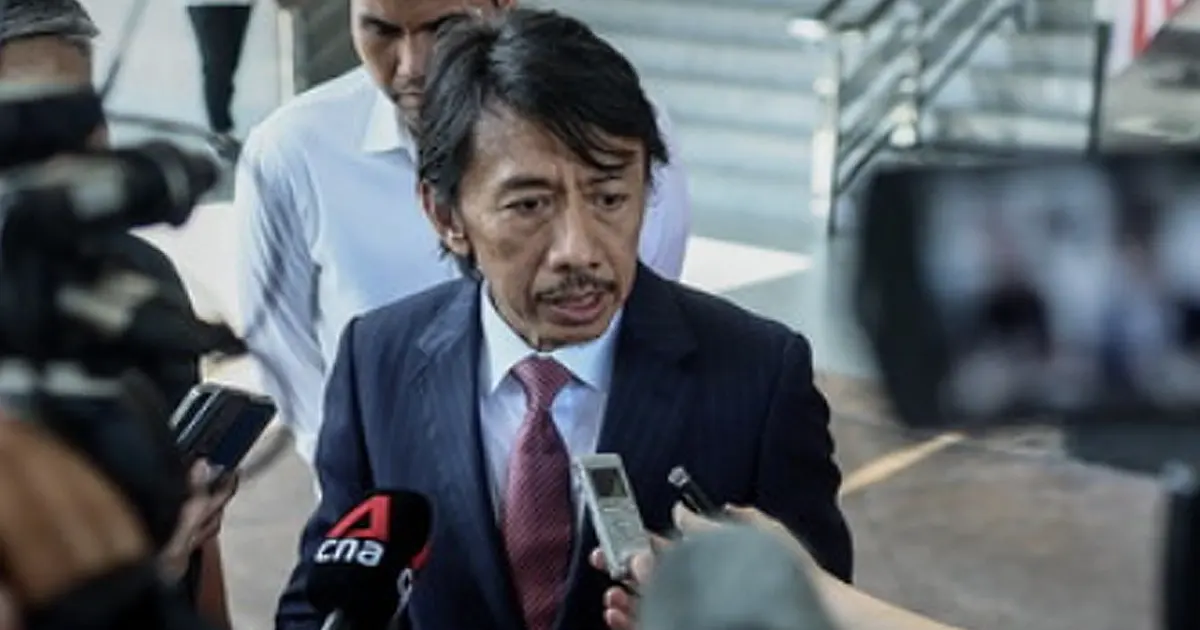
Ismail Sabri Yaakob, who served as Malaysia's prime minister until August 2022, has successfully undergone a surgical procedure to have a pacemaker installed, marking a significant health intervention for the prominent political figure. The device was implanted at the National Heart Institute in Kuala Lumpur during an afternoon procedure, addressing a medical condition affecting the normal functioning of his cardiac rhythm.
Pacemakers are sophisticated electronic devices designed to monitor and regulate heart rate abnormalities. The implantation procedure involves inserting the device—typically smaller than a matchbox—beneath the skin near the collarbone, with leads threaded through veins directly into the heart chambers. This minimally invasive surgery is among the most common cardiac interventions performed in Malaysia's healthcare system, particularly among individuals experiencing arrhythmias that could pose risks if left untreated.
The specific arrhythmia condition affecting Ismail Sabri would have been diagnosed through standard cardiac investigations including electrocardiograms and possibly more advanced monitoring techniques. Such abnormal heart rhythms can range from asymptomatic conditions detected incidentally to symptomatic presentations causing dizziness, fatigue, or shortness of breath. The decision to proceed with pacemaker implantation typically reflects either persistent symptoms or diagnostic findings suggesting risk of more serious complications without intervention.
The National Heart Institute, Malaysia's premier cardiac facility located in Kuala Lumpur, routinely handles complex cardiovascular cases and pacemaker installations. The institute's interventional cardiology teams perform hundreds of such procedures annually, making it the standard choice for high-profile patients requiring advanced cardiac care. The choice of this institution underscores the seriousness with which Ismail Sabri's medical team approached the procedure.
Following the implantation, medical professionals have advised the 65-year-old former leader to prioritize rest and recovery. This guidance aligns with standard post-operative protocols for pacemaker patients, which typically involve initial activity restrictions lasting several weeks to allow proper healing of surgical sites and optimal device integration. Patients generally return to normal activities progressively, with most individuals experiencing minimal lifestyle disruption once fully recovered.
Ismail Sabri's health intervention comes at a notable moment in Malaysian political dynamics. Having led the government through a turbulent pandemic period and the subsequent political realignment, his health status inevitably carries implications for his continued political engagement. The required recuperation period may affect his immediate public activities and parliamentary participation, raising questions about how extensively he intends to remain involved in legislative and party matters during recovery.
The prevalence of cardiac conditions among Malaysia's political and business leadership reflects broader health trends across the Southeast Asian region. Age-related cardiovascular issues, combined with high-stress professional environments, make heart conditions increasingly common among senior figures. This incident may also prompt broader conversations about health transparency among public figures and preventive cardiac screening protocols.
Modern pacemakers are highly reliable and often remain functional for over a decade before requiring battery replacement. Ismail Sabri can expect comprehensive follow-up monitoring through regular clinic visits and remote device checks, which have become increasingly sophisticated. These technologies enable his cardiac team to ensure the pacemaker functions optimally while detecting any potential complications early.
The procedure represents another instance of Malaysian healthcare delivering advanced treatment to prominent citizens, reflecting the quality of services available at specialized institutions. The National Heart Institute's capability to handle such cases demonstrates the country's medical infrastructure, though access to such sophisticated treatment remains stratified based on patients' financial resources and insurance coverage.
As Ismail Sabri recovers from his surgery, his political associates and the broader Malaysian public will likely await his return to public activities. The pacemaker implantation, while medically routine, takes on additional significance given his prominence in recent Malaysian political history. His successful treatment and recovery will doubtless be followed closely by observers monitoring both his personal wellbeing and any implications for political developments.
The installation of the pacemaker concludes one chapter of Ismail Sabri's health management while opening another requiring careful monitoring and lifestyle adjustments. His medical team's emphasis on adequate rest reflects the importance of allowing his body sufficient recovery time before resuming normal activities. This measured approach should enable the former prime minister to return to meaningful engagement once properly healed, though the specific timeline remains dependent on his individual recovery trajectory and medical team's assessments.

