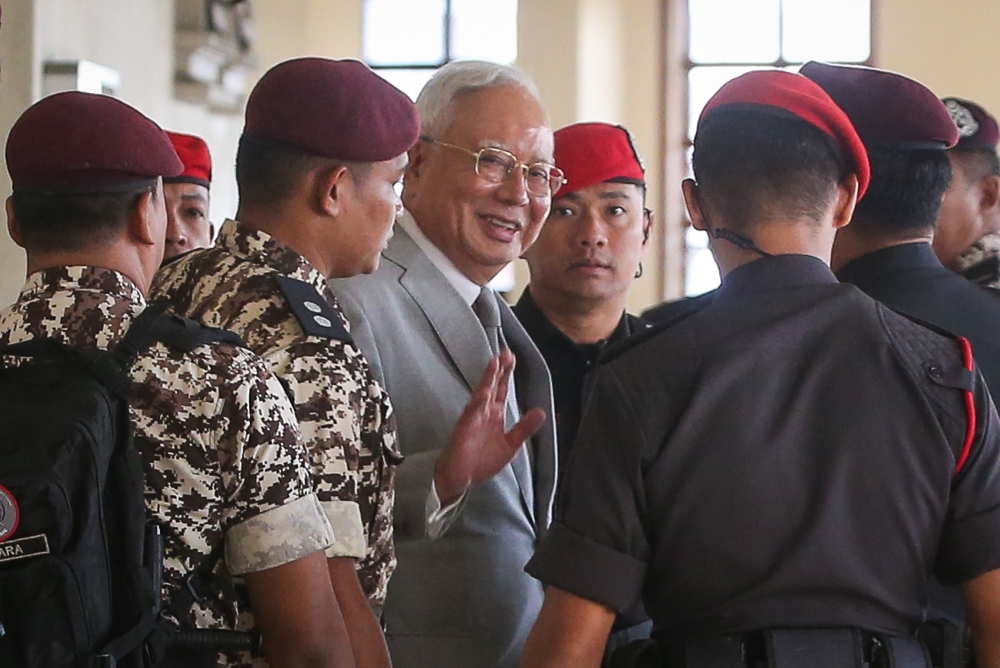
Former Prime Minister Datuk Seri Najib Razak is set to undergo a cardiac procedure at Serdang Hospital in the coming week, according to reports from Kuala Lumpur. The announcement regarding the health intervention comes as the veteran politician continues to manage personal medical concerns whilst navigating ongoing legal and political matters.
Serdang Hospital, located in the Seri Kembangan district of Selangor, is one of Malaysia's leading government medical facilities with established expertise in cardiovascular treatments. The hospital has handled numerous high-profile cases and maintains modern diagnostic and surgical capabilities. The selection of this particular institution underscores the seriousness with which the former premier's medical team is approaching the procedure.
The timing of this medical intervention occurs during a period when Najib remains in the public eye following his conviction and subsequent legal proceedings related to the 1Malaysia Development Berhad scandal. His health situation represents a more personal concern that intersects with questions about his capacity to manage various responsibilities and public appearances. Medical issues affecting prominent political figures often generate public interest, particularly when they hold historical significance in the nation's governance.
Cardiovascular procedures undertaken by individuals in their late sixties or early seventies typically reflect the cumulative effects of age and lifestyle factors. Such interventions are increasingly common among Malaysian politicians and public figures, reflecting broader demographic trends in the country's aging leadership cohort. The procedure scheduled for Najib fits within this context of preventative or therapeutic medical management.
The announcement has potential implications for Najib's ability to participate in ongoing court proceedings and public engagements. Hospital admissions and recovery periods can affect the scheduling of legal hearings and other commitments. His medical situation may therefore influence the trajectory of several ongoing matters affecting the former Prime Minister's daily life and public responsibilities.
From a Malaysian political perspective, health concerns affecting prominent figures inevitably raise questions about succession planning, institutional memory, and the continuity of various initiatives or associations. The United Malays National Organisation, with which Najib maintained significant influence despite stepping down as party president, faces continuing deliberation about generational transitions and leadership representation.
The broader context involves Malaysia's healthcare system's capacity to serve high-profile patients whilst maintaining equitable access for ordinary citizens. Government hospitals like Serdang balance their roles as teaching institutions, public service providers, and medical centres for VIPs. The choice to use a public facility rather than private alternatives may reflect considerations about cost, expertise, or public perception.
International observers of Malaysian politics have noted that health challenges affecting key figures can shift political dynamics. The enforced absence of prominent personalities from public life, even temporarily, creates opportunities for other voices to emerge or for institutional priorities to be reassessed. Najib's recovery period, depending on its duration and his subsequent wellbeing, could influence his involvement in various political and business networks.
The public disclosure of the procedure reflects Malaysia's evolving standards around transparency regarding leaders' health conditions. Unlike previous eras when such matters remained largely private, contemporary practice involves informing the media and public, allowing citizens to track significant developments affecting prominent individuals. This transparency serves both journalistic and civic interests.
As Najib prepares for the forthcoming medical intervention, observers will likely monitor his recovery progress and return to public activities. The success of the procedure and his subsequent recuperation could affect his continued participation in business advisory roles, speaking engagements, and family matters. For Malaysia's political ecosystem, the health status of former leaders remains a consideration in assessing the nation's institutional stability and the availability of experienced voices in governance discussions.
The healthcare component of this situation also highlights Malaysian medicine's capacity to handle complex cases involving prominent citizens. Serdang Hospital's track record and capabilities demonstrate that world-class cardiac care remains accessible within the country's public health infrastructure. This accessibility extends to various socioeconomic levels, though high-profile cases naturally attract greater attention and resources.
Looking forward, the success of Najib's procedure and recovery trajectory will likely be subjects of public interest and media coverage. His return to normalcy following the intervention could influence several aspects of Malaysian political commentary and analysis, particularly regarding the health and vitality of the nation's political leadership across different generations and party affiliations.

