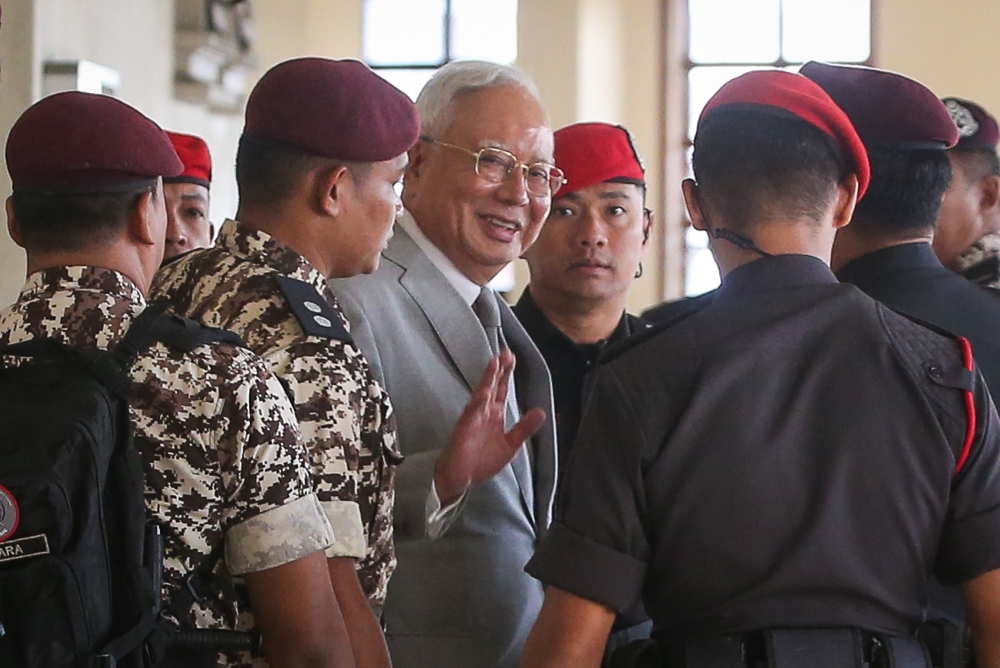
Former prime minister Datuk Seri Najib Razak is set to undergo a heart procedure in the coming weeks, according to a confirmation from his legal team. The announcement, made in Kuala Lumpur on July 17, marks a significant health development for the 71-year-old politician who has remained a prominent if controversial figure in Malaysian public discourse since leaving office in 2018.
Najib's lawyer confirmed the medical appointment without providing extensive details about the specific nature of the cardiac intervention or the anticipated timeline for the procedure. The decision to make the matter public suggests the health situation carries enough gravity to warrant disclosure, particularly given Najib's ongoing involvement in multiple court proceedings. The former premier's medical needs underscore the reality that even those at the highest echelons of political power remain subject to the vulnerabilities of advancing age and health challenges.
The timing of this announcement coincides with continued legal scrutiny surrounding Najib's tenure as prime minister, particularly matters related to the 1Malaysia Development Berhad (1MDB) scandal. The cases against him have dragged through Malaysia's court system for several years, with various charges and convictions being contested at different judicial levels. The heart procedure may necessitate adjustments to his legal calendar and courtroom appearances, potentially affecting the pace at which his remaining cases proceed through the system.
Najib's health development carries broader implications for Malaysian politics and public discourse. His tenure as premier from 2009 to 2018 remains deeply divisive within the country, with supporters and critics maintaining sharply divergent views on his nine-year administration. The 1MDB scandal, which allegedly saw billions of ringgit misappropriated, became a defining issue that ultimately contributed to the coalition government's electoral defeat in 2018. For many Malaysians, the saga represented a watershed moment in national politics that prompted greater public scrutiny of governance and financial accountability.
The legal consequences flowing from the 1MDB affair have dominated Najib's post-premiership existence. Multiple court cases have proceeded against him on charges ranging from corruption to abuse of power. Some verdicts have resulted in convictions, though Najib has consistently maintained his innocence and pursued appeals through higher courts. The legal battles have stretched across years, with various constitutional and procedural questions arising throughout the process. His legal team has worked persistently to challenge findings and seek reversals of unfavourable judgments.
From a Southeast Asian perspective, Najib's situation reflects broader challenges facing the region's political systems regarding accountability and transparency. Malaysia's handling of the 1MDB case has been watched closely by observers in neighbouring countries, as it demonstrates whether regional democracies possess the institutional capacity to pursue accountability against former leaders. The outcome of cases involving prominent political figures often signals to citizens throughout the region what level of legal consequence they might expect for serious allegations of governmental misconduct.
Najib's political rehabilitation efforts over recent years have met with qualified success in certain quarters. While he maintains substantial support among segments of the Malaysian electorate, particularly within his United Malays National Organisation (UMNO) party base, broader public opinion remains divided. His return to prominence within UMNO, which he led before his 2018 electoral defeat, has been a contentious topic within the party and national politics more broadly. Some party members view him as a valuable elder statesman with considerable experience, while others regard his continued influence as damaging to the party's electoral prospects and moral authority.
The heart procedure announcement also touches on questions of personal resilience and political durability. Despite facing serious legal allegations and health challenges, Najib has remained publicly visible and engaged in political commentary. His presence on social media platforms and occasional public appearances have kept him within Malaysian political consciousness, albeit in ways that generate considerable debate and controversy. The forthcoming medical intervention will temporarily reduce his public profile, though legal proceedings will likely continue regardless of his physical condition.
Looking forward, the interaction between Najib's medical needs and his legal obligations remains an open question. Courts and legal processes must accommodate genuine health emergencies while maintaining the integrity and momentum of judicial proceedings. The former premier's lawyer will presumably seek any necessary accommodations from the courts to allow adequate time for his medical treatment and recovery. Simultaneously, victims and proponents of accountability surrounding the 1MDB scandal will be watching to ensure that legitimate medical needs do not become a mechanism to indefinitely delay justice or accountability processes.
The announcement serves as a reminder that contemporary Malaysian politics encompasses not only policy debates and electoral competition, but also the personal circumstances, health challenges, and mortality that affect individuals regardless of their previous stations. For a nation still grappling with the implications of the 1MDB scandal and questions about governance standards, Najib's ongoing legal battles and personal health matters remain intertwined with broader conversations about accountability, institutional integrity, and the kind of political system Malaysia aspires to be moving forward.

