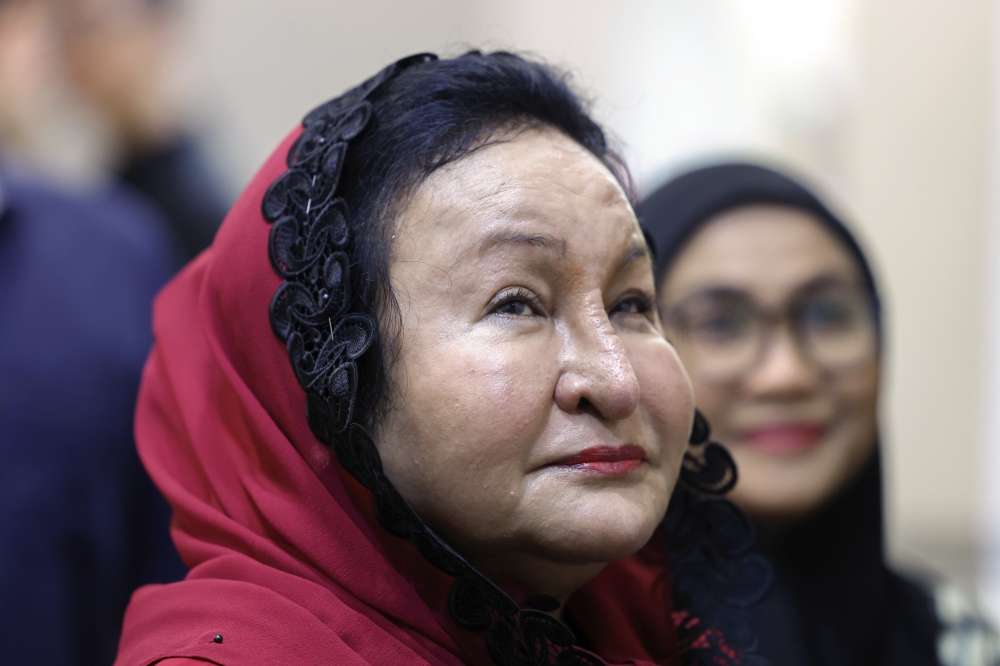
Former Prime Minister Datuk Seri Najib Razak is scheduled to undergo a corrective medical procedure targeting arterial plaque accumulation near a blood vessel, his wife Datin Seri Rosmah Mansor disclosed recently. The intervention comes as part of ongoing health management for the 71-year-old former leader, who continues to navigate legal complexities surrounding his tenure as Malaysia's sixth prime minister.
Rosmah made the announcement through a public statement, indicating that the procedure had been planned following medical consultations. The specific timing and location of the intervention were not immediately elaborated, though such vascular interventions are typically performed in specialist cardiac or interventional radiology facilities. Plaque accumulation in arteries represents a significant cardiovascular risk factor, particularly among individuals in their seventh decade of life, necessitating preventive medical action to reduce stroke and heart attack risks.
The disclosure regarding Najib's health comes during a period when the former premier has remained relatively active in public discourse despite facing considerable legal scrutiny. His court proceedings related to allegations of financial impropriety have dominated Malaysian political narrative for several years, yet he has continued to maintain a public presence and engage with political commentary through various platforms and public appearances.
Najib's health situation reflects broader healthcare concerns affecting Malaysia's aging political elite. The nation's medical infrastructure has increasingly been called upon to manage age-related cardiovascular conditions among senior political figures, underscoring the importance of preventive healthcare and specialist intervention availability within the Malaysian healthcare system. Such vascular procedures have become relatively routine in modern medicine, with high success rates when performed by experienced interventional specialists.
The announcement also highlights the continuing personal circumstances surrounding Najib and Rosmah during what remains a challenging period for the household. Rosmah herself has faced legal proceedings, and the family's public profile has shifted considerably from their previous position during Najib's decade-long tenure as prime minister from 2009 to 2018. The disclosure of health matters appears to be an attempt at presenting a more humanized perspective amid ongoing controversies.
Vascular procedures to address arterial blockages typically involve either angioplasty, where a balloon is used to widen constricted arteries, or the insertion of stents to maintain proper blood flow. Such interventions are performed on thousands of Malaysians annually and carry relatively low complication rates in contemporary medical practice. The decision to undergo such a procedure suggests medical professionals have determined that Najib faces sufficient cardiovascular risk to warrant preventive intervention.
For Malaysian readers following political developments, Najib's health announcement carries broader implications regarding succession planning and the future trajectory of political movements aligned with his faction. His continued involvement in political discourse, contingent upon maintaining reasonable health, has made him a figure of ongoing influence within certain political circles despite his legal travails. Any significant health disruption could reshape dynamics within the political coalition he represents.
Rosmah's role in publicly disclosing her husband's medical situation reflects evolving communication strategies employed by the former premier's household. Rather than maintaining complete privacy regarding health matters, as was traditionally preferred by Malaysian political elites, the decision to make a public announcement suggests a calculated approach to controlling narrative around the family's current circumstances and maintaining public engagement.
The timing of such disclosures often carries political significance in Malaysian contexts, where health announcements by prominent figures can influence public perception and media attention cycles. By proactively announcing the procedure through Rosmah, the household appears to be establishing narrative control before potential media inquiries or speculation might emerge following the actual medical intervention.
For the Malaysian healthcare system, Najib's case exemplifies the growing demand for advanced interventional cardiovascular procedures among aging demographics. The availability of such specialized services within Malaysia has improved substantially, reducing the necessity for prominent individuals to seek treatment abroad—a departure from patterns observed in earlier decades when Malaysian elites frequently traveled internationally for specialized medical care.
Looking forward, successful completion of the vascular procedure would likely allow Najib to maintain his current level of public engagement and political involvement. However, any complications or subsequent health developments could significantly impact his ability to participate in ongoing legal proceedings and political activities. The former premier's health trajectory remains a factor worth monitoring, particularly given his continued relevance to Malaysian political discourse despite his departure from office.

