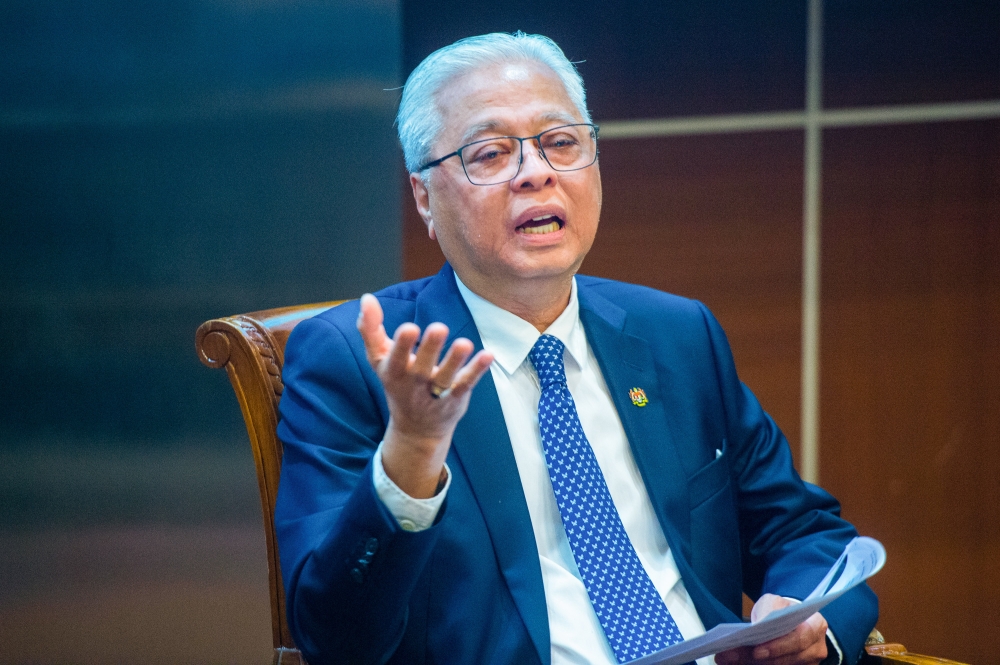
Datuk Seri Ismail Sabri Yaakob, who led Malaysia as Prime Minister until his resignation in August 2022, has successfully undergone pacemaker implantation at Institut Jantung Negara (IJN) and is reported to be in stable condition following the procedure. The cardiac intervention was completed without complications, marking an important step in managing the former leader's heart health following his medical diagnosis.
The implantation of a pacemaker—a small electronic device designed to regulate abnormal heartbeats—represents a common and increasingly routine intervention in modern cardiology. For patients experiencing arrhythmias or other electrical conduction problems in the heart, such devices can significantly improve quality of life and reduce the risk of serious cardiac events. The procedure typically involves creating a small incision near the collarbone, where the device is positioned beneath the skin with leads extending to the heart muscle.
Ismail Sabri's medical situation highlights broader health challenges facing Malaysia's political establishment. The 64-year-old former premier has maintained a substantial public profile since leaving office, continuing to serve as Member of Parliament for Bera and remaining active within the United Malays National Organisation (UMNO) party structure. His cardiac condition, while requiring intervention, is manageable through modern medical technology now readily available at Malaysia's leading heart centres.
Institut Jantung Negara, where the procedure took place, stands as one of Southeast Asia's foremost cardiac facilities and serves as the regional hub for advanced heart treatment. The national heart institute has built considerable expertise in implanting pacemakers and other sophisticated cardiac devices, drawing patients from across the region. The choice of IJN underscores the confidence Malaysian political figures place in domestic medical institutions when facing serious health matters.
The pacemaker implantation follows what would typically be an extended period of diagnostic testing and clinical assessment. Patients receiving such devices generally undergo electrocardiograms, echocardiograms, and possibly electrophysiological studies to determine the precise nature of their cardiac rhythm disturbance. These investigations help cardiologists establish whether a pacemaker represents the most appropriate therapeutic approach and guide the programming parameters once the device is in place.
Recovery from pacemaker implantation generally progresses smoothly for most patients, with hospital stays lasting between one and three days in uncomplicated cases. Patients are typically advised to restrict certain arm movements during the initial healing period to allow the incision site to close properly and to prevent the leads from shifting. Within weeks, most individuals return to normal activities, though strenuous exercise may be restricted initially. Regular follow-up appointments allow cardiologists to monitor device function and make adjustments to settings as needed.
Ismail Sabri's health challenge comes as Malaysian society grapples with rising prevalence of cardiovascular disease, reflecting regional trends across Southeast Asia. Demographic shifts, urbanisation, and evolving lifestyle patterns have contributed to increased rates of heart disease and related conditions affecting the adult population. The prominence of such cases in public figures can inadvertently raise awareness about cardiac health screening and the importance of managing risk factors including hypertension, diabetes, and elevated cholesterol.
Politically, the succession of health issues among senior Malaysian figures underscores demographic transitions within the country's leadership cohort. Many individuals who shaped Malaysia's political landscape during the post-independence era are now navigating the health realities of advancing age. Ismail Sabri's situation, while managed successfully through modern medicine, nonetheless illustrates the inevitable physical challenges that accompany longer lifespans and extended careers in public service.
The former Prime Minister's prompt treatment demonstrates accessibility to world-class medical care within Malaysia's healthcare system. His ability to receive cutting-edge cardiac intervention at a national centre reflects investments made in developing domestic expertise and infrastructure. For Malaysians of all backgrounds facing similar cardiac conditions, the availability of such facilities within the country reduces the need for costly overseas medical travel and contributes to positive health outcomes.
As Ismail Sabri enters the recovery phase following his successful procedure, his medical team will monitor his progress closely through scheduled clinic visits and device interrogations. The pacemaker will be programmed specifically to match his cardiac physiology and therapeutic requirements. Long-term, such devices typically function reliably for seven to ten years or longer, depending on usage patterns and individual patient factors, requiring only periodic battery replacements throughout the patient's lifetime.
The successful completion of this procedure reflects both the patient's positive health trajectory and the capabilities of Malaysia's cardiac medicine sector. Ismail Sabri's stable recovery demonstrates that serious cardiac conditions can be effectively managed through timely intervention and access to specialised care. As the former premier continues his convalescence, his political colleagues and supporters will undoubtedly wish him a full and uncomplicated return to normal functioning.

