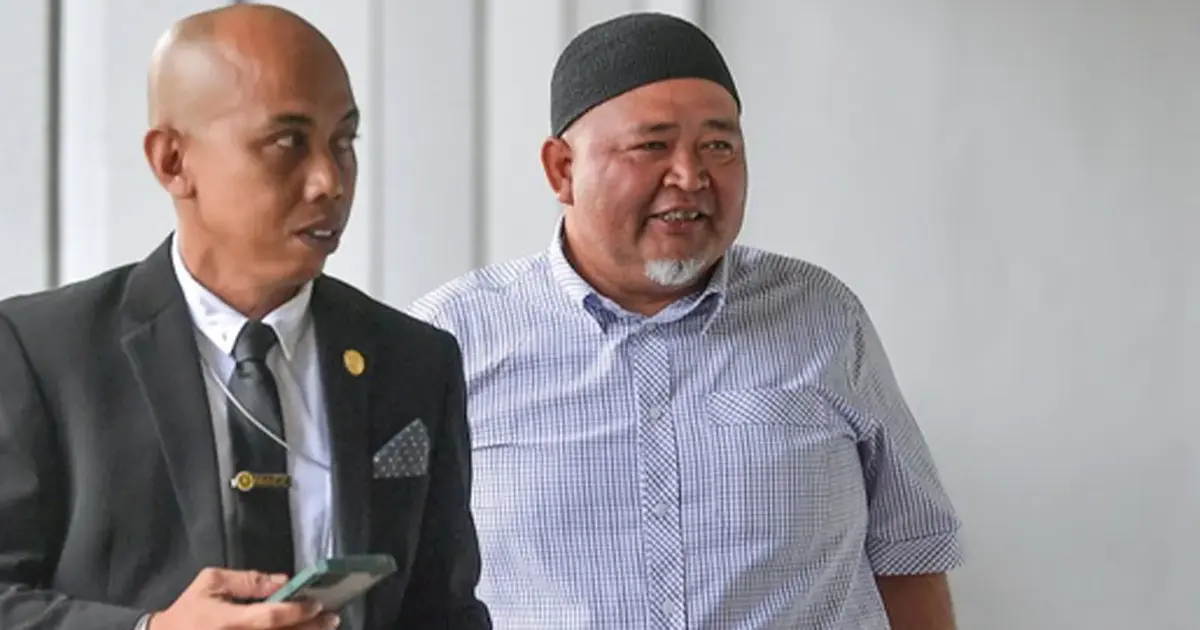
A former aide to the Kedah Chief Minister has been ordered to defend himself against bribery allegations stemming from rare earth element operations, after a sessions court judge determined prosecutors had built a credible case. Kuala Lumpur sessions court judge Suzana Hussin delivered the ruling, finding that the prosecution had successfully demonstrated a prima facie case against Hilmi Abdul Wahab, necessitating his response to the charges rather than a dismissal at this stage of proceedings.
The decision represents a significant development in what has become a rare prosecution touching on rare earth elements—a critical mineral category increasingly vital to Malaysia's strategic economic interests and technological ambitions. The specific allegations centre on alleged improper payments connected to rare earth operations, though the precise nature of the alleged transactional details and affected commercial entities remain subject to court confidentiality protocols. The advancement of this case through the preliminary stage signals judicial confidence that the Crown's evidence meets the threshold required for trial continuation.
Rare earth elements, comprising the 17 lanthanide metals and two additional elements with similar chemical properties, have assumed unprecedented importance in global supply chains. Malaysia possesses significant reserves and processing capabilities, positioning the nation as a player in what some analysts view as a new frontier for geopolitical and economic competition. Any suggestion of corruption within Malaysia's rare earth sector carries implications beyond the immediate parties involved, potentially affecting investor confidence in the regulatory environment governing these strategically important resources. The case thus acquires broader economic dimensions beyond the conventional corruption narrative.
The judicial finding that a prima facie case exists means the evidence presented by prosecutors, if accepted as credible, would support conviction on the charges. This threshold does not require the judge to believe the prosecution's case conclusively, but merely that sufficient evidence exists such that a reasonable jury could find guilt. For the accused, the ruling transforms the nature of proceedings from a stage where dismissal remained possible into a phase demanding active defence presentation. Hilmi Abdul Wahab will now face the prospect of calling witnesses and presenting evidence to counter the allegations.
The involvement of a former chief minister's staff member in such proceedings inevitably invites scrutiny regarding governance standards within state administration. State-level politics in Malaysia has periodically intersected with corruption investigations, though cases advancing to the trial stage involving figures close to executive leadership remain relatively uncommon. The Kedah context matters, as the state has experienced shifting political dynamics and leadership transitions that have occasionally drawn public attention to administrative probity concerns.
Court proceedings of this nature typically unfold over extended periods, with the defence phase potentially consuming months as legal arguments are presented, witnesses are examined and cross-examined, and documentary evidence is litigated. Malaysian courts have demonstrated increasing rigour in applying international standards for corruption prosecutions, reflecting both external pressure and domestic expectations for accountability. The precedent-setting potential of this case extends to establishing how Malaysian jurisprudence addresses corruption allegations within state administration touching on strategically important economic sectors.
The prosecution's success in clearing the prima facie threshold suggests their evidence compilation was sufficiently thorough and legally sound to overcome defence applications for dismissal. Malaysian prosecutors have improved their track record in corruption cases over the past decade, supported by institutional reforms and enhanced coordination between law enforcement agencies. The advancement of this case reflects that institutional capacity, though prosecution success at trial remains uncertain and contested vigorously.
For observers monitoring Malaysia's governance environment, cases of this character serve as indicators regarding the state's commitment to investigating and prosecuting corruption within state-level government structures. The rare earth sector context adds another dimension, given that decisions affecting these operations carry economic consequences for Malaysia's positioning in global supply chains and technological development pathways. Sector participants and potential investors monitor such cases as evidence of regulatory reliability and rule-of-law commitment.
As the defence phase proceeds, Malaysian legal observers will assess how courts navigate the intersection of administrative accountability and due process protections. The case illustrates that corruption allegations can emerge from complex governance arrangements surrounding economically significant sectors, requiring courts to examine both substantive wrongdoing and procedural propriety. The trial phase will determine whether evidence presented during preliminary proceedings translates into successful prosecution, a question that remains entirely open despite the prima facie finding.

