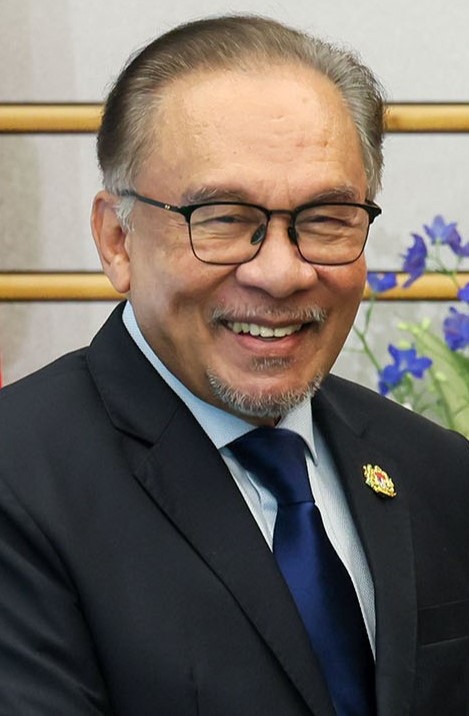
The Johor Barisan Nasional coalition leadership has confirmed that chairman Onn Hafiz Ghazi will defend his Machap seat in the upcoming state elections, marking a significant moment in the political trajectory of the former health minister who recently returned to UMNO's fold after a period away from the party.
Onn Hafiz Ghazi's decision to contest represents a consolidation of his position within Johor's political establishment at a time when the coalition is preparing for renewed electoral competition. His role as chairman of the state BN committee underscores his importance to the coalition's organisational structure in Malaysia's third-largest state by population, where control of the state assembly remains a strategic prize for both federal and state-level power dynamics.
The former health minister's political career has undergone notable shifts in recent years. His return to UMNO after a period of political distance reflects the fluid nature of Malaysian party politics, where senior figures often navigate complex transitions between affiliation and disaffiliation. Such movements frequently respond to changing internal party dynamics, factional alignments, and assessments of political viability within evolving coalitional arrangements.
Machap, located within Johor's established political landscape, has been a seat of historical significance within the state assembly. The constituency dynamics and demographic composition will play crucial roles in determining the competitiveness of the electoral contest. Onn Hafiz Ghazi's incumbency provides organisational advantages, though electoral outcomes in Malaysia remain influenced by broader national political currents that filter down to state and constituency levels.
The timing of the election announcement carries implications for the BN coalition's preparations across Johor. The involvement of high-profile figures like the state chairman in frontline contests signals a strategy of deploying experienced political operatives in seats considered important to overall coalition performance. Such decisions typically reflect internal assessments of vulnerability or opportunity within the electoral map.
Johor's political complexion has undergone transformations in recent election cycles, with the state serving as a barometer for broader trends affecting UMNO's electoral performance. The state's large assemblies and diverse demographic composition mean that results there often reverberate across national politics, influencing perceptions of coalition strength and opposition effectiveness. Onn Hafiz Ghazi's candidacy thus carries significance extending beyond the immediate Machap contest.
The Barisan Nasional framework in Johor encompasses UMNO's traditional dominance alongside component parties such as the Malaysian Chinese Association and other affiliated organisations. The coalition's preparations for state elections typically involve careful negotiation over seat allocations and candidate selections, reflecting internal power balances and strategic calculations about which constituencies offer the strongest prospects for victory.
Onn Hafiz Ghazi's background in health ministry responsibilities provides a potential platform for discussing his administrative record and policy achievements during his tenure. Malaysian voters in state elections increasingly focus on development records, service delivery, and local constituency performance as primary evaluation criteria, beyond national political narratives. His capacity to articulate constituency-level accomplishments may influence electoral positioning in Machap.
The broader UMNO political context has experienced considerable movement in recent years, with party dynamics reflecting factional competitions and strategic repositioning in response to electoral outcomes and coalition arrangements. The former health minister's re-engagement with the party machinery through his state chairmanship role suggests acceptance by current party leadership and an alignment of political interests that has resolved previous tensions or differences.
For regional observers of Malaysian politics, the Johor electoral contest represents a test of BN's ability to maintain or recover ground in a state that remains politically significant. Onn Hafiz Ghazi's participation in frontline electoral competition reflects confidence within the coalition that experienced political operators can mobilise voter support through a combination of incumbent advantages, organisational networks, and policy records. The Machap contest will therefore merit close observation as an indicator of broader coalition performance trajectories within the state.
The involvement of senior political figures like state BN chairmen in electoral contests remains a common feature of Malaysian politics, though success cannot be presumed from position alone. Electoral outcomes depend on multiple variables including local constituency issues, candidate appeal, opposition campaign effectiveness, and macroeconomic conditions affecting voter sentiment. Onn Hafiz Ghazi's campaign will unfold within this complex environment of competing influences shaping the Johor political landscape.