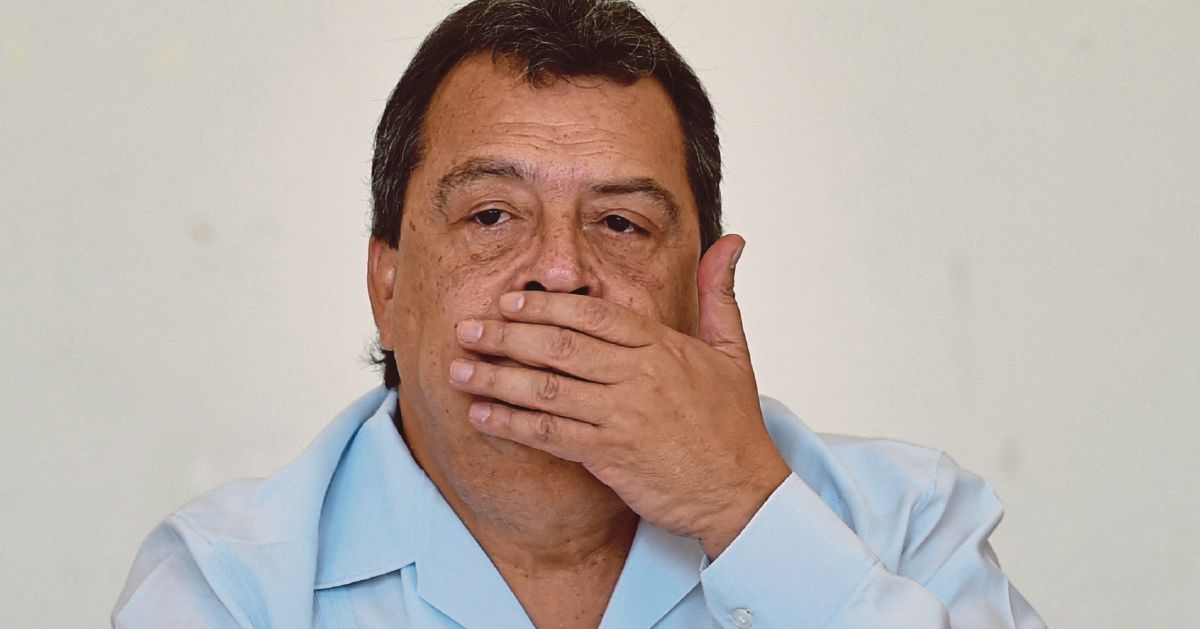
Authorities in Mexico announced Thursday that the former governor of southern Guerrero state has been detained on suspicion of deliberately destroying evidence that could have illuminated the fate of 43 students who disappeared a decade ago. The alleged obstruction of justice represents a significant development in one of Mexico's most emblematic cases of institutional failure and missing persons.
The 2014 disappearance of the 43 education students from Ayotzinapa has haunted Mexico's conscience throughout the past ten years. The young men vanished in the state capital, sparking national outrage and international scrutiny over the government's investigative capacity and commitment to accountability. The incident exposed connections between local law enforcement, organised crime networks, and apparent governmental negligence at multiple levels, revealing structural vulnerabilities in Mexico's security apparatus.
The arrest of the former state chief executive underscores the complexity and lingering tensions surrounding the case. Investigations have implicated various officials at different administrative tiers, suggesting that the original incident may have involved coordination—or at minimum tacit knowledge—among state institutions. The evidence destruction allegations indicate that obstacles to truth-seeking did not cease following the initial disappearance but continued through deliberate concealment efforts.
For Malaysian and Southeast Asian observers, the Ayotzinapa case carries particular resonance. The incident mirrors concerns about government accountability and institutional integrity that resonate across the region. Like several Southeast Asian nations grappling with enforced disappearances and credibility deficits in public institutions, Mexico's experience demonstrates how initial investigative failures compound into protracted crises that undermine public confidence in state mechanisms. The delayed pursuit of culpability—nearly a decade later—reflects patterns seen elsewhere where institutional inertia and political considerations complicate justice processes.
The destruction of evidence represents a distinct criminal offense beyond the original disappearances themselves. By allegedly ordering the removal or destruction of investigative materials, the former governor would have compounded the original crime with deliberate obstruction. This aggravation has become a focal point for authorities seeking to establish clear chains of responsibility and intent, particularly as direct evidence about the students' ultimate fate has remained fragmentary and contested.
Mexico's judicial system has faced criticism for inefficiency and susceptibility to political pressure, challenges familiar to observers across developing democracies. The Ayotzinapa investigation has consumed considerable investigative resources over ten years, yet remains incomplete. Multiple investigative commissions, differing hypotheses, and conflicting accounts have produced public confusion rather than definitive answers. The arrest of a former high-ranking official signals a new phase in accountability efforts, though sceptics note that bureaucratic reshuffles and symbolic prosecutions sometimes substitute for comprehensive institutional reform.
The timing of the arrest also merits consideration within Mexico's broader political context. Authorities announced the detention as national conversations about security, justice, and human rights occupy increased prominence in public discourse. Whether this action represents sustained institutional commitment to the case or reflects opportunistic political manoeuvring remains unclear—a distinction that matters significantly for establishing durable accountability mechanisms.
For families of the missing students and broader civil society organisations, the arrest offers some vindication but cannot substitute for clarity regarding the students' whereabouts. The destruction of evidence potentially represents the loss of information that could have provided definitive answers about what occurred. This element of the case illustrates how obstruction extends beyond legal technicalities; it directly damages the possibility of healing and closure for affected communities.
Comparative experience suggests that isolated prosecutions without comprehensive institutional reform rarely resolve missing persons crises. Southeast Asian contexts involving disappearances—from Cambodia's transitional justice efforts to ongoing concerns in various countries—demonstrate that prosecuting individual officials achieves limited deterrent effect if the systems enabling such abuses remain unchanged. Mexico faces comparable structural challenges requiring coordination among law enforcement agencies, judiciary oversight, and political will to subordinate institutional interests to accountability objectives.
The investigation into evidence destruction will likely reveal details about institutional knowledge and decision-making processes surrounding the original disappearances. Such revelations could clarify whether the alleged obstruction reflected panic responses by individual officials or represented calculated policy by state leadership. This distinction carries implications for understanding Guerrero state's governance during that period and potential systemic vulnerabilities.
Moving forward, the case will test Mexico's commitment to sustained accountability beyond initial arrests. International attention, particularly from human rights organisations monitoring disappearance cases globally, will track whether prosecutions lead to convictions and whether judgements establish meaningful consequences for official misconduct. The outcomes could signal whether Mexico's institutions have developed capacity for persistent investigation and prosecution despite political cycles and resource constraints.
The arrest represents a moment in Mexico's prolonged reckoning with the Ayotzinapa case, but the underlying challenges—improving institutional integrity, ensuring investigative competence, and delivering justice—extend well beyond any individual prosecution. These systemic questions resonate throughout Latin America and indeed across developing democracies worldwide, including those in Southeast Asia confronting similar institutional integrity challenges.

