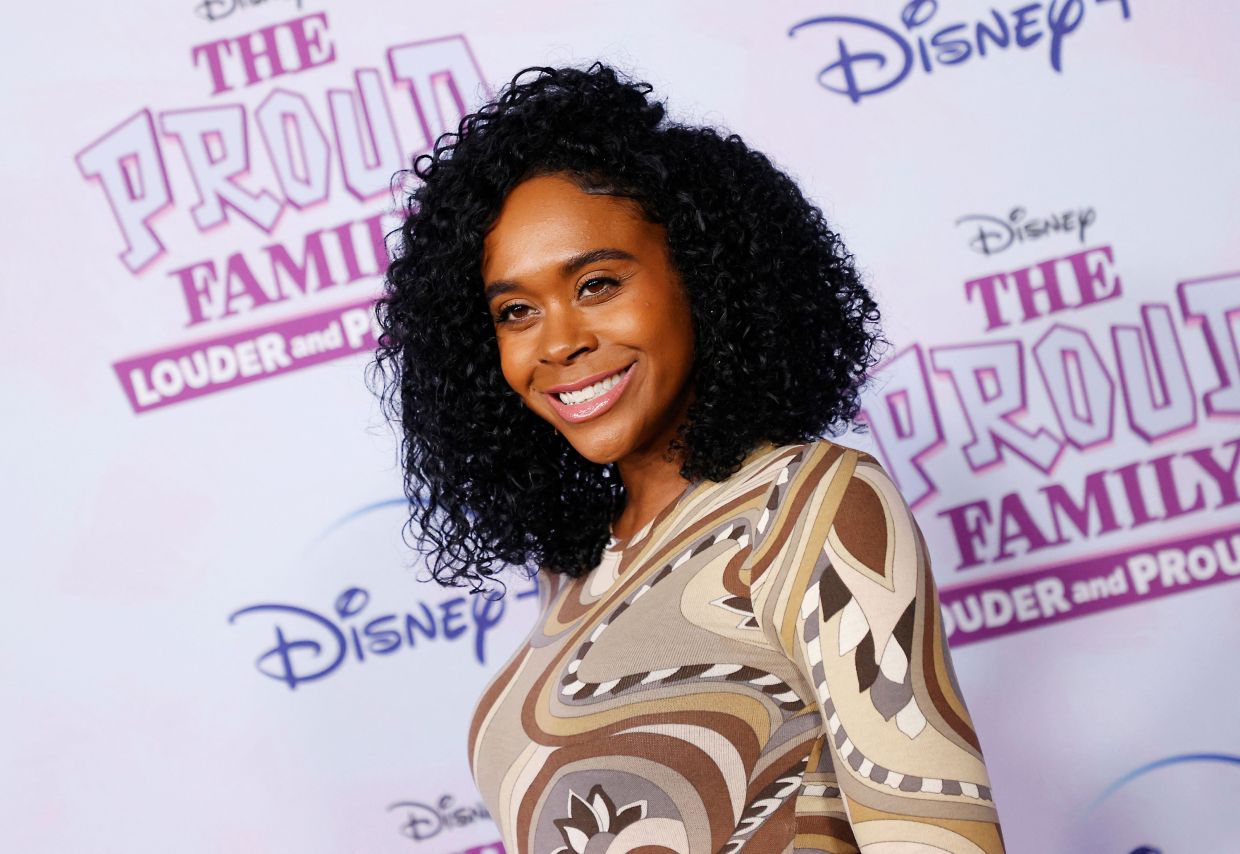
A former child actor has filed a lawsuit against Walt Disney Co. in Los Angeles Superior Court, alleging that she endured weeks of sexual abuse at the hands of a middle-aged Disney employee when she was just fourteen years old. Raquel Lee Bolleau claims the unnamed employee, referred to as John Doe in court documents, supplied her with alcohol, pressured her to consume it, and repeatedly raped and assaulted her during the filming of a Disney production. The defendant allegedly told her, "You're old enough. You can handle it," despite the significant age disparity between them. The lawsuit represents another serious allegation of institutional failure at one of the world's largest entertainment corporations, and raises troubling questions about workplace safety protocols for child performers in the industry.
According to the complaint, the abuse was not hidden from those on set. Multiple adults working on the Disney production witnessed the misconduct, which the lawsuit describes as creating an environment that was fundamentally unsafe for children. On location in Utah, John Doe allegedly invited Bolleau and her guardian to his hotel room where he provided them with alcohol. After Bolleau became intoxicated and temporarily left the room, the lawsuit claims he invited her back and raped her. Back on set, the complaint alleges he engaged in systematic harassment, regularly fondling her, rubbing his genitals against her, and making sexually explicit comments about her body. Remarkably, the lawsuit states that even though these acts of harassment occurred in full view of cast and crew, with some behaviour being heard by sound technicians managing the cast's microphones, no one at Disney intervened to stop the conduct or protect the young performer.
The psychological and physical toll on Bolleau became increasingly evident as filming progressed. The lawsuit documents how her behaviour on set changed dramatically, with her becoming exhausted, frequently intoxicated, hungover, or vomiting. Her professional performance deteriorated noticeably as she struggled to concentrate and often forgot her lines—a stark departure from her previous work. Rather than addressing the underlying cause of her distress, the complaint alleges that Disney executives responded by attacking, blaming, and threatening Bolleau and her mother. They expressed extreme displeasure with her performance without investigating why her condition had deteriorated so severely. The studio's response effectively penalised the victim rather than protecting her, a pattern that Bolleau's legal team views as symptomatic of deeper institutional problems within the entertainment giant.
The alleged abuse extended beyond the film set itself. On the flight home to Los Angeles after filming wrapped, John Doe demanded that Bolleau be seated next to him in first class while her guardian remained in economy class. During this flight, the lawsuit claims he sexually assaulted her again by reaching under her pants. This final assault left Bolleau devastated and suffering from both immediate physical and severe psychological trauma. She abandoned her childhood dream of becoming an actress and has spent the past 25 years grappling with what the lawsuit describes as severe trauma, pain, and emotional distress stemming directly from the abuse and Disney's failure to protect her.
Bolleau's legal team, comprised of former government prosecutors Douglas Wigdor and Jane Kim, situates her allegations within a broader pattern of institutional and systemic failures at Disney. The lawsuit argues that the company's role in concealing and facilitating abuse extends well beyond this single incident. The complaint references Disney's alleged connection to disgraced producer Harvey Weinstein, claiming that the company "permitted, facilitated and actively concealed" sexual misconduct by the Hollywood executive. Weinstein was convicted of rape in Los Angeles in 2022 and is currently incarcerated at Rikers Island awaiting sentencing. His 2020 New York conviction and 23-year sentence for other assaults was subsequently overturned, with subsequent retrials resulting in deadlocked juries regarding additional accusers.
The lawsuit further documents Disney's troubling history regarding known predators within its own operations. In 1997, Disney received complaints about Brian Peck, an acting and dialogue coach on a Disney+ series, allegedly grooming boys for sexual abuse. Most disturbingly, after Peck was released from prison, Disney rehired him in 2005 to work on a children's television programme, despite his conviction as a dangerous pedophile and registered sex offender. This documented history of rehiring a known child predator demonstrates what Bolleau's attorneys characterise as a systemic failure to prioritise child safety, even when the corporation had explicit knowledge of the risks posed by particular individuals.
The allegations raise significant questions about the adequacy of child labour protections and safeguarding mechanisms within the entertainment industry. Disney operates with enormous influence over child performers' careers, particularly those under contract to the studio. The power imbalance—where studio executives can affect future employment opportunities—may have discouraged both Bolleau and other potential witnesses from reporting the abuse at the time. The lawsuit specifically accuses Disney of violating child labour laws by failing to protect Bolleau from repeated sexual assault and harassment. These legal violations underscore that the corporation's conduct may have breached not only basic moral and ethical standards but also specific statutory obligations designed to shield vulnerable young workers.
For Malaysian and Southeast Asian audiences, this case carries particular relevance given the region's growing entertainment industry and the increasing involvement of young performers in regional film and television productions. The allegations demonstrate how institutional failures to protect children can persist even within major corporations with substantial resources for establishing safety protocols. The case serves as a cautionary tale about the necessity of robust, independently monitored safeguarding frameworks in entertainment workplaces across the region. Many Southeast Asian productions may lack the formalised child protection measures that, while evidently insufficient at Disney, at least exist in some form in established studios.
The lawsuit also illuminates how power dynamics and career considerations can silence victims and witnesses. In entertainment industries throughout Southeast Asia, where opportunities for young performers may be limited and competition fierce, the pressure to maintain professional relationships and avoid jeopardising future work could similarly discourage reporting of misconduct. Bolleau's case demonstrates that even when abuse is obvious to multiple people on set—as the lawsuit claims occurred here—institutional pressures and hierarchies can prevent intervention. This structural vulnerability affects child performers globally, regardless of whether they work for major international studios or regional production companies.
Bolleau's attorneys have issued a clear message to the entertainment industry: the conduct described in the lawsuit is inexcusable, and those involved directly or indirectly must face accountability. This stance reflects a broader shift in how the entertainment sector is being scrutinised following years of revelations about sexual misconduct. The case represents one of many lawsuits filed by former child actors against major studios and producers in recent years, as survivors increasingly feel empowered to come forward about historical abuse. Disney declined to comment immediately on the allegations, but the company faces a legal process that will likely expose additional details about its operations, decision-making, and institutional culture regarding child safety.
The broader implications of this lawsuit extend to how entertainment companies across the globe—including those operating in Malaysia and throughout Southeast Asia—establish and enforce child protection policies. Effective safeguarding requires not merely the existence of rules but their consistent enforcement, with consequences for violations. It demands creating reporting mechanisms that do not depend on the goodwill of managers who may themselves be implicated in misconduct. Most critically, it requires prioritising the safety and wellbeing of young performers above career considerations, reputation management, and short-term production schedules. As the entertainment industry becomes increasingly global, with productions filmed across multiple countries and involving international crews and talent, the standards established by major studios like Disney effectively set expectations for the entire sector. This case may ultimately influence how child protection is approached in film and television production throughout the region.

