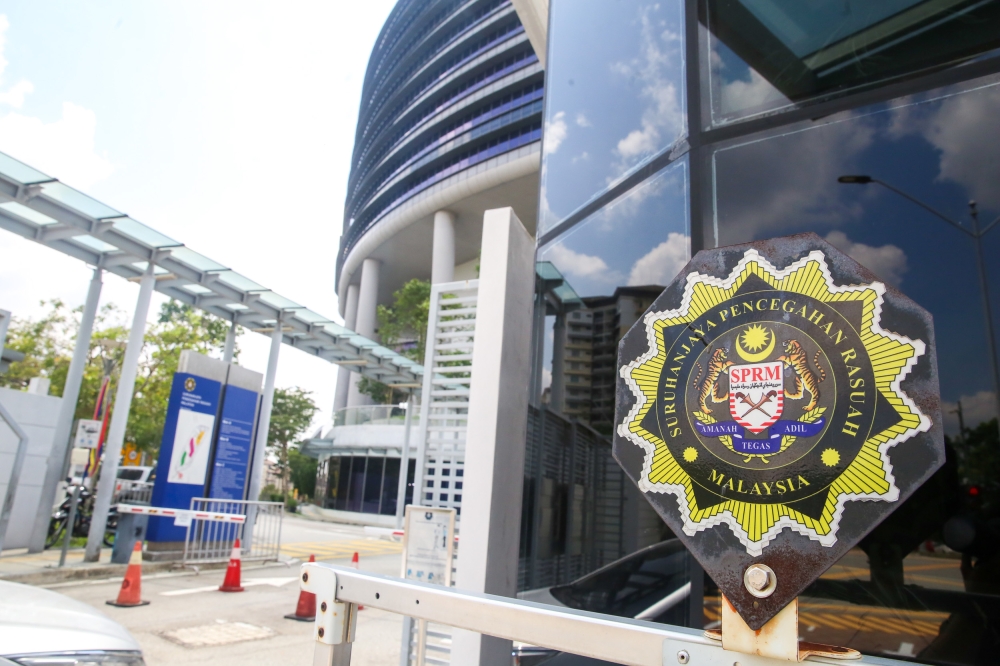
The Kuala Lumpur branch of the Malaysian Anti-Corruption Commission has remanded a former civil servant for four days following allegations that he orchestrated a scheme to obtain RM300,000 in social assistance through identity fraud. The suspect, whose background in government administration may have provided access to sensitive personal data, allegedly exploited the identities of 11 individuals to lodge false welfare claims, highlighting a troubling vulnerability in how aid disbursement systems authenticate beneficiaries.
While the investigation remains ongoing, the case underscores persistent weaknesses in Malaysia's social protection infrastructure. Government welfare programmes have become increasingly sophisticated in recent years, yet the incident suggests that verification mechanisms remain susceptible to manipulation by individuals with inside knowledge of bureaucratic processes. The fact that a former government employee could execute such a scheme points to insufficient controls around data access and payment authorisation within relevant agencies.
Identity-based fraud targeting government aid has emerged as a growing concern across Southeast Asia, where rapid digitalisation of welfare systems has sometimes outpaced the security frameworks protecting them. In Malaysia's context, where various assistance schemes—from emergency relief to disability allowances—operate through multiple channels and agencies, the potential for exploitation multiplies considerably. The breadth of this particular suspect's alleged fraud, spanning 11 different identities, suggests a systematic approach rather than opportunistic misconduct.
The use of false identities to claim welfare reflects a dual harm: beyond the immediate financial loss to government coffers, such fraud diverts genuinely needed assistance away from legitimate beneficiaries. During periods of economic uncertainty or following natural disasters, when welfare schemes expand to assist more Malaysians, the pressure on verification systems intensifies. A single perpetrator fraudulently claiming funds across multiple identities effectively multiplies their criminal impact, as each false claim represents a genuine beneficiary left unpaid.
The MACC's involvement signals that authorities are treating this as a corruption matter rather than a simple criminal fraud case—an important distinction that reflects how comprehensively such schemes undermine public trust in institutions. Former government employees occupy a particularly sensitive position; their understanding of how systems operate, combined with residual access to databases or networks, enables them to circumvent safeguards that might stop ordinary members of the public. This makes cases involving ex-civil servants especially damaging to public confidence.
Investigators will likely examine whether the suspect acted alone or in coordination with others still employed within relevant agencies. The complexity of executing such a scheme—creating fraudulent applications, navigating different systems, and ensuring payments were routed to accessible accounts—suggests the possibility of accomplices. Any discovery of active civil servants facilitating such fraud would represent an even more serious institutional breach and could trigger wider reviews of aid administration protocols.
The timing of the detention raises questions about how the scheme was initially detected. Financial audits, beneficiary complaints, or suspicions raised by banking institutions may have alerted authorities. Understanding detection pathways becomes crucial for agencies seeking to strengthen their oversight mechanisms. If the fraud went undetected for an extended period despite involving substantial sums, it would indicate gaps in routine reconciliation processes between welfare databases and payment records.
For Malaysian policymakers and administrators managing social programmes, this case provides a cautionary lesson about the risks of assuming that qualified, previously trustworthy personnel pose no risk. The transition from public service to civilian life sometimes generates financial pressures or grievances that motivate wrongdoing. Stronger compartmentalisation of access rights, mandatory multi-factor authorisation for sensitive transactions, and regular audits comparing approved beneficiaries with actual payment recipients could mitigate similar vulnerabilities.
The investigation will also likely assess whether the 11 individuals whose identities were misused were complicit in the scheme or entirely unwitting victims. If they were genuine beneficiaries unaware that claims were being filed in their names, the violation represents a particularly invasive form of identity theft. Conversely, if they were knowing parties who received portions of fraudulently obtained payments, the scheme assumes characteristics of an organised network rather than a solo operation.
Broader implications extend to Malaysia's ongoing digitalisation of government services. While online platforms improve accessibility and reduce opportunities for petty corruption at service counters, they simultaneously create new vulnerabilities when authentication and verification systems remain weak. The shift toward digital welfare delivery makes identity verification more critical than ever, yet many systems still rely on information that former government employees would readily possess.
As enforcement agencies pursue this investigation, their findings will shape how different government departments approach data security and payment authorisation going forward. The MACC's intervention should prompt a system-wide audit of welfare programme safeguards. Agencies administering assistance schemes may need to implement stronger identity verification protocols, restrict access to beneficiary databases, and establish regular cross-checks to identify patterns suggesting fraudulent claims.
The four-day remand provides investigators time to examine the suspect's financial records, communications, and any documents related to the scheme. Their findings will likely expose exactly how the fraud was perpetrated and whether systemic failures made it possible. Whether this case ultimately reveals isolated wrongdoing by a single rogue former official or exposes more widespread vulnerabilities will significantly influence public sector reform priorities in the coming months.

