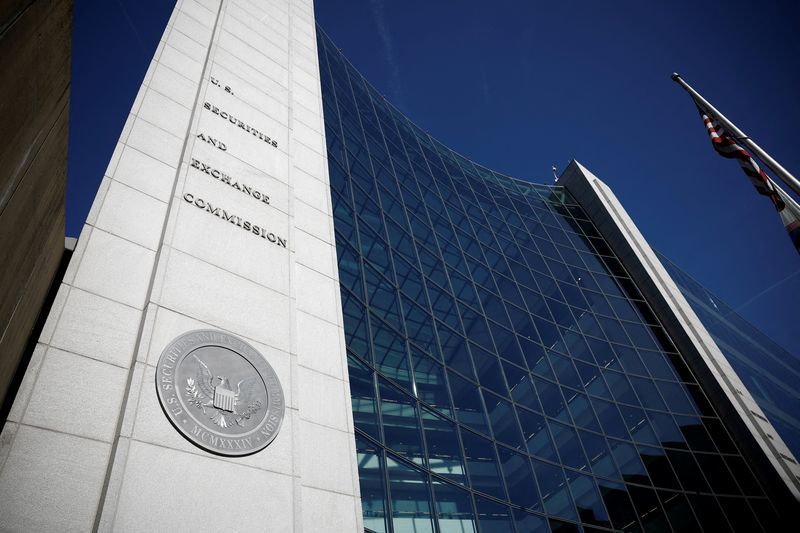
American financial regulators have filed enforcement action against Jason Satsky, a former senior investment banker at Bank of America, accusing him of disclosing confidential information about a major energy sector acquisition to a personal associate. The Securities and Exchange Commission alleges the improper tip enabled Gavin Wolfe to accumulate more than 2.2 million shares in South Jersey Industries and realise a windfall gain of approximately $18.5 million when the company's acquisition by a third party was formally announced in early 2022.
Satsky held the position of co-head for Americas power and renewable energy banking at Bank of America, putting him squarely in the middle of confidential corporate transactions. According to the regulatory complaint, he disclosed information regarding the impending acquisition of South Jersey Industries—a firm that Bank of America itself was advising on the transaction—to Wolfe during the final months of 2021. The disclosure preceded the public announcement by roughly three months, providing Wolfe with a significant timing advantage in the equity markets. When South Jersey Industries announced its $8.1 billion buyout agreement on February 24, 2022, Wolfe's portfolio position appreciated substantially, translating to a 36 percent return on his investment.
The relationship between the two men runs deep, spanning more than two decades of personal friendship and professional association. Both previously worked in the energy banking sector before joining Bank of America in 2012. Wolfe subsequently established Evergreen Capital, an investment firm managing family assets, while Satsky remained within the bank's institutional hierarchy. The regulator's complaint suggests their decades-long relationship and shared industry background created circumstances in which sensitive transaction details could pass between them with relative ease, particularly given their continued professional circles and social interactions.
Communications between the two individuals allegedly occurred repeatedly regarding the pending transaction, with the SEC noting that their contact extended to informal social settings. The complaint references an occasion when Satsky and Wolfe, together with their wives, attended a Duke versus Kentucky college basketball game at Madison Square Garden in New York. Satsky had accessed luxury box seating through Bank of America's corporate facilities, creating a private environment conducive to discussing confidential business matters away from the office setting where such conversations might be detected or monitored. These casual interactions, the SEC suggests, provided cover for the transmission of material nonpublic information.
The investment that triggered regulatory scrutiny saw Wolfe commit substantial capital to South Jersey Industries shares, ultimately acquiring positions worth approximately $53 million. The timing of his entry into the stock, several weeks after Satsky's alleged disclosure and well ahead of any public announcement, caught the attention of market surveillance systems and subsequent investigators. The scale of the subsequent gain—reaching into nine figures for a single position based on information unavailable to the general investing public—represents the type of outsized, suspiciously timed profit that typically prompts enforcement scrutiny.
The SEC's enforcement action carries significant consequences for both individuals should the allegations prove substantiated. Regulators are pursuing recovery of the illicit profits that Wolfe obtained, alongside monetary civil penalties and potential bans from serving as officers or directors of public companies. For Satsky, the consequences have already begun manifesting; Bank of America terminated his employment in March 2025, though the financial institution itself was not accused of knowing about or enabling the misconduct. The bank's swift action to sever ties with Satsky suggests management took the allegations seriously and moved to demonstrate institutional compliance controls.
Both accused parties maintain their innocence through their legal representatives. Satsky's attorney, Robert Anello, issued a categorical denial, asserting that his client did not provide Wolfe or any other party with confidential information regarding South Jersey Industries. The defence strategy appears to rest on the argument that Satsky maintained proper boundaries and refrained from breaching fiduciary duties, despite his position of trust and access to sensitive transaction details. Anello indicated confidence that evidence presented during any subsequent legal proceedings would support Satsky's position and vindicate him completely.
Wolfe's legal counsel advanced a somewhat different defence approach, characterising the stock purchases as reflecting an independent investment thesis rather than acting on tips received from Satsky. According to Reed Brodsky, Wolfe's attorney, his client will mount a vigorous defence and has pointed to sworn testimony and documentary evidence purporting to demonstrate that the decision to invest in South Jersey Industries originated from Wolfe's own analysis and conviction regarding the company's prospects. This defence suggests that Wolfe possessed legitimate, non-informational reasons for accumulating the position at the precise moment he did.
The case illuminates ongoing vulnerabilities in Wall Street's control mechanisms designed to prevent information leakage, particularly within the energy sector where complex acquisitions and financing arrangements generate valuable proprietary intelligence. Despite regulatory frameworks and compliance programmes established across major financial institutions, personal relationships and informal channels continue to provide pathways for the transfer of sensitive information. The incident also highlights how senior bankers with specialized expertise and broad dealmaking access remain attractive targets for potential tipping, especially when those bankers maintain connections to sophisticated investors positioned to trade on advanced information.
For Malaysian institutional investors and financial professionals monitoring global market conduct and enforcement trends, this case underscores the persistent enforcement appetite of U.S. regulators and the tangible consequences that flow from insider trading violations. The reach of American securities law extends to foreign investors and international transactions, and the case demonstrates that even casual social interactions and informal communications between longtime associates warrant scrutiny when accompanied by suspicious trading patterns. The eventual resolution will likely provide further guidance on how regulators and courts evaluate circumstantial evidence of information transfer within close professional relationships.
The case arrives amid a broader period of intensified SEC enforcement activity targeting trading on nonpublic information. The regulator has increased resources devoted to market surveillance technology and cross-border investigation coordination, enabling detection of insider trading patterns that might have escaped notice in previous regulatory eras. The dollar magnitude of Wolfe's gains—sufficient to trigger regulatory thresholds—ensures that this matter will receive appropriate investigative attention despite the lack of any dramatic facts or household-name companies involved. The energy sector, which carries particular significance for Southeast Asian economies dependent on regional and global energy markets, features prominently in enforcement actions because major acquisition activity generates substantial information advantages for those with advance notice.

