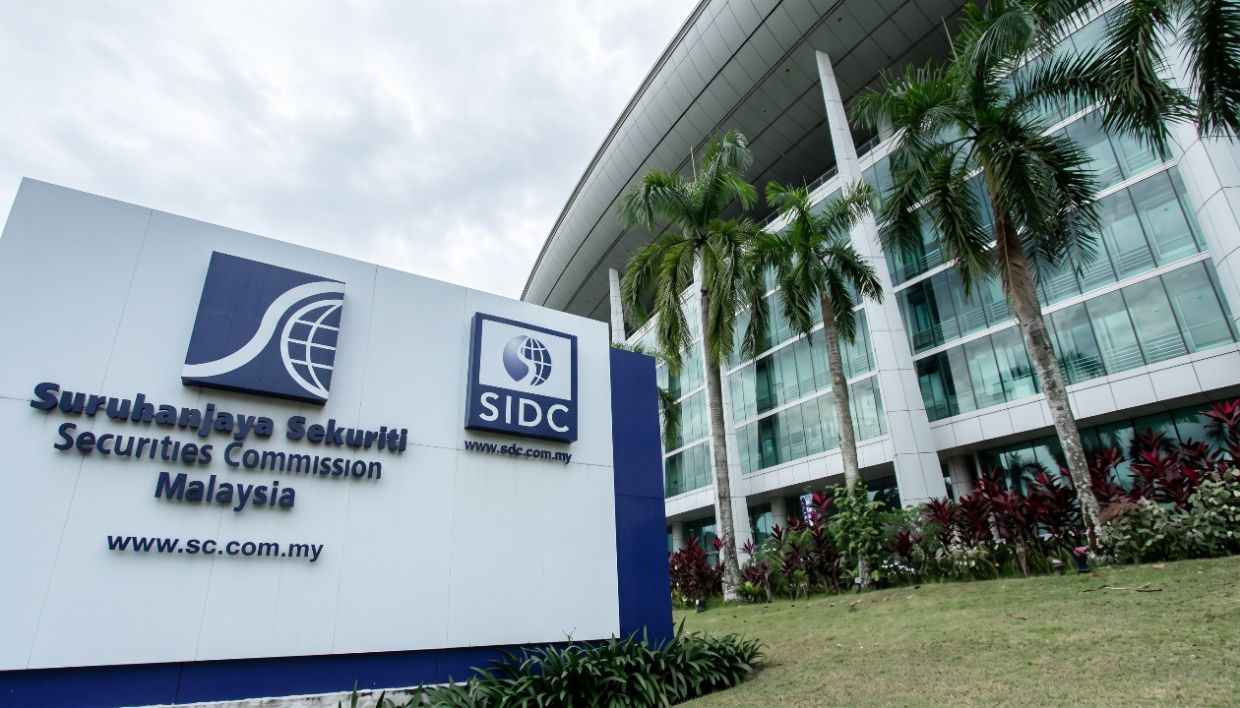
The Kuala Lumpur Sessions Court has handed down a three-year prison sentence to Mohd Arif Fadzlee Mohd Arifin, a former bank analyst, after convicting him of conducting regulated financial services without proper licensing and illegally claiming credentials he did not possess. The conviction represents a significant enforcement action by Malaysia's securities regulator in its ongoing efforts to stamp out unauthorised financial services operations that pose risks to retail investors and undermine market integrity.
Mohd Arif faced two distinct charges brought by the Securities Commission Malaysia in January 2024. The first related to his misrepresentation as a representative of CIMB Wealth Advisors Berhad whilst engaging in securities dealing—a strictly regulated activity under Malaysian financial law—despite lacking the mandatory Capital Markets Services Representative's Licence from the SC. The second charge centred on his misuse of the Unit Trust Consultant designation, which he wielded to create a false impression of legitimate regulatory approval to conduct securities transactions.
The illicit activities transpired across Petaling Jaya and Nilai in 2011, spanning multiple interactions with investors who believed they were dealing with a properly credentialled financial professional. Under the Capital Markets and Services Act 2007, any individual or entity engaging in securities dealing must first obtain explicit licensing from the SC, a requirement designed to ensure minimum competency standards and maintain investor protection safeguards. Mohd Arif's conduct violated both the letter and spirit of this regulatory framework, essentially operating as an unlicensed financial adviser.
Throughout the trial proceedings, the prosecution marshalled substantial evidence through ten witnesses, including two individuals directly harmed by Mohd Arif's activities. In late February 2026, following presentations from both sides, the Sessions Court determined that prosecutors had established a prima facie case compelling enough to warrant a full defence from the accused. This threshold finding meant the burden shifted to Mohd Arif to counter the allegations against him.
Chosen to testify in his own defence, Mohd Arif proceeded without calling corroborating witnesses—a tactical decision that ultimately proved consequential. The court found his testimony insufficient to create reasonable doubt regarding the prosecution's carefully constructed narrative of wrongdoing. Judges evaluating credibility and evidence weight concluded that Mohd Arif had failed to undermine the case assembled against him, leading inexorably to guilty verdicts on both counts.
The sentencing reflected the seriousness with which Malaysian courts treat violations of securities law. Mohd Arif received three years imprisonment for each conviction, with both terms running concurrently rather than consecutively, meaning he will serve three years total rather than six. This concurrent sentencing approach, whilst still substantial, avoided the maximum possible punishment despite the severity of the offences and their impact on defrauded clients.
The statutory framework governing these violations establishes significant penalties to deter similar conduct. Section 59(1) of the CMSA contemplates fines up to RM5 million or imprisonment extending to five years, or combinations thereof. Section 362(3) similarly provides for fines reaching RM1 million or five years' imprisonment. Whilst Mohd Arif's three-year sentence fell within these prescribed limits, it signals judicial disapproval of his deceptive practices and the regulatory breach they represented.
This case underscores persistent vulnerabilities in Malaysia's retail investment landscape where determined individuals can exploit trust and professional-sounding titles to mislead unsuspecting investors. The fact that these offences originated over a decade ago yet only reached sentencing in 2026 illustrates how securities enforcement investigations can stretch across many years before formal prosecution concludes. For Malaysian investors, the conviction reinforces the critical importance of independently verifying that financial advisers hold current, valid credentials directly confirmable through the SC's official registry before entrusting capital to their management.
The Securities Commission Malaysia has intensified focus on combating unlicensed financial services operations, recognising that unauthorised practitioners often target price-sensitive retail segments lacking sophisticated evaluation capacity. By pursuing cases like Mohd Arif's aggressively and bringing them before courts where convictions result in meaningful custodial sentences, the regulator demonstrates commitment to protecting market confidence and investor welfare. The case also highlights broader governance challenges within financial institutions where representatives might engage in prohibited outside activities beyond their employers' direct oversight.
For the broader Southeast Asian context, this Malaysian enforcement action reflects regional regulators' shared commitment to upholding securities standards and holding unauthorised practitioners accountable. As cross-border investment flows increase and digital platforms lower barriers to financial services provision, coordinated regional enforcement becomes increasingly vital. The conviction sends clear signals to potential bad actors that Malaysian authorities possess both investigative capabilities and judicial support to pursue lengthy prosecutions resulting in convictions and imprisonment when warranted.

