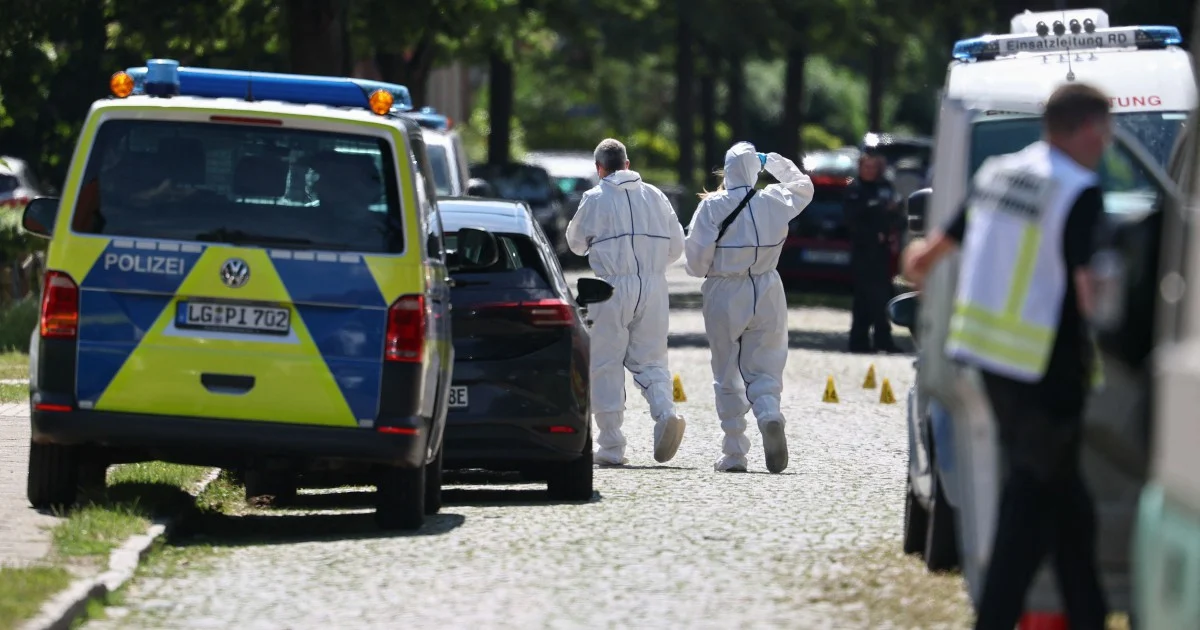
A shooting at a youth welfare facility in Stade, Germany on Monday claimed five lives and reignited concern about gun violence in a nation with some of Europe's strictest firearms regulations. Police moved swiftly to apprehend the suspected gunman, though details about the circumstances and motive remained under investigation as authorities worked to piece together how the incident unfolded.
The incident marks a significant departure from Germany's relatively low gun violence statistics compared to other developed nations. Strict licensing requirements, mandatory safety training, and comprehensive background checks have made mass shootings rare in the country, which makes Monday's tragedy particularly jarring for German residents accustomed to feeling secure from such violence. The last comparable mass shooting occurred years earlier, amplifying concerns about potential shifts in public safety.
Youth welfare centres across Germany provide crucial support services to vulnerable young people, including those facing family difficulties, behavioural challenges, or other social issues. These facilities are typically staffed by social workers and counsellors trained to de-escalate conflicts and provide therapeutic intervention. The location of the attack raises questions about staff safety protocols and whether security measures were adequate to protect workers and clients in such vulnerable settings.
The rapid police response suggests effective emergency coordination systems were in place. First responders arrived to find a scene of chaos and devastation, requiring immediate triage and medical response procedures. The swift arrest of the suspect prevented a potentially escalating situation where additional lives might have been lost, though the investigation into how the gunman accessed the facility and obtained his weapon remains ongoing.
For Malaysia and Southeast Asia, the incident serves as a sobering reminder that no region or nation is entirely immune from such tragedies, regardless of stringent regulations. While Malaysia has different legislative frameworks governing firearms, the case illustrates how social services facilities and care workers represent vulnerable populations during violent incidents. Many regional countries maintain mental health and youth care services with similar staffing models and facility types.
The psychological impact on survivors—both staff members and young clients who may have witnessed the shooting—will extend far beyond the immediate aftermath. Trauma counselling and long-term mental health support will be critical in helping the community recover. German authorities will likely conduct extensive debriefing exercises and reviews of security protocols at similar facilities nationwide to determine whether systemic vulnerabilities require addressing.
Investigators will focus on understanding the gunman's background, including any history of mental illness, criminal behaviour, or concerning incidents that might have been missed. This information could shape future policy discussions around threat assessment and intervention strategies. Preliminary findings could prompt reviews of weapons licensing procedures, particularly regarding renewals and psychological evaluations for permit holders.
The incident inevitably reignites broader debates in Germany about balancing civil liberties with public safety measures. Some voices may call for even stricter firearms regulations, while others may emphasise the importance of mental health infrastructure and early intervention programmes. These discussions will likely unfold against the backdrop of Germany's successful track record in preventing gun violence through comprehensive regulatory frameworks that other nations continue to study and emulate.
For youth welfare professionals across Europe and beyond, Monday's tragedy underscores an uncomfortable reality: those dedicated to helping vulnerable populations sometimes work in environments where they themselves become targets. Advocacy groups representing social service workers may push for enhanced safety training, panic button systems, and improved security architecture at such facilities. The incident may catalyse industry-wide reviews of best practices for protecting staff and clients simultaneously.
As the investigation deepens, forensic experts and criminal psychologists will examine the sequence of events, the type of weapon used, and any warning signs that preceded the shooting. These findings will be carefully documented and shared with law enforcement agencies throughout Europe as part of a broader commitment to understanding and preventing mass violence. The coming weeks will reveal whether preventable errors occurred or whether this represents a tragic anomaly in an otherwise robust safety system.

