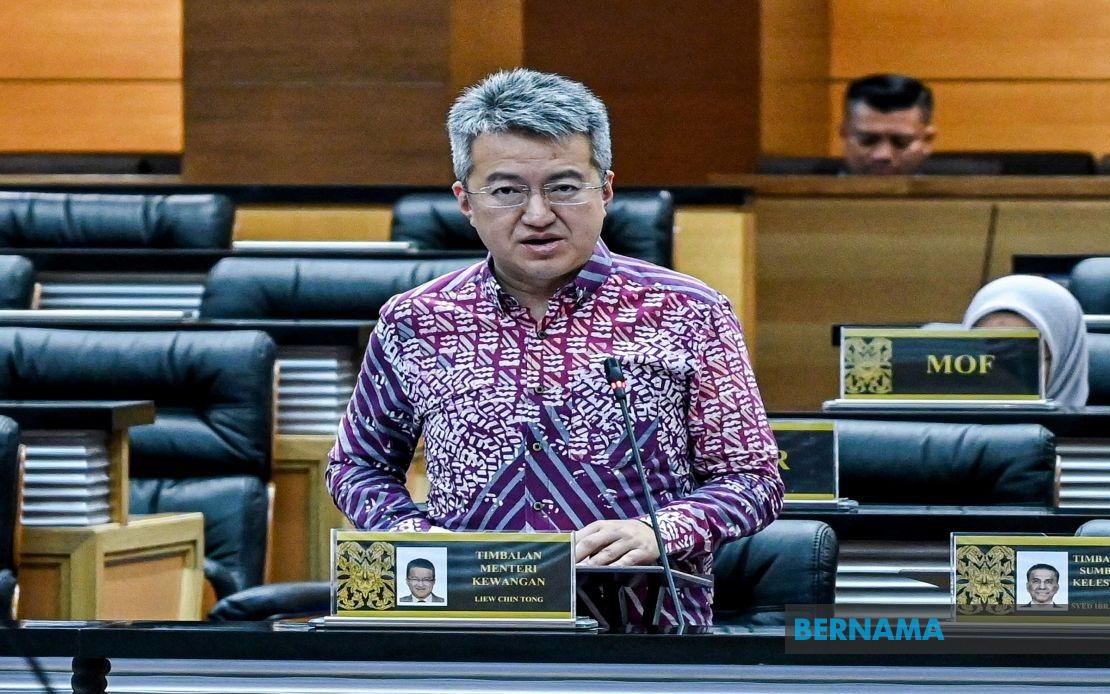
The Malaysian government is actively examining whether elderly care centres should be freed from the Sales and Service Tax, a move aimed at alleviating financial strain on families already grappling with rising living costs. Deputy Finance Minister Liew Chin Tong disclosed that the Ministry of Finance is collaborating with the Ministry of Women, Family and Community Development to conduct a comprehensive study into the proposal, signalling official recognition of concerns raised in Parliament about the impact of the eight per cent SST on this vulnerable sector.
The impetus for the review stems from growing pressure over how the tax affects ordinary households relying on professional eldercare. Ipoh Timor MP Lee Chuan How brought the matter before the Dewan Rakyat, emphasising that families utilising registered care centres—which typically charge around RM2,500 monthly—face substantially increased expenses when the eight per cent service levy is applied on top of base fees. This additional cost burden compounds existing financial pressures that many Malaysian families experience in an environment where household expenditures continue to rise across multiple categories.
Liew outlined that the ministry's examination will involve a detailed categorisation of existing care services to distinguish between basic and premium offerings. This distinction is critical because it allows policymakers to tailor any exemption in a way that protects those accessing essential elderly care while potentially maintaining tax revenue on luxury or enhanced services. The Deputy Finance Minister stressed that the government remains committed to ensuring that vulnerable groups—in this case, families of elderly citizens—are not disproportionately burdened by taxation designed to broaden the revenue base.
Beyond the technical study, Liew committed to conducting field visits to actual care centres alongside officials from the Ministry of Women, Family and Community Development. These visits represent a pragmatic approach to evidence-based policymaking, allowing government representatives to witness firsthand the operational realities faced by care facility operators and gain genuine insight into cost structures and service delivery models. Rather than relying solely on policy documents, the government plans to engage directly with facility managers to understand the nuanced challenges they navigate.
The engagement strategy extended by Liew encompasses not just observation but active dialogue with stakeholders in the sector. By hosting discussion sessions with care centre operators, the Finance Ministry aims to gather comprehensive feedback about how the SST impacts their business models and, more importantly, how it cascades down to affect the families they serve. This collaborative approach reflects an understanding that sustainable policy solutions require buy-in and participation from those most affected by implementation.
The proposal carries broader implications for Malaysia's approach to social policy and taxation. The potential exemption signals an emerging recognition that the SST, introduced as a general revenue-raising mechanism, may require targeted adjustments when it affects essential services supporting elderly citizens—a demographic segment whose needs are increasingly prominent in demographic and social planning discussions. Many Southeast Asian nations face similar ageing population trends, making Malaysia's handling of this issue potentially instructive for regional policymakers.
Liew emphasised that the study's conclusion will incorporate input from all stakeholders before any formal recommendations are submitted. This consultative methodology contrasts with top-down policy imposition and suggests the Finance Ministry views the elderly care exemption question as sufficiently complex to warrant multiple perspectives. The commitment to consider proposals from varied sources indicates openness to creative solutions that balance government revenue requirements with social equity considerations.
The timing of this review occurs within Parliament's broader legislative calendar, with the Dewan Rakyat's Special Chamber sessions having concluded a substantial sitting period. During this recently adjourned session, 63 motions were debated across 16 days of proceedings, involving input from 18 different ministries. The elderly care SST question emerged as one of numerous issues raised by both government and opposition members, reflecting the chamber's role as a platform for grievance and policy discussion.
The care sector itself represents an expanding portion of Malaysia's services economy, driven by demographic shifts and changing family structures that make professional eldercare increasingly necessary. Many facilities operate as small to medium enterprises, employing local staff and serving as community anchors in their neighbourhoods. An SST exemption would directly improve their operational margins and their ability to maintain service quality without raising fees that families can no longer absorb.
For Malaysian families currently bearing the eight per cent tax on elderly care services, the government's willingness to study exemption prospects offers prospect of relief, though the timeline for any change remains unclear. The comprehensive nature of the review—encompassing service categorisation, stakeholder engagement, and field assessment—suggests a decision may take several months to materialise. During this interim period, families continue paying the elevated costs, making the urgency of resolution a practical concern beyond theoretical policy discussion.
The broader context includes Malaysia's existing exemptions and reduced-rate categories within the SST framework. Life insurance, certain financial services, and some healthcare provisions already receive preferential treatment, establishing precedent for carving out categories deemed socially essential. Elderly care services could logically fit within this framework, particularly given the essential nature of services provided to seniors who cannot self-care.

