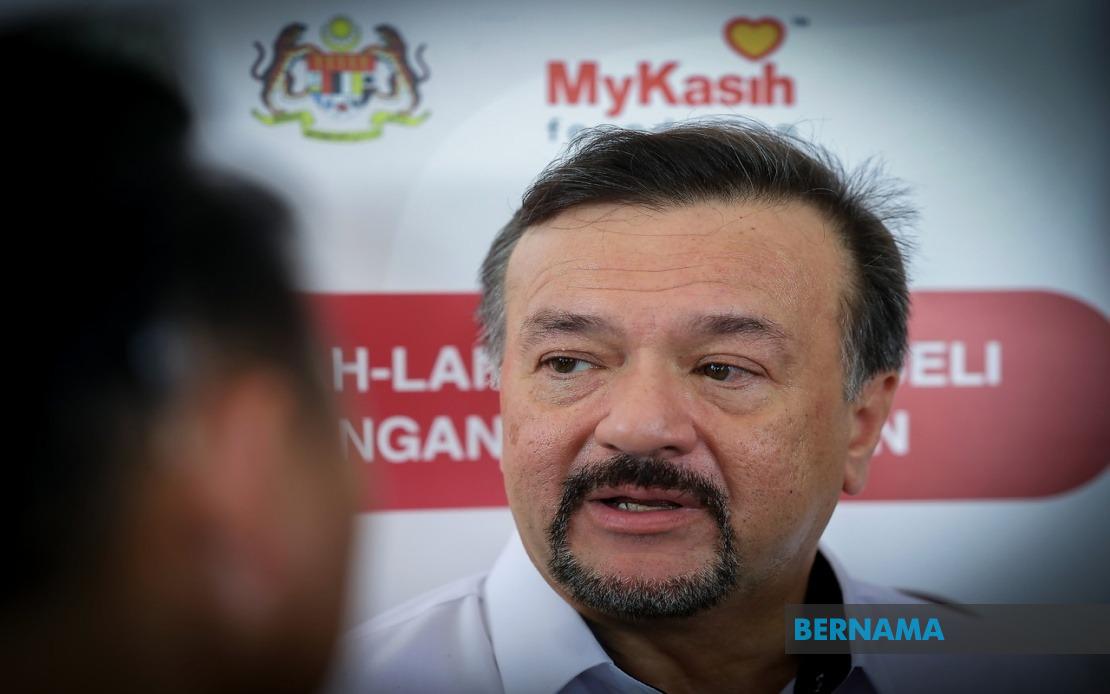
The Ministry of Finance has signalled flexibility in managing the BUDI MADANI Diesel subsidy initiative, with Finance Minister II Datuk Seri Amir Hamzah Azizan indicating that any refinements to the programme will be anchored in concrete usage patterns rather than speculative demand projections. Speaking in Kuching on June 24 following a media briefing on targeted diesel subsidy reforms, Amir Hamzah outlined the government's pragmatic approach to evaluating whether the current quota structure adequately serves intended beneficiaries while maintaining fiscal prudence.
The government's willingness to reassess the BUDI Diesel framework reflects broader lessons learnt from earlier targeted subsidy programmes, which have sometimes struggled to balance accessibility with cost management. Amir Hamzah drew explicit parallels with the rollout of the RON95 petrol subsidy, explaining that initial concerns about insufficient quotas proved unfounded once implementation data became available. The early months of the petrol scheme revealed that consumption patterns diverged significantly from pre-launch forecasts, with only 0.76 per cent of users exceeding the 200-litre monthly threshold during the January to May period this year. This empirical reality effectively rebutted predictions that the quota structure would constrain legitimate consumer needs.
The transparency regarding usage data underscores a methodological shift in how Malaysia manages fuel subsidies, moving away from assumption-driven policy and towards evidence-based administration. By establishing a clear protocol for reviewing quota adequacy in light of actual behaviour, the Ministry signals that programme parameters are not immutable but subject to justified modification if evidence warrants adjustment. This approach potentially mitigates political pressure and unfounded complaints that might otherwise accumulate without systematic evaluation.
The e-hailing sector experience offers a particularly instructive precedent for how the BUDI Diesel programme might evolve. When the government introduced targeted fuel support for ride-sharing drivers, early feedback suggested the initial quotas were restrictive given their operational requirements and longer daily driving distances compared to typical commuters. Rather than dismissing these concerns, the government commissioned analysis of fuel consumption records maintained by e-hailing companies themselves, establishing a data-driven basis for differentiation. The resulting two-tier quota system, offering drivers either 600 or 800 litres monthly depending on verified usage patterns, demonstrates how targeted programmes can maintain equity and economic viability simultaneously.
Applying this methodology to BUDI Diesel presents both administrative and political advantages. The programme, which began as Malaysia's response to global fuel price volatility and inflationary pressures on lower-income households, requires careful calibration to ensure subsidies reach those with genuine necessity without creating perverse incentives or fiscal unsustainability. By committing to data-driven review cycles rather than knee-jerk responses to anecdotal complaints, the Finance Ministry creates a defensible framework for future modifications that distinguishes legitimate usage concerns from opportunistic demands for expanded entitlements.
The involvement of Works Minister Datuk Seri Alexander Nanta Linggi in the briefing suggests coordination across multiple ministerial portfolios in programme oversight, reflecting the cross-sectoral implications of fuel subsidy architecture. Transportation and logistics sectors depend heavily on diesel availability and pricing, making coherence between fiscal policy and sectoral needs essential. The government's open posture toward refinement signals recognition that diesel-dependent industries may require particular attention within the broader subsidy framework, though any quota increases would remain contingent on documented demand rather than blanket expansion.
For Malaysian consumers and businesses, particularly those reliant on diesel fuel, this announcement provides qualified reassurance that legitimate hardship arising from excessively restrictive quotas would trigger policy reconsideration. However, it simultaneously establishes clear expectations that requests for expansion must be supported by usage evidence, not merely political advocacy. This bifurcated approach aims to prevent programme drift while remaining responsive to demonstrated need.
The emphasis on letting "the system run first" reflects administrative prudence, acknowledging that any large-scale subsidy initiative requires an adjustment period to establish reliable baseline data and identify genuine implementation challenges. Premature modifications risk introducing errors based on incomplete information, whereas a period of stability allows patterns to emerge clearly. The government's commitment to reviewing gaps if they materialize distinguishes this from regulatory inflexibility, positioning the Ministry as responsive but not reactive.
Regionally, Malaysia's experience with targeted diesel subsidies carries significance for other Southeast Asian economies grappling with balancing social welfare, inflation management, and fiscal discipline. The government's willingness to embed usage monitoring and periodic review into subsidy design offers a replicable model that other nations might adapt to their contexts. As global energy markets remain volatile and developing economies face recurring pressure to support vulnerable populations through fuel price controls, evidence-based adjustment mechanisms provide institutional alternatives to either permanent subsidy locks or abrupt removal of support.
Looking forward, the Finance Ministry's approach suggests that subsequent announcements regarding BUDI Diesel will likely reference specific consumption metrics and comparative analysis rather than pure political considerations. This institutional commitment to data transparency, even when it might limit scope for expansion, strengthens the programme's long-term credibility and facilitates international economic engagement by demonstrating disciplined fiscal management. For stakeholders seeking quota adjustments, the pathway is clear: document usage patterns comprehensively and present evidence-backed proposals for ministerial consideration.