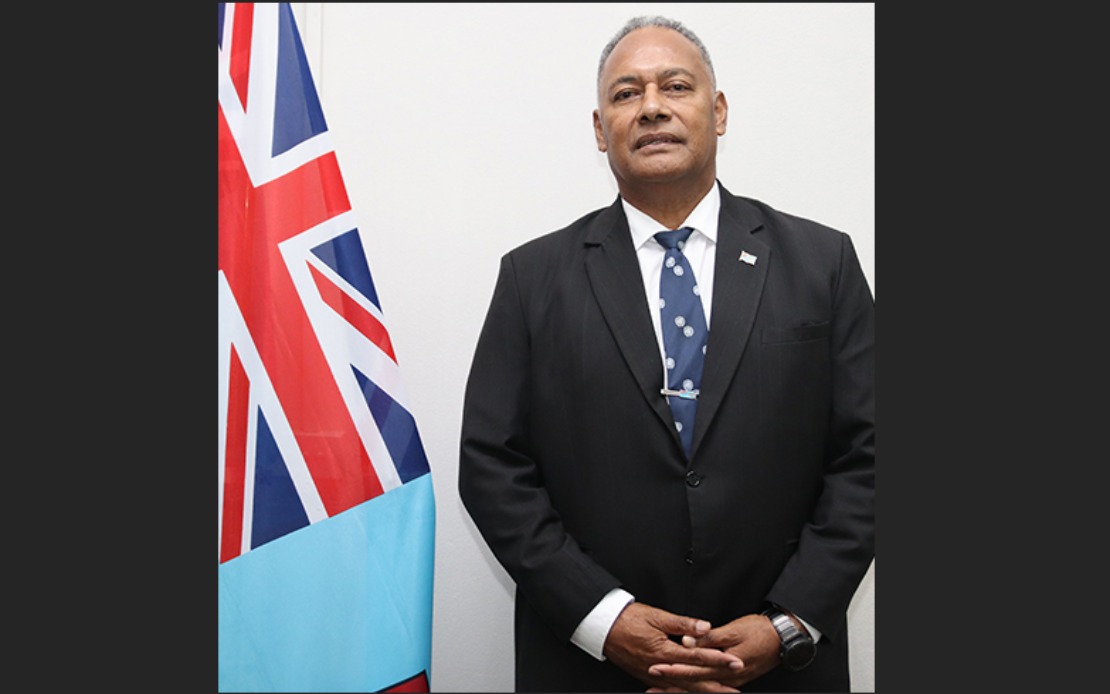
Fijian Foreign and External Trade Minister Sakiasi Raisevu Ditoka is undertaking a four-day working visit to Malaysia starting Sunday, a journey designed to reinvigorate diplomatic and economic partnerships between the two nations at a time when Pacific island engagement with Southeast Asia is gaining strategic importance. The visit represents a significant moment for Malaysia's outreach to the Pacific region, reflecting growing recognition of the opportunities that exist in strengthening South-South cooperation beyond traditional trade corridors.
According to a statement from Malaysia's Foreign Ministry, the centrepiece of Ditoka's visit will be a bilateral meeting with Foreign Minister Datuk Seri Mohamad Hasan. During this engagement, both ministers are expected to chart a course for deepened collaboration spanning multiple sectors that align with contemporary development priorities. Trade and investment remain primary focal points, but the discussions will extend into areas such as capacity building, forestry management, renewable energy transitions, and cultural exchanges—domains where Malaysia can leverage its expertise to assist Pacific partners facing climate and development pressures.
The diplomatic framework of the visit reflects a broader strategic shift in Malaysian foreign policy toward the Pacific island nations. Beyond the bilateral relationship, the two ministers will discuss regional and international concerns, providing Fiji with insights into Malaysia's perspectives on global challenges while allowing Ditoka to share Pacific island viewpoints on issues ranging from climate change to maritime security. This exchange mechanism is crucial for building understanding at a time when geopolitical tensions across the Indo-Pacific require coordinated responses from diverse stakeholders.
Running parallel to ministerial discussions, Ditoka will meet Investment, Trade, and Industry Minister Datuk Seri Johari Abdul Ghani to explore concrete economic opportunities. This dual-track engagement—combining foreign policy substance with trade development—demonstrates Malaysia's systematic approach to converting diplomatic goodwill into tangible business benefits. The meeting will seek to identify sectors where Malaysian companies can partner with Fijian enterprises, as well as avenues for Fijian exports to reach Malaysian and regional markets through established distribution networks.
A particularly symbolic element of the visit involves the reopening of Fiji's High Commission in Kuala Lumpur. The reactivation of this diplomatic presence signals both nations' commitment to sustained engagement and provides essential infrastructure for managing bilateral relations and supporting their respective diaspora communities. This physical institutional presence strengthens the foundation for ongoing dialogue and provides a base for future cooperation initiatives that might emerge between government agencies, businesses, and civil society organisations.
The establishment of the Malaysia-Fiji Business Council during Ditoka's visit represents a pragmatic institutional innovation. Such councils facilitate direct engagement between commercial sectors in both countries, bypassing some bureaucratic layers and allowing entrepreneurs to build personal relationships and identify market opportunities more efficiently. For Malaysian companies interested in Pacific markets, the council provides a focal point for information gathering and partnership development. For Fijian businesses seeking to access Malaysian and regional supply chains, it offers a gateway to more sophisticated trading networks.
Bilateral trade statistics provide context for understanding the relationship's current dimension and growth potential. In 2025, total bilateral trade reached RM880.01 million, equivalent to approximately US$206.2 million. Malaysia's export position is substantially stronger, with outbound shipments valued at RM867.92 million against imports from Fiji of merely RM12.09 million. This asymmetry reflects Fiji's smaller economic scale and export base, but also suggests untapped potential for import substitution and for Malaysian investors to develop value-added production within Fiji for regional distribution.
The trade imbalance is characteristic of Malaysia's engagement with many Pacific island nations and should be understood not as a problem to be immediately corrected but as a starting point for deeper economic integration. Malaysian companies in sectors such as manufacturing, financial services, and agricultural processing could potentially establish operations or joint ventures in Fiji, accessing regional markets while contributing to Fijian economic diversification. Similarly, Malaysian expertise in renewable energy development and sustainable forestry management could address pressing Fijian development needs while creating export opportunities for Malaysian technology and services providers.
For Malaysian readers, this diplomatic engagement carries implications beyond the bilateral relationship. Malaysia's deepening ties with Pacific island nations contribute to its role as a bridge between Asia and the broader Indo-Pacific region. The Pacific islands hold strategic importance as maritime stakeholders with significant exclusive economic zones, and their alignment with Malaysian positions on issues such as climate justice and sustainable development can amplify Malaysian influence in multilateral forums. Furthermore, as regional powers like China expand Pacific engagement, Malaysia's active diplomatic presence helps ensure that Southeast Asian perspectives remain central to regional conversations.
The visit also reflects Malaysia's commitment to the concept of comprehensive development partnerships. Rather than limiting cooperation to extractive trade relationships, Malaysia is positioning itself as a development partner capable of sharing knowledge and capabilities across governance, business, and social sectors. This approach builds trust and creates sustainable relationships less vulnerable to disruption by shifting economic winds or geopolitical realignments.
Looking forward, the outcomes of Ditoka's visit will likely include a joint communiqué outlining cooperation frameworks, potentially establishing committees to oversee sectoral partnerships, and possibly announcing specific trade or investment initiatives. The reopening of the High Commission and launch of the Business Council will provide institutional mechanisms to ensure that the momentum generated during this visit translates into sustained engagement. Success in these early stages could position Malaysia as a preferred Pacific island partner in Southeast Asia, particularly if economic benefits materialise for Fijian stakeholders and Malaysian businesses.
The timing of this visit, occurring as Malaysia continues its broader Pacific strategy, demonstrates commitment to diversifying partnerships beyond traditional markets. For Fiji and other Pacific island nations seeking to strengthen economic security and reduce vulnerability to external shocks, partnerships with established regional economies like Malaysia offer stability and market access. As both nations move forward, the relationship will likely deepen through repeated ministerial exchanges, growing business community engagement, and coordinated positions in regional and international forums, creating a foundation for partnership that extends well beyond the immediate trade figures.

