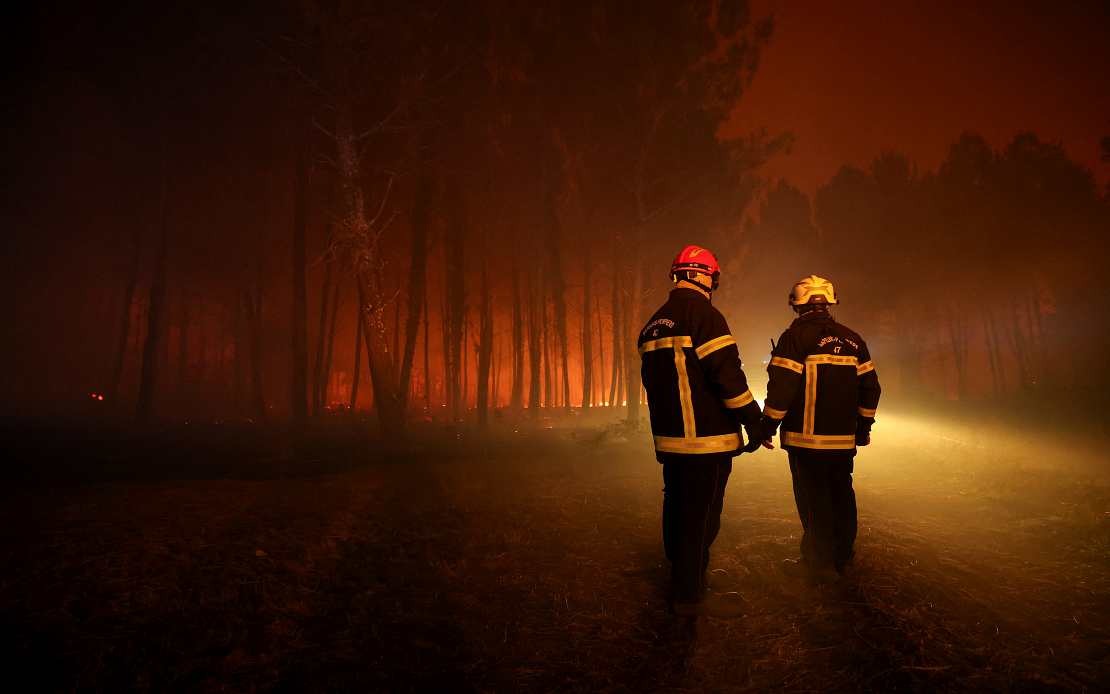
A 15-year-old has been formally charged in France in relation to a fire near Bordeaux that resulted in the deaths of two firefighters. The youth appeared before a judge on Thursday and was subsequently placed in a closed educational centre pending further proceedings. The incident underscores the dangers that emergency responders face and the severe consequences that can flow from seemingly minor acts of negligence.
The fire occurred in Merignac, a locality proximate to Bordeaux airport, and claimed the lives of two firefighters on 21 July as they battled the resulting blaze. According to French broadcaster BFMTV, the circumstances surrounding the incident and the factors that led to the fatalities triggered an immediate investigation by the Bordeaux prosecutor's office. The probe sought to establish the precise cause of the fire and whether any criminal liability attached to those responsible.
Investigations revealed that the teenager had allegedly started the fire by discarding a lit cigarette butt onto grass in the area. According to local French daily Sud Ouest, the 15-year-old and his 22-year-old brother had been in the vicinity when the incident occurred. While the older brother extinguished his cigarette in the parking lot, the teenager is said to have thrown his onto nearby grass, inadvertently initiating the conflagration that would prove catastrophic.
Both brothers were initially taken into police custody following the fire. However, the 22-year-old, who was arrested on Wednesday, was subsequently released without charge after the teenager accepted responsibility for igniting the blaze. This development proved crucial to the investigation, as it allowed authorities to narrow their focus and establish a clear chain of events leading to the tragedy.
The case highlights the critical importance of fire safety awareness and responsible disposal of smoking materials, particularly during periods when vegetation and conditions favour rapid fire spread. In regions with warm summers and dry seasons, such carelessness can have devastating consequences. For Malaysia and Southeast Asia, where tropical and monsoon climates create their own fire hazards during dry periods, the incident serves as a stark reminder of the need for public education on fire prevention.
The two firefighters who died represent the ultimate sacrifice made by emergency service personnel in their duty to protect communities. Their deaths underscore the inherent risks faced by these professionals, who routinely respond to dangerous situations with limited warning and incomplete information. The emergency vehicle becoming trapped by flames demonstrates how rapidly fire conditions can deteriorate and overwhelm even trained responders equipped with specialized equipment.
The decision to place the teenager in a closed educational centre rather than pursuing purely punitive measures reflects French juvenile justice principles that emphasise rehabilitation alongside accountability. This approach recognises the defendant's youth while ensuring appropriate consequences for actions that resulted in loss of life. The outcome will likely influence how French courts address similar cases and may prompt broader discussions about youth accountability in serious criminal matters.
The Bordeaux prosecutor's office investigation represents standard procedures in high-profile incident investigations where fatalities have occurred. Such inquiries typically examine not only the immediate cause but also potential systemic factors, inadequate safety protocols, or other contributing elements. In this instance, the investigation confirmed that a discarded cigarette was the proximate cause, eliminating more complex possibilities and establishing a clear causal link.
The implications of this case extend beyond France's borders. Across Europe and globally, emergency services grapple with preventable incidents that place lives at risk. Public awareness campaigns emphasising proper cigarette disposal and fire safety awareness remain critical, particularly among younger populations who may underestimate consequences of their actions. The tragedy in Merignac demonstrates that carelessness in a single moment can cascade into irreversible consequences affecting families, communities, and emergency services.
For Malaysia, where rapid urbanisation and dense concentrations of population intensify fire risks, the case offers valuable lessons. The fire service sector requires continued public cooperation and awareness initiatives to minimise preventable incidents. Educational campaigns targeting youth about fire safety and responsible disposal of hazardous materials can help prevent similar tragedies. Additionally, the case reinforces the necessity of adequate resourcing and training for emergency services personnel who bear extraordinary occupational hazards.

