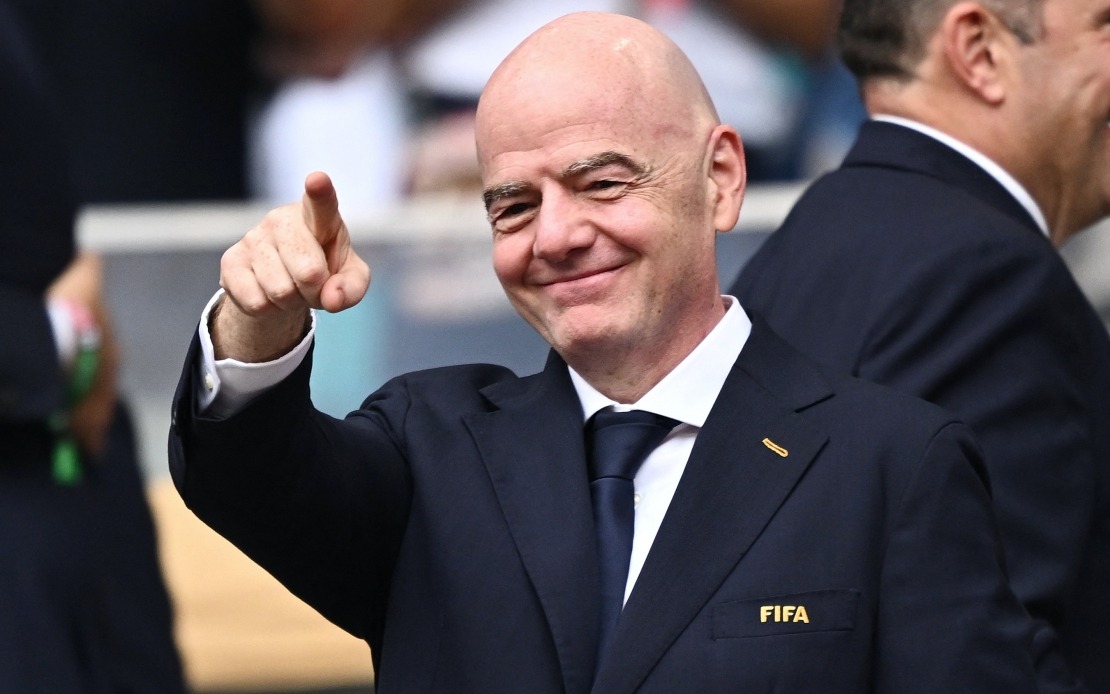
UEFA, Europe's continental football governing body, has issued a scathing assessment of FIFA's current administration, declaring that the world body's leadership has forfeited the trust not only of the European confederation but of numerous other football organisations globally. The statement came in Istanbul on Saturday as UEFA welcomed FIFA's decision to abandon a contentious proposal that would have allowed private investors to acquire stakes in major football competitions, most notably the FIFA World Cup itself.
The European confederation's rebuke cuts deeper than a simple policy disagreement. UEFA emphasised that the privatisation scheme had been overwhelmingly rejected across the global football landscape, with unanimous opposition from its own member associations and backing from numerous federations and confederations representing nations of all sizes worldwide. This near-universal rejection reflects the profound unease that permeated football's governing structures over what many viewed as an existential threat to the sport's integrity and independence.
UEFA extended its gratitude to the broader ecosystem that mobilised against the proposal, acknowledging the instrumental role played by supporters, professional leagues, individual clubs, players, national football associations, continental confederations, government officials, and media commentators in defeating the initiative. This coalition of opposition underscores how the proposal had transcended traditional football governance debates to become a matter of public concern, drawing intervention from political quarters worried about the commercialisation of the world's most popular sport.
Beyond the withdrawal of this specific plan, UEFA has articulated a fundamental critique of FIFA's internal decision-making processes. The European body condemned what it characterised as a culture of secrecy and exclusion, where significant proposals affecting global football are developed by unaccountable individuals operating on compressed timelines outside public scrutiny. Such practices, UEFA argued, are incompatible with modern governance standards and the democratic principles that should underpin organisations serving hundreds of millions of football enthusiasts.
The criticism extends to FIFA President Gianni Infantino's stewardship more broadly. UEFA reminded the football community that Infantino campaigned for his position in 2016 on explicit promises to enhance transparency in FIFA's operations and to deploy the organisation's considerable financial resources toward developing football at grassroots and emerging levels globally. These commitments, UEFA's statement suggests, have largely remained unfulfilled, contributing to the erosion of confidence in his leadership.
UEFA has signalled its intention to undertake a thorough examination of how the privatisation proposal materialised within FIFA, working in coordination with its member associations and other continental confederations. This investigative approach indicates that the European confederation views the episode not as an isolated misstep but as symptomatic of deeper structural problems within FIFA's governance framework that demand systematic attention.
The Malaysian football community and other Southeast Asian nations have particular reason to monitor this unfolding governance crisis. FIFA's decisions and the direction of its leadership directly influence resource allocation, tournament structures, and development programmes that affect football at all levels in the region. The loss of confidence in FIFA's leadership at the continental level raises questions about how Malaysian clubs, the Football Association of Malaysia, and the broader Asian football ecosystem will navigate their relationships with the world governing body moving forward.
What distinguishes UEFA's statement is its careful calibration. While declaring victory against the privatisation plan, the confederation explicitly cautioned that withdrawing the proposal represents merely the opening chapter of a longer accountability process. UEFA framed the struggle ahead as fundamentally about rebuilding institutional trust in FIFA, a task that will require far more than the rejection of a single controversial initiative. This suggests that the European confederation intends to press for systemic reforms in how FIFA operates, not merely to claim a tactical win.
The broader implications extend to football's commercial future. The attempted sale of competition stakes reflected a particular vision of how football's economic model should evolve, one emphasising private capital and investor participation. FIFA's retreat from this approach does not resolve the underlying tensions about how professional football should balance sporting integrity, democratic governance, and commercial sustainability. These questions will likely resurface in different guises as FIFA seeks to maintain its relevance and financial stability.
For Malaysian and Southeast Asian stakeholders, UEFA's intervention and criticism of FIFA leadership carries significance beyond symbolism. The credibility and legitimacy of FIFA's governance directly impacts the fairness of decisions affecting tournament participation, broadcasting rights, development funding, and regulatory frameworks that shape football in the region. A FIFA leadership that has lost the confidence of major continental confederations and the broader football community operates with diminished authority to make decisions that smaller footballing nations should accept as legitimate.
UEFA's call for examining how the proposal emerged and preventing recurrence points toward potential structural reforms in FIFA's governance. Whether such reforms materialise, and whether they prove substantive or cosmetic, will determine whether this episode catalyses genuine institutional change or merely represents a temporary setback for FIFA's current direction. The challenge of rebuilding trust in FIFA, as UEFA noted, has only just begun.

