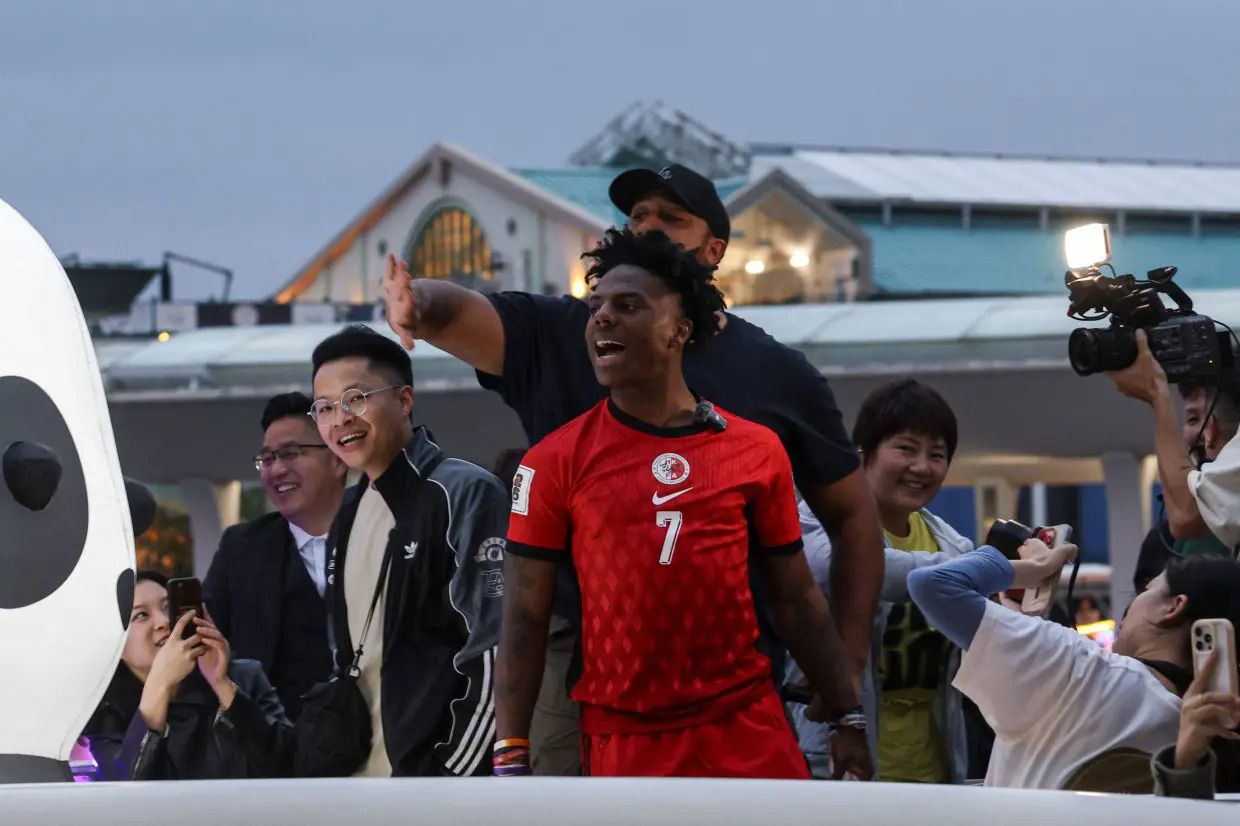
Football's governing body FIFA has initiated an investigation into incidents of racist abuse directed at the prominent online content creator IShowSpeed during matches at the ongoing World Cup tournament in the United States. The sports organisation announced its probe on Tuesday through a statement posted on social media platform X, revealing that it became aware of an incident involving a spectator and the streamer at Miami Stadium during the Argentina versus Cape Verde fixture on July 3, 2026.
The target of this abuse, Darren Watkins Jr, operates under the streaming moniker IShowSpeed and commands an enormous digital following across multiple platforms. His YouTube channel alone boasts over 57 million subscribers, with his audience extending across Instagram, TikTok, and other video distribution networks to reach tens of millions more globally. The 21-year-old content creator represents a significant demographic shift in how younger audiences consume sports entertainment, blending traditional match attendance with real-time digital broadcasting to their followers worldwide.
Watkins has secured exclusive access to World Cup matches as part of a collaborative arrangement between FIFA, the video platform YouTube, and American sports broadcaster Fox Sports. This partnership underscores the evolving relationship between international sporting bodies and digital media influencers, recognising how contemporary content creators shape viewership patterns and engagement metrics. His presence at matches generates substantial live-streaming audiences and extends the tournament's reach into communities that traditional broadcasting may not effectively penetrate.
The football organisation's official statement emphasised its unequivocal stance against discriminatory behaviour, declaring that FIFA "strongly condemns racism, hate and discrimination in all forms." Officials noted that such actions are fundamentally incompatible with the values and regulations governing professional football, the World Cup competition specifically, and broader societal norms. This declaration represents FIFA's formal commitment to investigating the incident thoroughly and potentially implementing consequences for those involved.
The racist incidents were not isolated to a single match or occasion. Reports indicate that IShowSpeed encountered additional abusive behaviour during Tuesday's Argentina versus Egypt encounter, when an Argentine supporter reportedly engaged in overtly racist conduct by imitating primate sounds and gestures in the streamer's presence. This pattern of targeted harassment raises concerns about spectator conduct at World Cup venues and the adequacy of existing stadium safety protocols designed to protect individuals from discriminatory abuse.
The timing of these incidents carries particular significance for FIFA's broader efforts to combat racism within international football. Previous World Cup tournaments and major competitions have featured well-documented cases of racist abuse both in stadiums and on social media platforms, prompting FIFA to implement various monitoring and enforcement mechanisms. These documented incidents at the current tournament demonstrate that challenges persist despite increased awareness and regulatory measures implemented over recent years.
For Malaysian and Southeast Asian readers, these developments reflect ongoing global conversations about discrimination in sports and the responsibilities of sporting organisations to protect participants and attendees from abuse. The incident also illustrates how digital influencers have become integral to modern sports broadcasting ecosystems, commanding substantial leverage and visibility that accompany their expanded roles within established sporting frameworks and traditions.
The investigation undertaken by FIFA will likely examine stadium security footage, witness testimony from event attendees, and any available evidence from the streamer's own broadcast recordings. Identifying specific individuals responsible for racist abuse poses considerable challenges within large stadium environments, yet technological advances and coordinated security efforts have improved accountability mechanisms in recent years. The outcome of this investigation could establish important precedents regarding spectator conduct standards and consequences for violations.
These incidents also prompt reflection on the intersection of sports fandom, national identity, and acceptable conduct at international competitions. While passionate support for one's national team remains central to World Cup culture, distinguishing legitimate team allegiance from discriminatory abuse remains an ongoing challenge for stadium operators, security personnel, and sporting authorities attempting to maintain inclusive and respectful environments for all participants and observers.
FIFA's response signals its institutional commitment to addressing racism within its domain, though observers have noted that investigations alone prove insufficient without meaningful enforcement mechanisms and substantial penalties for substantiated violations. The streamer's high-profile status amplifies this particular case within public discourse, potentially accelerating FIFA's responsiveness compared to similar incidents involving less visible individuals. However, addressing systemic racism within football requires sustained commitment beyond individual incident investigations.

