Malaysia's burgeoning engagement with classical Islamic scholarship has reached a new milestone with the elevation of the Festival Turath Islami Selangor to national status. Beginning this September 13 at the Putra Mosque in Putrajaya, Festival Turath Islami Malaysia 2026 represents a significant institutional expansion, signalling deeper commitment from both federal and state authorities to preserve and promote Islamic intellectual heritage as a foundation for contemporary societal development.
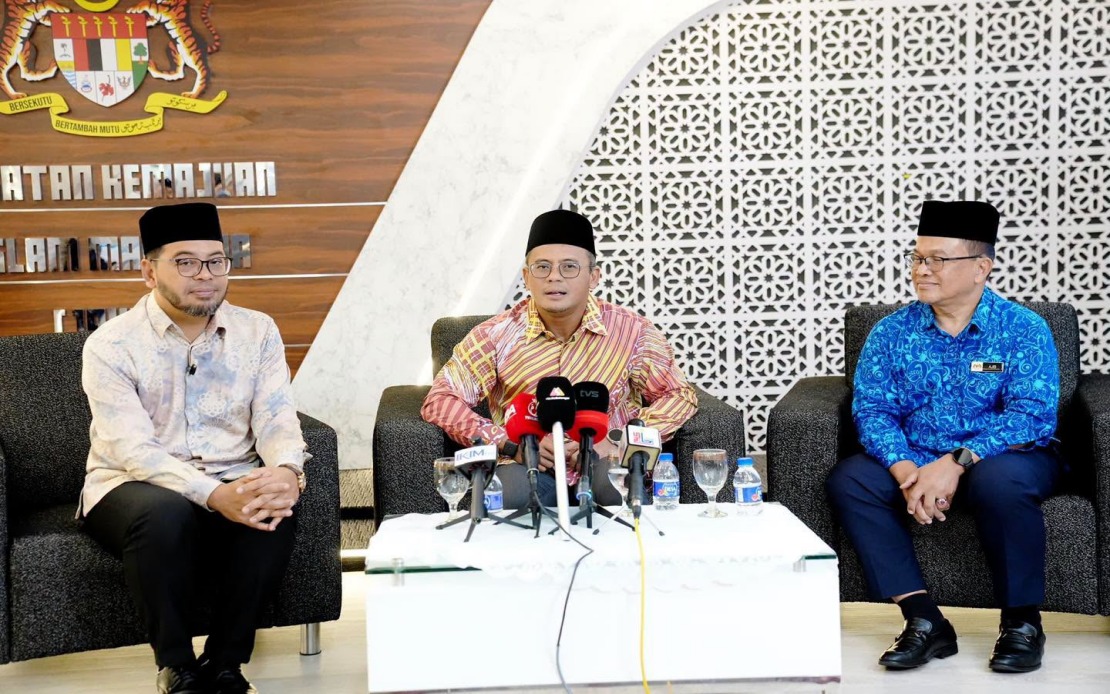
The transformation from a state-level initiative to a nationwide platform underscores growing recognition among Malaysian policymakers that engagement with classical Islamic texts offers valuable frameworks for addressing modern challenges facing Muslim-majority societies. Selangor Menteri Besar Datuk Seri Amirudin Shari and Minister in the Prime Minister's Department (Religious Affairs) Dr Zulkifli Hasan jointly announced the expanded format, positioning the initiative as a collaborative enterprise between the Selangor State Government and the federal government through the Prime Minister's Department (Religious Affairs). This institutional pairing reflects a coordinated approach to cultural programming that transcends conventional state-federal boundaries.
Over eight days, the festival will operate as an intellectual forum rather than a merely celebratory gathering. The curatorial choice to examine Al-Hikam al-Ata'iyyah—a celebrated work by the 13th-century Sufi scholar Ibn Ata-illah As-Sakandari—provides thematic coherence while maintaining scholarly rigor. This classical text, which explores sincerity, divine trust, and the spiritual relationship between servant and Creator, remains remarkably influential across Islamic intellectual traditions, particularly within Malay-Islamic scholarship where Sufi thought has historically shaped religious discourse. By focusing on such foundational works, the festival positions itself as distinct from purely entertainment-oriented cultural events.
The programme's intellectual architecture has been carefully constructed to accommodate diverse scholarly perspectives while maintaining substantive engagement with source materials. The participation of 23 local and international scholars, including prominent figures such as Sheikh Dr Ali Jum'ah alongside Malaysian religious authorities including Selangor Mufti Datuk Setia Dr Haji Anhar Haji Opir, creates an environment where different interpretive traditions can coexist productively. The forty-plus scholarly sessions will allow participants to delve into philosophical, theological, and practical dimensions of classical Islamic thought rather than surface-level treatments typical of mainstream cultural programming.
This represents the continuation of a deliberate trajectory. Since its inception in 2023, the Festival Turath Islami Selangor has served as a systematic exploration of canonical Islamic scholarly works. The first edition examined Imam Al-Ghazali's Ihya' 'Ulumuddin, a comprehensive treatise on Islamic religious sciences. The second focused on Imam al-Nawawi's Al-Arba'in al-Nawawiyah, forty hadith serving as an ethical and spiritual guide. The third engaged with Tafsir al-Jalalain, a foundational Qur'anic commentary. This cumulative approach demonstrates institutional commitment to sustained intellectual engagement rather than ad-hoc programming. Malaysia joins several other Muslim-majority countries in recognizing that systematic examination of classical texts can contribute meaningfully to contemporary religious scholarship and social discourse.
The organisational complexity of staging such an event at national level extends beyond securing scholar participation. The choice of venue carries symbolic weight; relocation from the Selangor State Mosque to the Putra Mosque in Putrajaya signals the festival's positioning within national institutional frameworks. The eight-day duration allows for substantive engagement impossible in shorter formats, while the variety of programme formats—from intensive Talaqqi Kitab Al-Hikam sessions exploring textual methodology to Tausiah Perdana lectures, Qasidah ceremonies, and an Islamic Book Festival—acknowledges that different audiences engage differently with intellectual and spiritual traditions.
A particularly noteworthy component is the inaugural National Muzakarah Ulama Turath, which brings together Islamic scholars from across Malaysia for structured dialogue on contemporary challenges facing Muslim communities. This represents a professionalisation of scholarly networking, creating formal mechanisms for intellectual cooperation among the country's religious intelligentsia. Such platforms, when well-designed, can facilitate more nuanced public discourse on contentious religious and social issues, potentially influencing how religious leadership articulates positions on matters of national concern. The presence of diverse Malaysian scholars alongside international figures creates productive intellectual friction, allowing local scholars to position Malaysian Islamic thought within broader regional and global conversations.
For Malaysian audiences, the festival's emphasis on classical Islamic heritage offers counterpoint to contemporary polarisation around religious identity and practice. The focus on texts like Al-Hikam al-Ata'iyyah, which emphasises spiritual sincerity and humility before God, potentially reorients attention toward interiority rather than externalism in religious expression. Particularly in contexts where religious discourse has become increasingly politicised and identity-focused, engagement with Sufi ethical frameworks might encourage alternative conversations centred on spiritual development and philosophical depth. The participation of internationally recognised scholars like Sheikh Dr Ali Jum'ah, who has engaged with questions of Islamic modernity, brings perspectives potentially relevant to Malaysian discussions of how classical traditions remain meaningful in contemporary contexts.
The expanded scope also addresses regional dynamics. Southeast Asia, home to significant Muslim populations with distinctive intellectual and cultural traditions, has historically engaged productively with classical Islamic scholarship while maintaining particular emphases shaped by local context. By elevating the festival to national level, Malaysia positions itself as a regional hub for such scholarly engagement, potentially attracting scholars and participants from neighbouring countries. This could contribute to strengthening the intellectual foundations of Southeast Asian Islamic thought while providing platforms for dialogue between Malaysian and regional scholars examining how classical texts illuminate contemporary issues.
The registration process and administrative details, to be announced through the official festival website, will determine accessibility. Depending on fee structures and registration requirements, the festival could function either as an elite intellectual gathering or a more broadly inclusive event. The balance between maintaining scholarly rigour and ensuring accessibility will partly determine the festival's broader impact on Malaysian religious discourse and public engagement with classical Islamic thought. Public accessibility to sessions or recorded materials could extend influence beyond those able to attend in person, potentially reaching wider audiences through digital platforms.
For Malaysia's religious institutions and state governments, this initiative represents a strategic investment in cultural production and intellectual infrastructure. As various Southeast Asian nations develop competing visions of Islamic modernity and heritage, Malaysia's institutional commitment to systematic engagement with classical scholarship positions the country as serious about preserving and revitalising Islamic intellectual traditions. Whether sustained across future years and expanded to encompass additional texts and scholarly conversations will indicate whether this represents a temporary initiative or institutional transformation. The precedent established by elevating a Selangor initiative to national platform also potentially opens pathways for other state-level cultural and scholarly programmes seeking expanded scope and federal partnership.
The festival ultimately reflects broader questions about how Muslim-majority societies engage with historical intellectual traditions amid contemporary pressures. By creating dedicated institutional space for serious scholarship on classical Islamic texts, Malaysia contributes to global conversations about Islamic modernity, cultural continuity, and religious relevance. Whether this translates into measurable shifts in how religious leadership articulates positions on public issues, how religious education incorporates such materials, or how broader publics engage with Islamic intellectual traditions remains to be observed.

