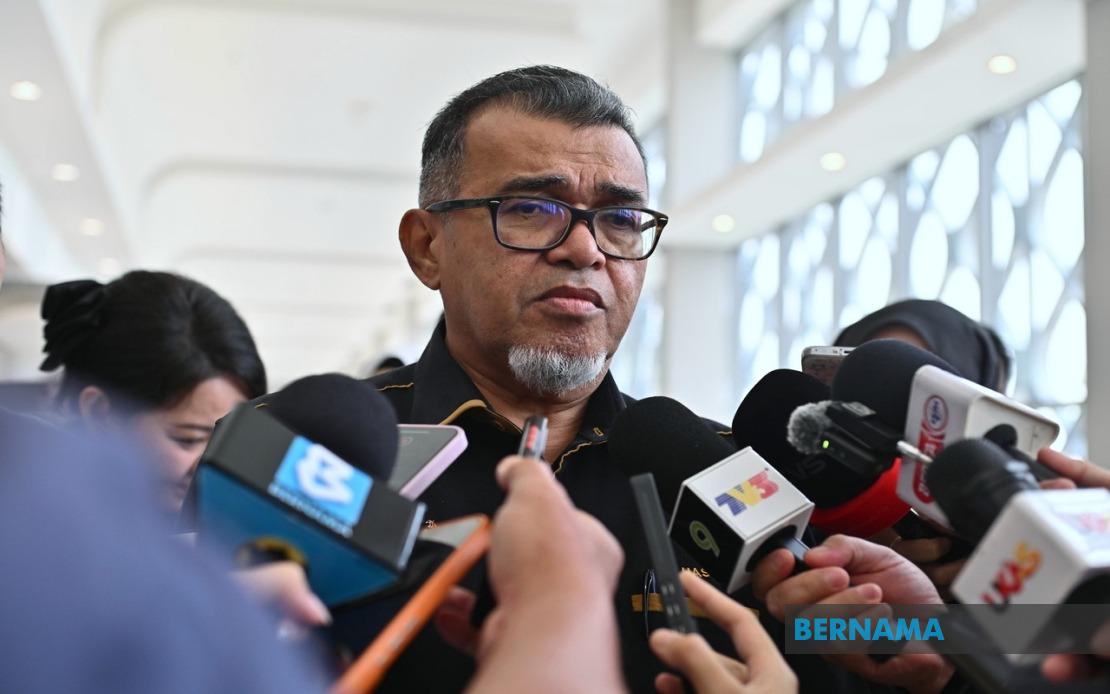
The Federal Government has committed RM30 million towards improving critical aviation infrastructure in two of Sarawak's most remote interior districts. Deputy Transport Minister Datuk Hasbi Habibollah revealed the funding allocation during a visit to Kuching on August 28, designating RM15 million for each of the Short Take-Off and Landing (STOL) airports at Long Banga and Ba'kelalan. This investment reflects a broader policy initiative to ensure that rural aviation hubs receive comparable facility upgrades to their urban counterparts, addressing long-standing service gaps in Malaysia's easternmost state.
The upgrading programme addresses practical constraints that have limited passenger throughput and service reliability at these remote terminals for years. Currently, the Twin Otter aircraft that operate scheduled services from these locations can only accommodate a small number of travellers per flight, creating bottlenecks for residents, healthcare seekers, and business travellers who depend on air connectivity. The aircraft type, while ideally suited for unprepared terrain and short-distance hops, represents the practical ceiling of operational capability under existing runway configurations. Communities in these areas often face multi-hour journeys by road or river to access alternative transport hubs, making the local airports crucial lifelines for both routine travel and medical emergencies.
Runway extension forms the cornerstone of the planned improvements, directly addressing the capacity constraints that have frustrated development efforts in these interior regions. Longer runways would theoretically enable operators to deploy larger aircraft—potentially expanding each flight's passenger capacity significantly—or to accommodate heavier payloads of cargo, medical supplies, and essential goods. For interior Sarawak, where land transport infrastructure remains limited and seasonal river flooding can disrupt conventional logistics chains, enhanced air capacity translates directly into economic opportunity and improved access to essential services. The expansion would position these airports to support not only passenger services but also medical evacuation flights and commercial activities that currently face severe limitations.
The upgrade initiative sits within Malaysia's broader commitment to equitable infrastructure development across urban and rural areas. Deputy Minister Habibollah's emphasis on ensuring that remote STOLports receive contemporary facilities signals governmental recognition that connectivity gaps in interior regions constitute a development disadvantage. Sarawak's interior communities, including those served by Long Banga and Ba'kelalan airports, have historically received less attention in transportation planning compared to coastal and urban zones. This allocation represents a tangible policy shift towards correcting such imbalances, though observers note that RM30 million, whilst substantial, requires careful allocation to deliver meaningful improvements given the technical demands of runway extension and facility modernisation in challenging terrain.
The announcement arrives at a moment when aviation connectivity in Malaysian Borneo has gained heightened political and developmental significance. Both Sarawak and Sabah have increasingly emphasised air transport as essential to regional integration and economic competitiveness. Enhanced airport infrastructure supports not only conventional passenger services but also potential expansion of medical tourism, educational access, and business connectivity for interior communities. For Long Banga and Ba'kelalan specifically, improved airport capacity could facilitate better inter-state connections and reduce dependency on time-consuming overland routes that currently isolate these areas during adverse weather or seasonal conditions.
The funding reflects transport ministry priorities under Malaysia's MADANI framework, which emphasises people-centric development and bridging geographical divides. The minister's comments were made during his attendance at the National MADANI Taxi Renewal Programme for Sarawak, indicating integrated planning across different transport modes and service delivery. This holistic approach recognises that effective connectivity requires investment across multiple transport networks—air, road, and water—rather than isolated infrastructure projects. For interior Sarawak communities, the airport upgrade programme thus represents part of a larger strategic initiative to enhance overall accessibility and service quality.
Implementation timelines and specific technical specifications for the upgrades remain forthcoming, though the allocation suggests project commencement within a reasonable planning horizon. The works will likely involve consultation with local authorities, indigenous communities, and aviation authorities to ensure that upgrades align with operational requirements and environmental considerations. Construction in remote areas presents logistical challenges, including supply chain complexity and workforce mobilisation, factors that project managers must navigate carefully. Nevertheless, the commitment of dedicated funding provides communities in Long Banga and Ba'kelalan with concrete assurance that long-promised improvements are transitioning from aspiration to execution.
For Malaysian aviation more broadly, the upgrade programme reinforces the importance of maintaining and enhancing STOL airport networks as essential public infrastructure. These airports serve communities where commercial viability alone cannot justify private investment, making government support essential to maintaining connectivity. The allocation also acknowledges the distinctive role Twin Otter and comparable aircraft play in Malaysian regional aviation, providing services that larger commercial aircraft cannot practically deliver due to infrastructure limitations. Sustained investment in STOL airports thus ensures that rural communities maintain air access even as aviation technology and commercial networks evolve.
The upgrades carry implications for Sarawak's integration into broader Southeast Asian connectivity patterns. Enhanced interior airport capacity supports not only domestic travel but also positions these regions for better engagement with cross-border initiatives and regional development corridors. For Malaysia's pursuit of ASEAN economic integration and regional competitiveness, improving internal connectivity within its own territory constitutes a prerequisite for fully participating in regional opportunities. The Long Banga and Ba'kelalan projects, whilst modest in scale, contribute to this larger strategic objective by enhancing Sarawak's internal accessibility and development potential.

