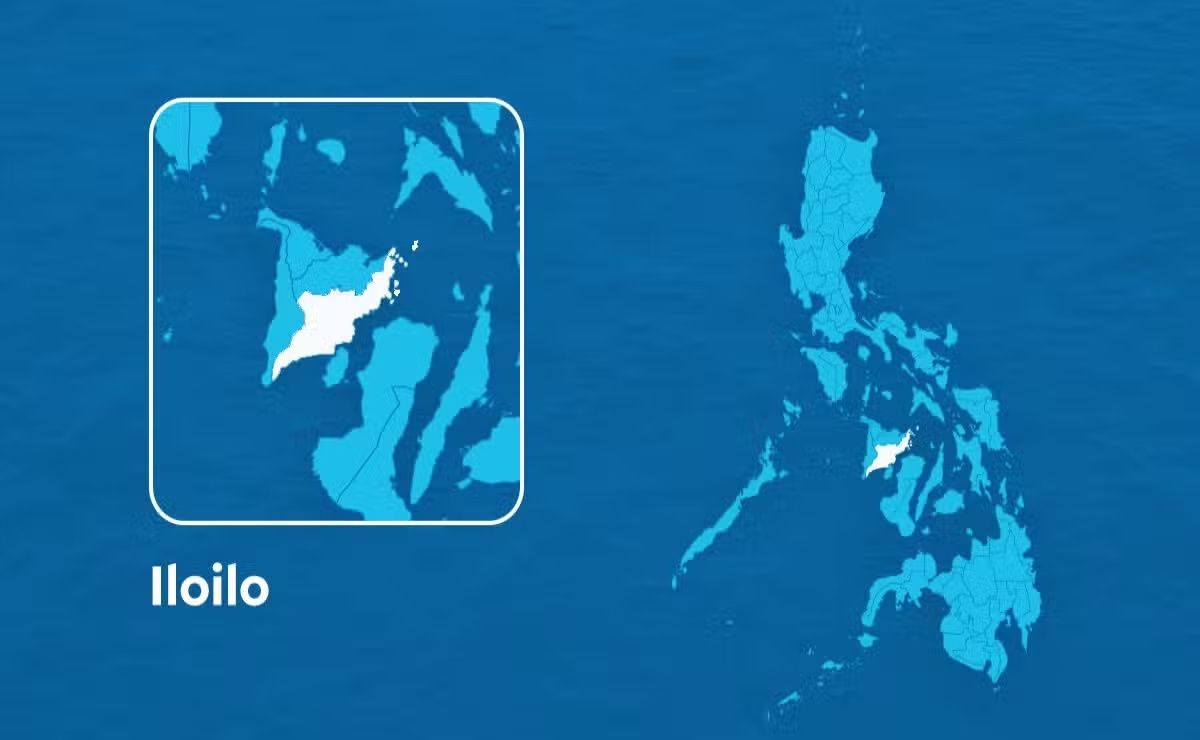
Rey Grabato II, an Ilonggo businessman thrust into the spotlight following his placement on the FBI's Most Wanted Fraudsters list, is currently in the Philippines, his family publicly acknowledged on Friday. The disclosure came a day after US federal authorities announced the charges, which include conspiracy to commit securities fraud, wire fraud, and conspiracy to defraud the United States in relation to tax matters. The announcement represents a significant development in what appears to be a complex financial investigation spanning international borders and touching on investment advisory operations.
The town mayor of Mina, Iloilo, who shares the same name as his son, confirmed that Rey Grabato II remains within Philippine territory, though he declined to elaborate on specifics regarding his son's whereabouts or circumstances. The elder Grabato's cautious approach to the matter underscores the sensitive nature of the situation, which has placed considerable strain on the family during what is described as a deeply challenging period. The mayor's reluctance to engage further with media inquiries suggests an attempt to manage public perception while navigating what is clearly a complex legal landscape.
Central to the family's public messaging is the assertion that Rey Grabato II is currently incapacitated by a severe stroke, which has left him with significant physical and cognitive limitations. In a statement released through his youngest brother Christopher Rey on Friday evening, the family disclosed that the businessman remains partially paralysed and faces ongoing difficulties with mobility, communication, and cognitive functioning. This medical dimension fundamentally shapes how the family has chosen to address the allegations, positioning his health crisis as the immediate concern rather than the federal charges.
The family further asserted that neither Rey Grabato II nor any authorised representatives acting on his behalf have received formal notice or summons from Philippine or American authorities. This claim suggests that while his name appears on the FBI's wanted list, the practical mechanisms for extradition or legal proceedings may not yet be in motion. The statement carries implications for understanding the current status of the case and raises questions about whether Philippine jurisdiction, diplomatic protocols, or his medical condition might complicate conventional enforcement procedures.
Christopher Rey Grabato's statement emphasised that the family's immediate priority centres on his brother's medical treatment and rehabilitation rather than addressing the allegations. He indicated that Rey II continues to receive ongoing medical care aimed at facilitating his recovery and improving his functional capacity. This positioning reflects a deliberate strategy to humanise the situation and appeal for public understanding during what the family characterises as an extraordinarily difficult period, though it simultaneously raises questions about how legal accountability might be pursued given his medical state.
The charges against Grabato relate primarily to his alleged involvement with the National Realty Investment Advisors (NRIA), an entity at the centre of the current controversy being investigated by federal prosecutors. The FBI announcement on Thursday detailed multiple counts spanning securities fraud, wire fraud, and tax-related conspiracy. However, the family's defence strategy appears to hinge significantly on characterising Grabato's role at NRIA as merely titular, suggesting that his involvement lacked substantive control or decision-making authority.
To support this contention, Christopher Rey cited a characterisation from Barron's, the financial publication owned by Dow Jones & Company, which referenced federal prosecutors describing Grabato's leadership position as essentially ceremonial rather than functional. This distinction, if accepted, could theoretically reduce culpability by suggesting he served a nominal role while actual governance and management fell to other parties. The strategy reflects an attempt to separate ceremonial titles from operational responsibility, a potentially critical differentiation in securities fraud cases.
Thomas Nicholas Salzano emerges as the apparent central figure in NRIA's actual operations, according to the family's narrative. Salzano has already been apprehended by federal authorities and presumed to face charges in connection with the same investigation. The family's emphasis on Salzano's role and prior capture appears designed to suggest that the principal actors in any fraudulent scheme have already been identified and detained, while Grabato's involvement remained peripheral. This framing attempts to contextualise the charges against Rey II within a broader investigation where other actors bear greater responsibility.
The situation raises significant questions about international law enforcement cooperation, particularly regarding how jurisdictions manage cases involving fugitives with serious medical conditions. The fact that Grabato remains in the Philippines rather than elsewhere suggests either a deliberate choice rooted in family ties and medical considerations, or an inability to flee further given his health status. For Malaysian readers and Southeast Asian observers, the case underscores the increasing reach of American financial crime enforcement and the complexities that emerge when such investigations involve regional actors operating across borders.
The family's public appeal for restraint and understanding appears calibrated to manage reputational damage while keeping the focus on medical rather than legal dimensions. Their refusal to engage substantively with the allegations themselves, instead emphasising procedural points about the absence of formal summons and casting doubt on Grabato's operational role, reflects a strategy that may shift depending on legal developments. The Philippines, as the jurisdiction where Grabato currently resides, will likely play a crucial role in determining whether formal extradition proceedings materialise or whether health considerations influence how authorities approach the matter.
The intersection of serious federal fraud allegations and catastrophic health crisis creates an unprecedented situation that tests conventional approaches to prosecuting white-collar crime. If Grabato's cognitive and physical limitations are genuine and verifiable, questions arise about his fitness to stand trial and participate in his own defence—considerations that could substantially alter the trajectory of legal proceedings. The coming weeks will likely determine whether authorities pursue conventional enforcement mechanisms or whether health and jurisdictional factors result in alternative approaches to addressing the allegations.

