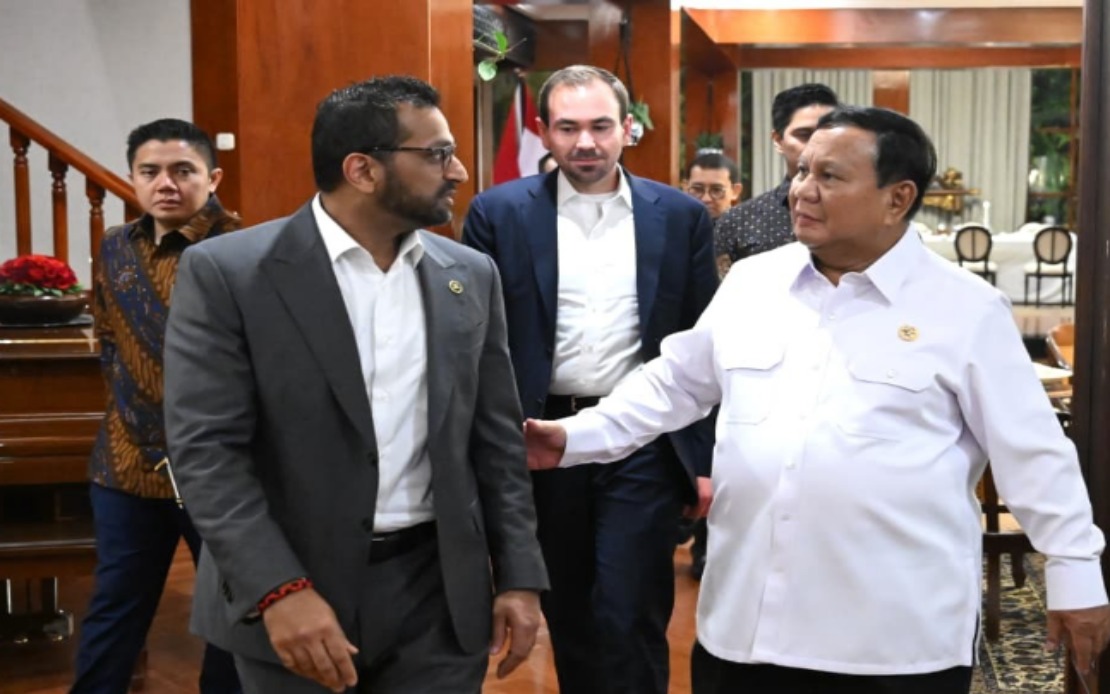
The Federal Bureau of Investigation has formally returned a collection of Indonesian cultural artefacts that were illegally smuggled into the United States, marking a significant moment in Jakarta's ongoing campaign to reclaim its dispersed cultural heritage. The handover took place when FBI Director Kash Patel visited President Prabowo Subianto at the presidential residence in Kertanegara, Jakarta, with Culture Minister Fadli Zon expressing Indonesia's determination to expand such repatriation efforts in coming years.
The recovered pieces represent the artistic and spiritual traditions of multiple indigenous communities across the Indonesian archipelago, particularly from Papua and the Lake Sentani region. Among the source cultures are the Dani and Asmat peoples, whose distinctive artistic practices have long attracted international collectors and, regrettably, smugglers seeking to profit from their cultural output. The objects themselves carry substantial historical weight, embodying centuries of knowledge transmission and community identity that extends far beyond their monetary value in illegal antiquities markets.
Fadli characterised the repatriation process as fundamentally about restoring Indonesia's cultural sovereignty and reasserting control over artefacts that form the backbone of national identity. The recovery followed rigorous provenance research that established definitive evidence of illegal trafficking, demonstrating the necessity of thorough documentation and international cooperation in combating cultural crime. This methodical approach contrasts sharply with the often murky world of antiquities smuggling, where objects frequently change hands multiple times with falsified paperwork designed to obscure their true origins.
The FBI's involvement reflects a broader American commitment to cultural heritage protection and restitution, roles the Bureau has increasingly assumed in recent years. Jakarta's diplomatic outreach to Washington on this issue has yielded tangible results, with the organisation assisting Indonesia in recovering not only these current artefacts but also previously stolen bronze statues and objects looted from significant cultural sites across the nation. This track record suggests the partnership has moved beyond symbolic gestures into substantive collaborative work.
Indonesia's cultural repatriation agenda holds particular resonance across Southeast Asia, where similar efforts are underway in countries like Thailand, Cambodia, and the Philippines to recover treasures dispersed during colonial periods and subsequent decades of trafficking. The success of Indonesian-American cooperation on this front may serve as a model for other regional nations negotiating with Western institutions and private collectors. Malaysia, with its own significant cultural holdings scattered internationally, observes these developments with interest as it considers its own repatriation strategies.
The decision to display recovered artefacts at Indonesia's National Museum reflects a deliberate curatorial and diplomatic choice. Rather than sequestering these objects in secure storage or returning them exclusively to source communities, the government has opted for public accessibility, allowing Indonesian citizens and international visitors to engage directly with material evidence of their nation's artistic sophistication. This approach balances institutional preservation with democratic access to cultural memory.
The underlying challenge remains formidable. Estimates suggest thousands of Indonesian artefacts remain in museums, private collections, and auction houses worldwide, many acquired during the colonial era when Dutch authorities systematically extracted objects from the archipelago. Even with enhanced international cooperation and improved legal frameworks for repatriation claims, the process of identifying, locating, and recovering these pieces proceeds slowly. Prabowo's administration, through Fadli's statements, has signalled that cultural recovery constitutes a diplomatic priority comparable to trade or security negotiations.
The FBI's personal involvement through Director Patel's visit underscores how repatriation has evolved from a purely curatorial matter into a diplomatic and even security concern for major powers. The United States has increasingly deployed cultural diplomacy as a tool for strengthening bilateral relationships, with heritage repatriation serving as a relatively low-cost gesture that yields substantial goodwill benefits. For Indonesia, securing American support for repatriation efforts creates leverage when negotiating with European nations and private collectors who have proven more reluctant to voluntarily return cultural property.
Fadli's explicit call for expanded cooperation suggests Indonesia intends to maintain momentum on this issue, likely proposing formal mechanisms for ongoing communication between Jakarta's cultural agencies and the FBI. Such arrangements could facilitate faster identification and recovery of smuggled objects, potentially enabling preventive action against active trafficking networks. The statement also implies involvement of Indonesia's State Secretariat and Foreign Ministry, indicating this repatriation agenda operates at the highest levels of government rather than remaining confined to cultural bureaucracies.
For Southeast Asian policymakers and cultural heritage professionals, Indonesia's approach demonstrates how persistent diplomatic engagement on cultural issues can produce measurable outcomes. The repatriation cooperation with the FBI also illustrates the importance of international law enforcement in combating cultural trafficking, a criminal enterprise that rivals drug smuggling in profitability. As regional economies develop and middle-class collectors proliferate, preventing new looting and smuggling becomes equally urgent as recovering historical losses.
The recovered artefacts themselves tell stories of craftsmanship, community values, and historical continuity that have survived centuries of upheaval. Their return to Indonesia represents not merely a material transaction but an affirmation that cultural heritage belongs with the communities that created and sustained it. As Jakarta pursues deeper partnerships with international law enforcement and foreign governments, the National Museum's exhibition space will increasingly serve as visible testimony to successful repatriation efforts and as inspiration for ongoing campaigns to bring Indonesia's dispersed cultural treasures home.

