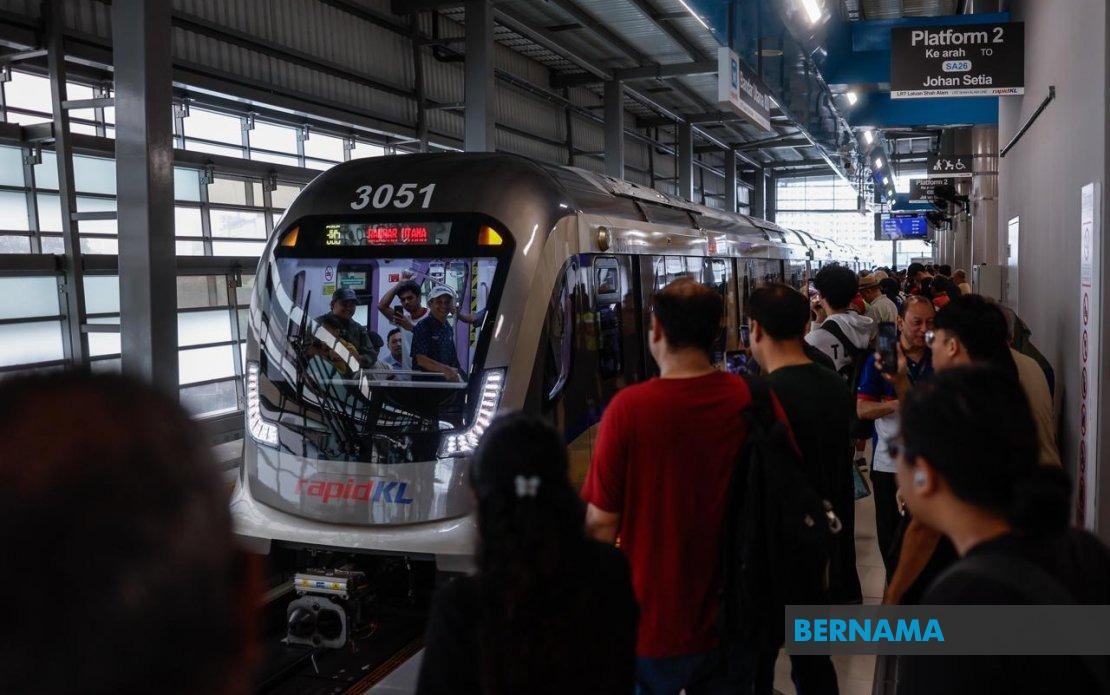
A defective component on a Light Rail Transit 3 train triggered an incident at Shah Alam Stadium Station on July 4, when it came into direct contact with the power conductor system. According to a statement from Rapid KL released on July 14, the technical malfunction resulted in a loud explosion-like sound accompanied by visible sparks, though fortunately no one sustained injuries from the occurrence.
The incident unfolded at 7:05 pm at the Shah Alam Stadium Station, a busy interchange point on the LRT3 Shah Alam Line serving commuters across the Selangor region. Despite the dramatic nature of the event—with passengers witnessing sparks and hearing a sharp detonation—the operator confirmed that service continuity was maintained throughout the incident. This swift response reflected the transit authority's established protocols for managing unexpected technical issues without disrupting the broader network's operations.
Immediate action was taken to ensure passenger safety and service continuity. The affected train was promptly removed from active service, with all passengers safely disembarked at the subsequent station along the line. Commuters were then transferred to an alternative train, allowing them to continue their journeys without significant delays. This seamless transition demonstrates Rapid KL's capacity to manage emergency situations while maintaining passenger convenience during rush-hour periods when the LRT3 experiences substantial ridership.
Following its withdrawal, the train underwent comprehensive inspection procedures at the maintenance depot. Technicians identified the faulty component responsible for the power conductor contact and proceeded with its replacement. The systematic diagnostic approach enabled the operator to pinpoint the precise source of the malfunction rather than applying blanket solutions, ensuring targeted remediation of the underlying issue.
Before returning the train to passenger service, Rapid KL conducted thorough safety validations to confirm the vehicle's operational integrity. Only after these inspections verified that the train met all safety standards was it cleared for return to the active fleet. This measured approach reflects industry best practices requiring multiple verification stages before reintroducing equipment following maintenance interventions.
Beyond addressing the immediate incident, Rapid KL initiated a broader preventive maintenance campaign across its LRT3 fleet. The operator conducted enhanced inspections and monitoring of other trains operating on the Shah Alam Line as a precautionary safeguard. This proactive stance aims to identify potential component degradation across similarly configured vehicles before they escalate into operational incidents, thereby reducing the likelihood of future disruptions stemming from comparable technical faults.
The incident highlights the critical importance of robust infrastructure maintenance protocols within Malaysia's rail transit systems. As ridership on the LRT3 Shah Alam Line continues to grow, with thousands of daily commuters depending on reliable service, equipment failures—however minor they may seem—warrant serious attention and swift remediation. The power conductor system is fundamental to the train's electrical operation, and any compromise in its integrity poses both operational and safety risks that demand immediate intervention.
Rapid KL's public emphasis on passenger safety as its foremost priority underscores the operator's commitment to maintaining confidence in the LRT3 system among the commuting public. Transparency regarding incidents, swift corrective action, and comprehensive follow-up inspections collectively strengthen the operator's credibility and reassure passengers that technical issues receive serious attention. In a competitive transit environment where reliability directly influences modal choice, such confidence-building measures carry significant strategic importance.
For the broader Malaysian public transportation sector, this incident and its resolution offer useful insights into incident management and preventive maintenance frameworks. As more rail infrastructure comes online—including extensions to existing lines and new projects—establishing consistent protocols for equipment inspection, fault identification, and safety verification becomes increasingly vital. The Shah Alam incident demonstrates that even advanced transit systems require vigilant oversight and rapid response capabilities to maintain safe, reliable operations.
Looking forward, the deployment of enhanced monitoring systems and condition-based maintenance approaches across the LRT3 network could further reduce the incidence of component-related disruptions. Predictive maintenance technologies that detect early signs of component degradation before failures occur represent the next frontier in ensuring uninterrupted service for the hundreds of thousands of daily commuters who depend on Kuala Lumpur's light rail system.

