The modern Malaysian family requires fathers to assume responsibilities that extend far beyond earning a paycheck. As lifestyles evolve and social pressures intensify, the National Population and Family Development Board (LPPKN) is urging men to embrace broader parenting duties, particularly in fostering emotional connections with their children and supporting their educational journeys. This shift reflects a fundamental reconceptualization of fatherhood in contemporary society, one that recognizes the cascading benefits of paternal engagement on family stability and children's development.
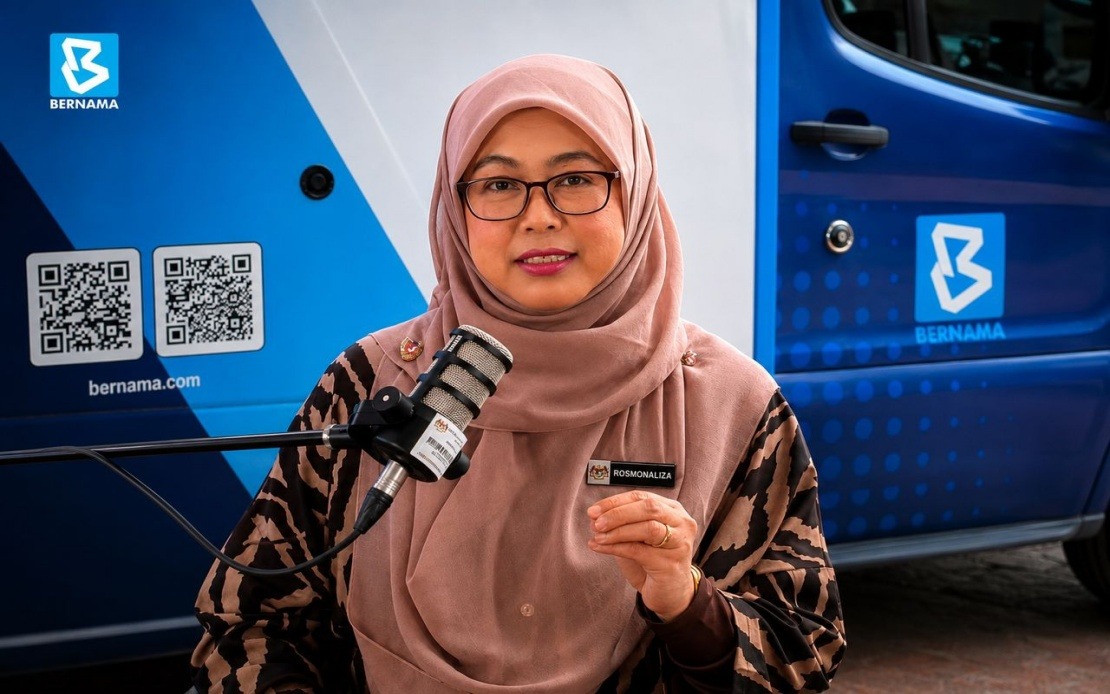
Rosmonaliza Abdul Ghani, director of LPPKN's Family Well-being Division, articulated this evolving definition at a recent podcast discussion. She emphasized that fathers have transitioned from being viewed solely as financial providers to becoming essential architects of harmonious, resilient family structures. This conceptual change acknowledges that children require more than material security; they need active emotional engagement, open dialogue, and consistent presence from the male parent figure. The transformation carries significant implications for how Malaysian men understand their responsibilities and how society structures support systems around them.
Effective family communication sits at the heart of this broader paternal engagement. Rosmonaliza stressed that meaningful dialogue between fathers and children cultivates trust, facilitates conflict resolution, and creates pathways for children to process their own emotions and challenges. In a society where many men were raised under more traditional hierarchical family models, developing these communication skills represents a deliberate departure from established patterns. The ability to listen actively, validate children's concerns, and express vulnerability without sacrificing authority requires conscious effort and often outside guidance.
Encouragingly, Malaysian men are demonstrating greater willingness to seek professional support in navigating parenting complexities. According to Rosmonaliza, increasing numbers of fathers are enrolling in counselling sessions—both individually and with their families—recognizing that requesting help strengthens rather than diminishes their parental effectiveness. This cultural shift away from the stoic provider stereotype opens crucial pathways for men struggling with financial stress, mental health challenges, or relationship difficulties. LPPKN has responded by expanding its arsenal of support services, offering counselling, therapeutic interventions, and personality assessments specifically designed to address the multifaceted pressures fathers encounter.
The organization deliberately cultivates a judgment-free environment where men can articulate their vulnerabilities and anxieties. Rosmonaliza underscored LPPKN's commitment to ensuring fathers never feel isolated in their struggles, a critical message in a society where masculine norms traditionally discourage emotional disclosure. By positioning the organization as a safe harbor for paternal concerns, LPPKN addresses a significant gap in Malaysia's family support infrastructure, recognizing that fathers' mental health and emotional resilience directly impact their capacity to nurture their children effectively.
The consequences of absent or disengaged fathers ripple through Malaysian communities in measurable ways. Social work professionals specializing in urban poverty and at-risk youth consistently identify the absence of active father figures as a foundational risk factor for downstream problems. Drug addiction among household heads, economic precarity, and family dissolution frequently trace their origins to paternal disengagement or incapacity. These cascading social challenges—manifesting in substance abuse among young people, school dropout rates, and criminal behavior—often stem from homes where fathers have either physically vanished or emotionally withdrawn from their children's lives.
Addressing paternal dysfunction requires sophisticated, compassionate approaches rather than purely punitive interventions. As noted in discussions around outreach strategies, men struggling with ego or shame often respond more constructively to dignity-preserving engagement grounded in compassion and shared values. Approaches anchored in religious principles and family-centered ethics prove particularly effective in helping men reclaim their role as household leaders who prioritize their children's welfare over their own wounded pride. This reframing transforms the narrative from one of masculine failure into an opportunity for redemptive transformation.
Spousal and filial support constitutes an underestimated resource in helping fathers manage life's accumulated pressures. Rosmonaliza articulated the crucial truth that children should not defer appreciation for paternal sacrifice until bereavement or irretrievable loss forces recognition. Instead, families function optimally when children acknowledge their father's efforts contemporaneously, creating positive reinforcement cycles that encourage continued engagement. Simultaneously, mothers and children must create emotional space for fathers to share their burdens rather than assuming men possess infinite resilience or that vulnerability represents weakness.
Quality time investment often supersedes material provision in shaping children's psychological security and developmental trajectories. A father's consistent presence—whether during homework sessions, recreational activities, or simply candid conversations—communicates to children that they matter more than career advancement or financial accumulation. This presence builds foundational confidence and emotional safety that manifests across academic performance, peer relationships, and future romantic partnerships. The message extends beyond individual families to reshape societal values around what successful fatherhood actually entails.
The broader Malaysian context sees these discussions gaining traction amid demographic shifts and evolving family structures. Urban families increasingly navigate dual-income arrangements, changing gender norms, and diverse household configurations. Within this landscape, fathers who actively participate in emotional labor and educational support become anchors for family stability. The LPPKN's advocacy represents institutional recognition that supporting fathers benefits not merely individual men but strengthens the foundational institutions upon which social cohesion depends.
Moving forward, normalizing paternal vulnerability and emotional investment requires sustained cultural messaging and accessible support infrastructure. Malaysian fathers need tangible resources—whether parenting workshops, mental health services, or peer support networks—that equip them to thrive in expanded roles. Schools, workplaces, and community organizations must create conditions allowing men to prioritize family engagement without sacrificing economic security or professional advancement. The transformation from breadwinner-centric fatherhood to emotionally involved parenting represents not a rejection of male financial responsibility but a genuine expansion of what fatherhood encompasses in contemporary Malaysia.

