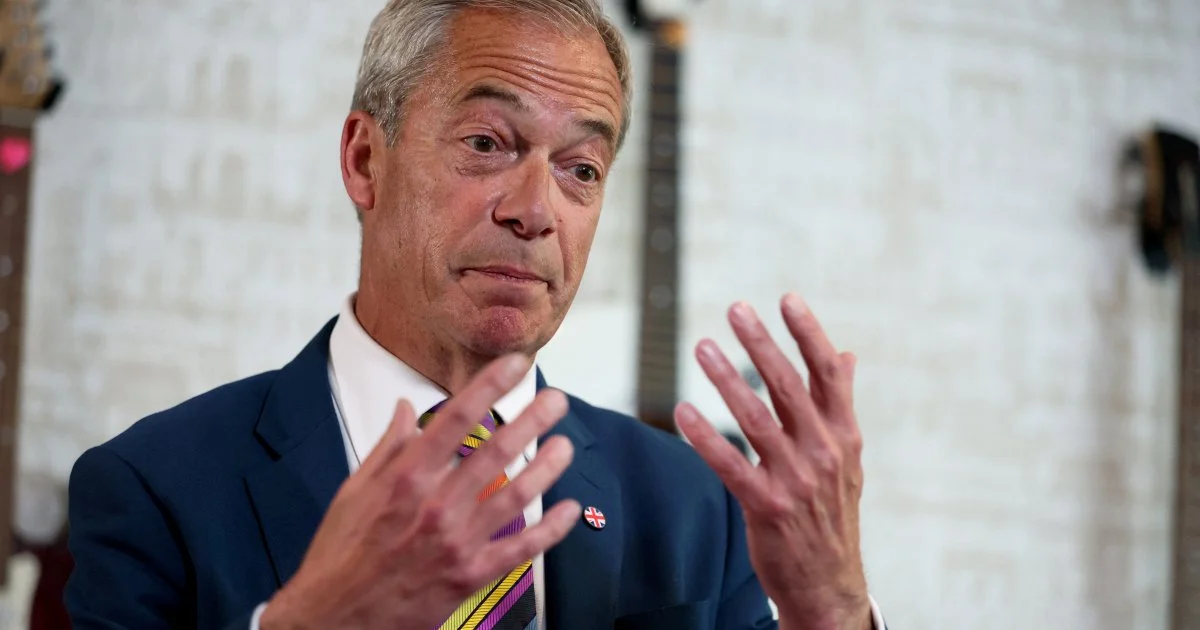
The British hard-right politician Nigel Farage has found himself at the centre of a fresh controversy concerning the proper disclosure of financial gifts, with allegations emerging that his security and staffing arrangements were underwritten by a man with a criminal conviction for fraud. The claims, published on Sunday, add another layer of complexity to an already contentious period for the politician, who has long cut a polarizing figure in UK politics through his high-profile role in the Brexit campaign and subsequent political ventures.
The allegations centre on payments made prior to Farage's election to Parliament, suggesting a potential gap in how such financial arrangements were transparently reported to relevant authorities. The involvement of someone with a fraud conviction raises particular concerns about the sources of funding for his political activities and the mechanisms—or apparent lack thereof—for declaring such support. The timing of these revelations comes as Farage continues to navigate increasing scrutiny from media outlets and political opponents over various aspects of his financial dealings and campaign arrangements.
For Malaysian and Southeast Asian observers, the Farage situation offers instructive parallels to governance debates familiar throughout the region. Questions around political funding transparency, the relationships between public figures and wealthy benefactors, and the adequacy of disclosure mechanisms resonate deeply across a range of democracies grappling with similar accountability challenges. The scrutiny facing established Western politicians demonstrates that concerns about financial propriety in politics transcend borders and reflect broader anxieties about whether regulatory frameworks keep pace with modern political organization.
The nature of the allegations—specifically that security costs and staff salaries were covered by an external party rather than Farage himself—suggests potential breaches of parliamentary gift registration requirements. Such rules, while often technical and specialized, exist to prevent hidden influence over elected officials and to ensure the public knows who funds political activity. The reported involvement of someone with a fraud conviction compounds the reputational damage, as it raises questions not merely about procedural compliance but about the judgment and due diligence applied in accepting such support.
Farage's political career has been marked by controversy on multiple fronts. His instrumental role in mobilizing the Brexit campaign brought him substantial media attention and financial support from various quarters, though questions about some funding sources have periodically surfaced. This new allegation fits within a broader pattern of scrutiny that has dogged his political operations, suggesting either systematic oversights in his administrative structures or, more problematically, deliberate opacity in financial arrangements.
The significance of these allegations extends beyond Farage personally. They highlight structural vulnerabilities in how gift and funding declarations operate within the UK political system. If wealthy individuals or those with questionable backgrounds can effectively sponsor a politician's support infrastructure without transparent disclosure, this undermines public confidence in the integrity of democratic processes. The rules exist precisely to prevent scenarios where unregistered financial interests might quietly accumulate influence over elected representatives.
In the Southeast Asian context, where political funding and transparency remain contentious issues in several countries, the Farage case demonstrates that even established democracies with longer histories of institutional development continue struggling with adequate oversight mechanisms. Malaysia's own experience with political funding debates and the implementation of the Political Financing Act reflects similar tensions between transparency imperatives and the realities of modern political campaigns. The fact that a prominent figure in a mature democracy faces such allegations suggests these are not merely problems of newer or developing systems but challenge all democracies.
The newspaper that reported the allegations has not named the fraudster involved, though the specificity of the claims suggests sources with detailed knowledge of the arrangements. This raises questions about what other undisclosed funding relationships might exist beyond those currently in public view. Regulatory bodies will likely face pressure to investigate whether a single breach points to broader patterns of non-compliance or whether this represents an isolated incident subsequently corrected.
For Farage, the allegations arrive at a sensitive moment. His political movements have periodically faced questions about internal governance and organizational integrity. The Reform UK party, which he has led, operates within the broader British political landscape where media scrutiny of funding sources has intensified significantly over recent years. These developments also occur amid broader conversations about how Britain regulates campaign financing and gift disclosure more generally.
The response from Farage and his representatives will be closely watched, both in Westminster and internationally. Whether he moves swiftly to clarify the circumstances, identifies procedural failings requiring correction, or contests the allegations will significantly influence how the controversy develops. The credibility of explanations offered will matter substantially to parliamentary authorities and potential regulators examining whether formal investigations are warranted.
Ultimately, the episode reinforces that political funding transparency remains an evolving and contested domain even in democracies with established institutional frameworks. For Malaysian stakeholders interested in comparative governance, the case illustrates that no political system can afford complacency regarding financial accountability. The Farage allegations suggest that maintaining robust disclosure requirements and enforcing them consistently requires constant vigilance and adaptation to changing political practices and circumstances.

