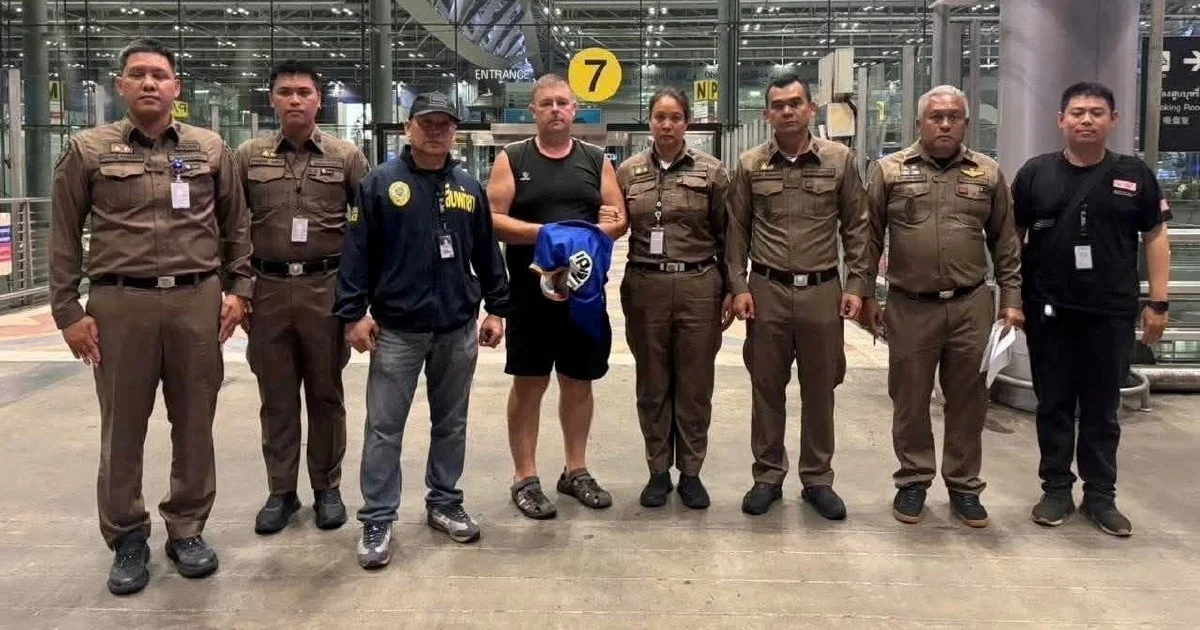
A Thai family is grieving the loss of their 17-year-old daughter after her body was discovered inside a suitcase in Pattaya, prompting authorities to arrest and charge an Australian man with her murder. The discovery has sent shockwaves through the popular coastal resort town and raises troubling questions about the safety of young people in tourist-dependent communities across Thailand.
The circumstances surrounding the teenager's death remain under investigation by Thai police, who moved swiftly to apprehend the foreign suspect. The case underscores ongoing concerns about violent crimes involving both Thai nationals and foreign visitors in areas heavily frequented by international tourists. Pattaya, situated roughly 150 kilometres southeast of Bangkok along the Gulf of Thailand, has long attracted thousands of foreign visitors annually, though the city has also struggled with maintaining public safety in certain areas.
For Malaysian readers familiar with Thailand's tourism landscape, this incident reflects a darker reality beneath the veneer of popular holiday destinations. Like Malaysia's own resort areas and beach towns, Thai coastal cities face challenges in protecting vulnerable populations, particularly young people who may be economically disadvantaged or socially isolated. The case draws attention to the complex dynamics of crime in regions where significant wealth disparities exist between foreign tourists and local residents.
The family's statement of devastation points to the profound human tragedy at the centre of this investigation. In Thai culture, where family bonds carry deep significance, the loss of a child represents not merely personal grief but a rupture in the family's social fabric and future prospects. The public nature of such a discovery—and the involvement of a foreign national—amplifies the family's suffering and subjects them to intense media scrutiny at their most vulnerable moment.
The arrest of an Australian national in connection with the death highlights the international dimensions of crime in Southeast Asia's tourism sector. Thailand regularly hosts visitors from Australia, and the case will likely attract considerable attention in both countries. It serves as a stark reminder that violent crime knows no borders and that tourists, regardless of nationality, can become perpetrators rather than merely victims of criminal activity in foreign destinations.
Thailand's legal system has been called upon to deliver justice in this case. The murder charge brought against the Australian suspect indicates that investigators have gathered sufficient evidence to proceed with prosecution. The Thai judiciary, while generally considered competent, occasionally faces international scrutiny regarding the fairness of trials involving foreign nationals, particularly in high-profile cases that attract media attention and public outcry.
For Malaysian observers, this tragedy echoes broader regional discussions about tourism safety and the need for robust law enforcement in popular destination areas. Both Thailand and Malaysia depend substantially on international tourism revenue, creating inherent tensions between welcoming visitors and protecting residents. The incident underscores the importance of maintaining effective police presence in vulnerable communities and ensuring that young people have access to support services and safe spaces.
The investigation into the exact circumstances of the teenager's death will likely reveal important details about how she came to be in the suitcase and what events preceded her death. Such investigations typically involve forensic examination, witness interviews, and reconstruction of movements in the days or weeks leading up to the discovery. The evidence gathered during this phase will be crucial in determining whether the suspect had accomplices or acted alone.
This case also raises questions about how young people in economically struggling areas of Thailand become vulnerable to exploitation or violence. Social workers and child protection advocates across Southeast Asia have long highlighted how poverty and limited opportunities can create dangerous situations for teenagers. The involvement of a foreign national in this tragedy may indicate either a chance encounter or a more deliberate predatory situation, details that will emerge as the case progresses through Thailand's legal system.
The impact of this incident extends beyond the immediate family to the broader Pattaya community and Thai society. High-profile violent crimes involving foreign nationals can affect tourism perception and prompt discussions about visitor safety, though they also invariably raise questions about the safety of local residents themselves. The case will likely prompt renewed calls for stronger community policing initiatives and improved social services in tourist-dependent areas.
As the legal proceedings unfold, the family will face the challenging path of seeking justice through Thailand's court system while managing their grief. International attention to the case may provide some assurance that the investigation receives thorough scrutiny, though it may also intensify the family's public exposure during a deeply private tragedy. The outcome of the Australian suspect's trial will be closely watched by observers across Southeast Asia who are concerned with ensuring that justice is served fairly and that such tragedies are prevented in future.

