The family of Mohd Fakhrul Munir Mohd Isa, a 44-year-old member of the Malaysian Fire and Rescue Department's elite special forces unit, is clinging to hope as search efforts continue in the aftermath of catastrophic flash floods and landslides that swept through Rasuwa district in Nepal. With communication severed and his whereabouts unknown, his relatives have adopted a stance of cautious optimism while bracing themselves for possible developments, reflecting the agonizing limbo faced by families of those caught in natural disasters across international borders.
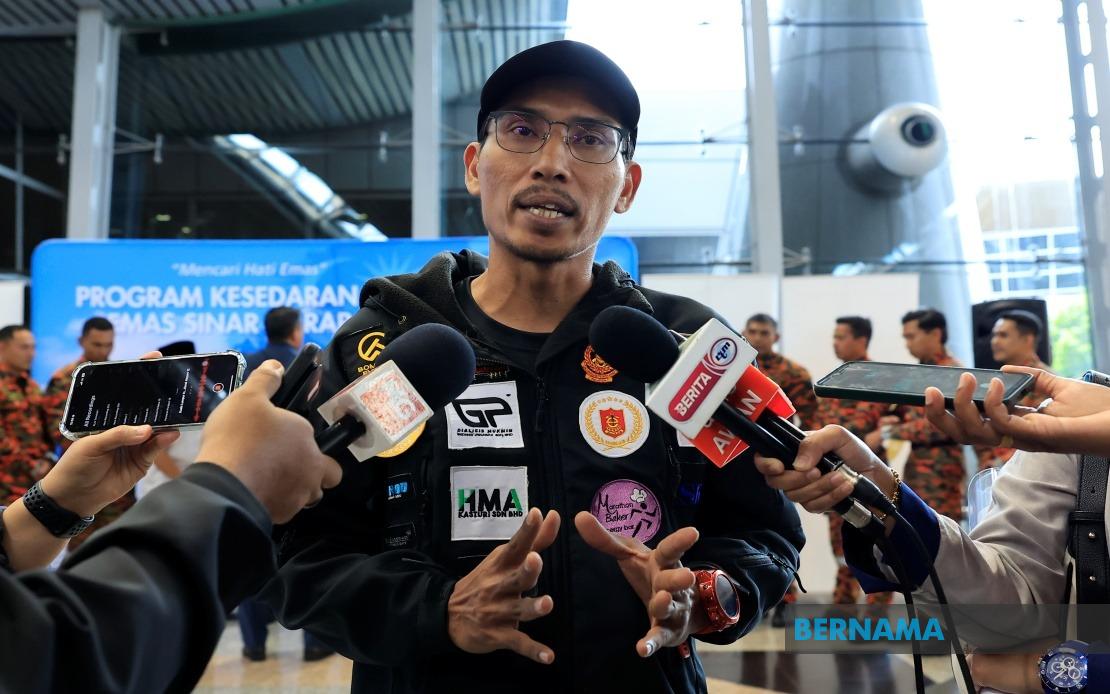
Mohd Saiful Munir Mohd Isa, the missing firefighter's brother, conveyed the family's determination to remain positive despite the grim circumstances. Speaking to reporters, he attributed the communication blackout not to any sinister cause but to the sheer scale of the environmental catastrophe that has engulfed the region. Mohd Saiful Munir, himself an operations officer at the Port Klang Fire and Rescue Station, acknowledged the weight of uncertainty while emphasizing the family's reliance on continuous prayer and official updates from authorities managing the disaster response.
The missing firefighter, affectionately known as Loe, earned recognition as a professional climber whose passion for mountaineering transcended his day job within the rescue services. His brother revealed that Nepal held profound significance in Loe's life, functioning as a second home where he pursued climbing expeditions multiple times annually. This frequency of travel underscored how the expedition was entirely consistent with his established pattern of outdoor adventures, rather than an anomalous undertaking that might have raised red flags within the family.
According to Mohd Saiful Munir, the last meaningful contact with Loe occurred approximately one week before his departure for Nepal, leaving the family with limited recent information about his mindset or specific preparations for this particular journey. The family's understanding of the group's planned itinerary suggested they were likely positioned in valley areas when the disaster struck, transforming what should have been a manageable mountaineering experience into a life-threatening situation where geography itself became a barrier to rescue operations.
The tragedy encompasses a broader contingent of Malaysians affected by the Rasuwa flooding. A group of ten Malaysian citizens were en route to Everest Base Camp when the environmental catastrophe unfolded, with two confirmed to be members of the Fire and Rescue Department. Besides Mohd Fakhrul Munir Mohd Isa, the other uncontactable officer has been identified as Mohd Sani Harul, deputy director of the Planning and Research Division, according to JBPM director-general Datuk Seri Nor Hisham Mohammad.
The geographical reality of high-altitude disaster response presents extraordinary challenges for coordinating rescue operations across international boundaries. Nepal's mountainous terrain, combined with infrastructure damage from flooding and landslides, creates communication and logistical obstacles that complicate efforts to locate and extract survivors. For Malaysian families and the JBPM hierarchy alike, the absence of information amplifies anxiety, yet also prevents premature assumptions about outcomes that remain genuinely uncertain.
Mohd Saiful Munir characterized the situation as one where his brother should be regarded as trapped rather than missing in any conventional sense. This reframing proves psychologically and operationally significant, as it suggests the firefighter likely remains alive but unable to communicate through normal channels due to environmental conditions rather than personal misfortune. This distinction, however subtle, offers the family a rational framework for maintaining hope while acknowledging the severity of their circumstances.
The incident illuminates broader questions about risk management for Malaysian officials and emergency responders who undertake high-altitude expeditions internationally. While recreational mountaineering represents a legitimate personal pursuit, the involvement of two Fire and Rescue Department officers raises considerations about institutional protocols, insurance coverage, and institutional liability when government employees engage in adventurous activities abroad. The JBPM's apparent acceptance of such expeditions by its personnel suggests confidence in their professional competence, yet also underscores how even trained professionals remain vulnerable to sudden environmental catastrophes.
For Southeast Asian nations with citizens regularly undertaking expeditions in the Himalayas and other challenging alpine environments, this incident serves as a sobering reminder of the potential consequences. Malaysia's diplomatic channels with Nepal will undoubtedly be activated to facilitate whatever rescue and recovery operations remain possible, drawing upon regional cooperation frameworks that are essential when disasters cross national boundaries. The coordination between Malaysian authorities, Nepali rescue services, and international mountain rescue specialists represents the complex humanitarian response machinery required in such situations.
The family's measured response, balancing hope with realism, reflects both emotional maturity and an understanding that active catastrophic scenarios demand psychological preparedness for multiple possible outcomes. By refusing to abandon hope while simultaneously acknowledging the possibility of tragedy, Mohd Saiful Munir and his relatives model the difficult equilibrium that disaster-affected families must navigate. Their commitment to relying exclusively on official information rather than speculation or rumor demonstrates discipline that could serve as a template for other Malaysian families facing similar agonizing uncertainties when loved ones become unreachable in distant parts of the world.

