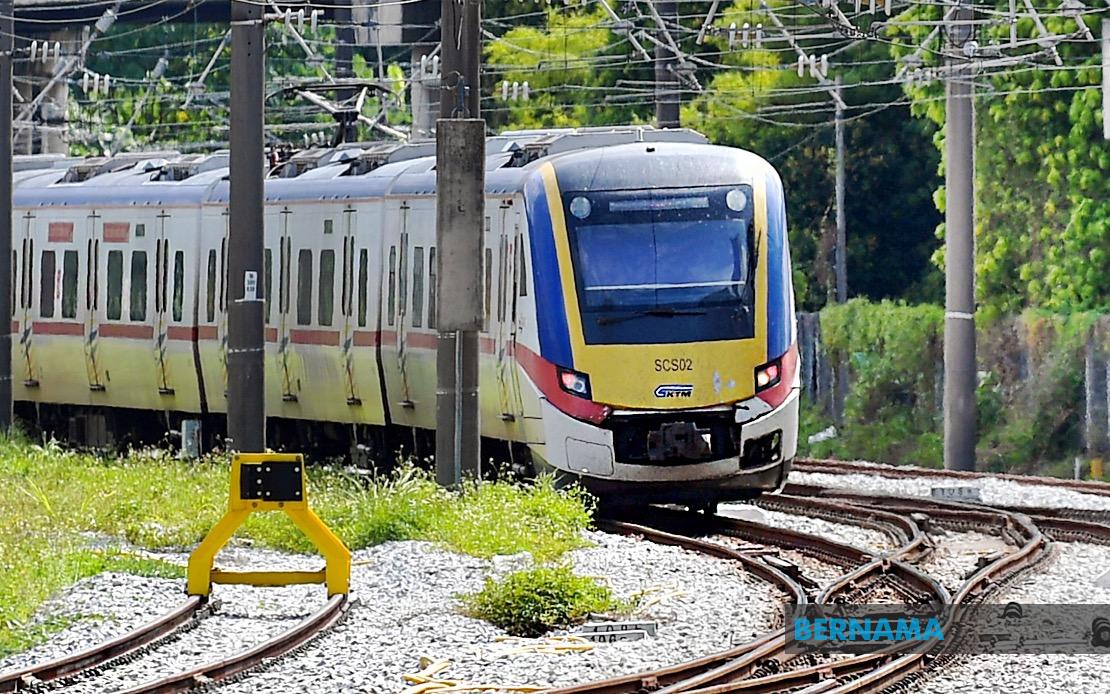
Malaysia's railway network faced significant operational disruptions on July 23 when a wooden construction structure collapsed onto tracks near Batang Benar, damaging critical overhead power infrastructure that serves both the Klang Valley commuter network and long-distance express rail services. The incident, which stemmed from third-party construction work, immediately severed power supply to the overhead line system positioned between Batang Benar and Labu stations, forcing Keretapi Tanah Melayu Berhad (KTMB) to suspend services across a substantial section of its rail network.
The operational impact extended across multiple rail routes and affected thousands of daily commuters relying on these essential transport corridors. KTM Komuter services originating from Pulau Sebang and heading towards KL Sentral have been rerouted to terminate at Seremban Station, whilst trains bound for either KL Sentral or Batu Caves are now operating solely from Bangi Station onwards. Most severely, the section between Bangi and Seremban stations saw a complete suspension of service, leaving commuters stranded without their primary transit option for what could prove to be an extended period.
To mitigate the transport crisis facing the affected corridor, KTMB mobilised emergency response measures including shuttle bus services that commenced operations across the impacted zone. Three dedicated shuttle buses were deployed to operate between Seremban, Tiroi, Batang Benar, Labu and Bangi stations, providing an alternative transport bridge for KTM Komuter passengers. The operator simultaneously arranged seven additional shuttle buses positioned at major rail terminals including KL Sentral, Bandar Tasik Selatan, Kajang and Seremban to accommodate Electric Train Service (ETS) passengers requiring onward or return journeys.
For passengers unable or unwilling to continue their journeys using alternative transport, KTMB extended a financial concession allowing ETS travellers to claim full refunds at their departure stations, acknowledging the service disruption and offering passengers flexibility in their travel decisions. This compensation measure underscores the severity of the incident and KTMB's recognition of passenger hardship caused by infrastructure damage beyond their direct operational control.
In its formal investigation findings, KTMB identified systemic safety compliance failures by the Public Works Department (JKR) contractor executing the wayleave project. The contractor failed to submit comprehensive documentation outlining the work schedule and, critically, did not provide KTMB with advance notification of the precise timing for bridge construction activities scheduled on the incident day. These omissions represent fundamental breaches of established railway operational protocols designed specifically to prevent such catastrophic outcomes.
Under KTMB's established Site Entry Permit Standard Operating Procedure, the presence of three designated technical representatives from distinct departments—the Regional Engineer, Signalling and Communications, and Electrification divisions—is mandatory once full project approval has been granted and comprehensive documentation submitted. The contractor's failure to trigger this mandatory oversight mechanism left the railway infrastructure vulnerable to the negligent practices that ultimately caused the structural collapse. This procedural breakdown highlights a critical gap between regulatory frameworks and enforcement mechanisms in construction projects occurring within railway corridors.
The incident raises broader questions about coordination and accountability in infrastructure projects conducted near critical national transport assets. Malaysia's rail network supports substantial daily passenger volumes and serves as a backbone for regional economic activity, making disruptions costly not merely for individual commuters but for broader supply chains and commercial operations dependent on reliable rail connectivity. The involvement of a government department contractor adds an additional layer of accountability, as public sector entities are expected to demonstrate exemplary compliance with safety protocols.
KTMB's technical teams commenced restoration efforts immediately upon discovering the damage, focusing on repairing the compromised overhead line system to reinstate normal service operations. The timeline for complete restoration remained uncertain as damage assessment and repair complexity would determine recovery duration. Passengers were directed to monitor official KTMB social media channels and consult station staff for real-time service status updates, reflecting the operator's strategy of maintaining transparent communication throughout the crisis.
The incident underscores vulnerability points in Malaysia's railway infrastructure where third-party construction activities intersect with operational rail corridors. Despite established safety procedures and permitting systems, the incident occurred, suggesting either inadequate contractor training, insufficient enforcement of compliance requirements, or gaps in pre-work coordination mechanisms. Future prevention requires not merely procedural refinement but strengthened verification that contractors understand and implement safety obligations before commencing work near railway assets.
For commuters in the Klang Valley and users of long-distance ETS services, the disruption served as a reminder of the fragility of transport networks when infrastructure maintenance and construction projects lack rigorous safety oversight. KTMB's apology acknowledged both the inconvenience and its commitment to passenger safety, though it simultaneously flagged systemic failures in the construction oversight process that contributed to the incident. Resolving such disruptions will require enhanced coordination between KTMB, the Public Works Department, and construction contractors to ensure that safety protocols translate from documentation into consistent operational practice.

