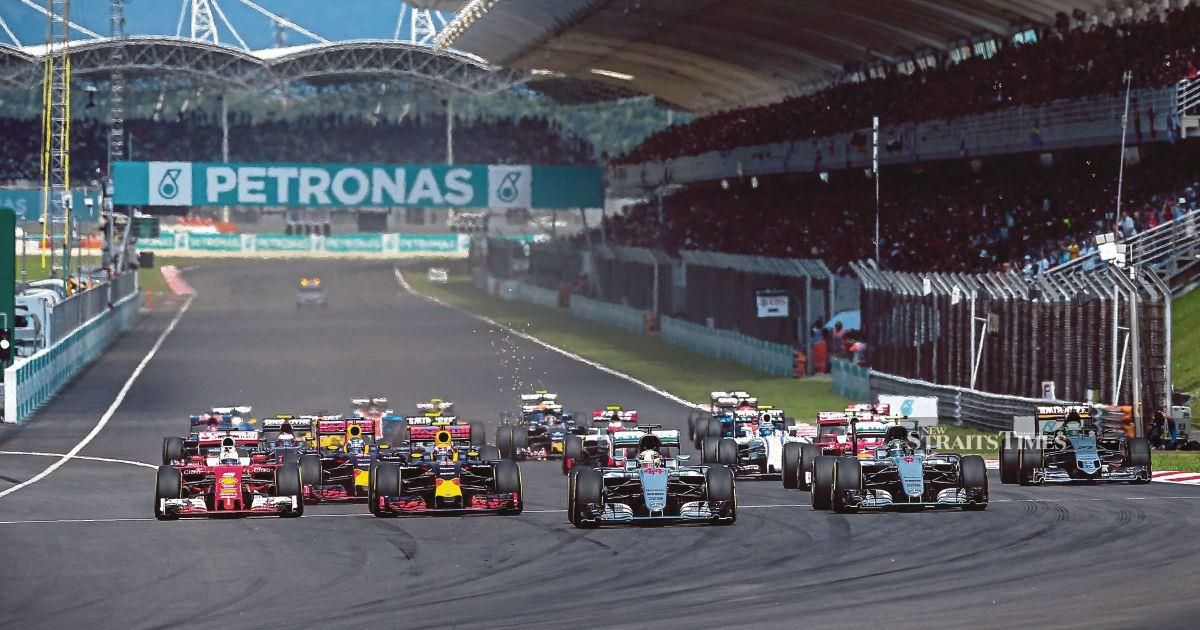
Prime Minister Datuk Seri Anwar Ibrahim has unveiled a pricing initiative designed to broaden participation in one of motorsport's most glamorous spectacles, announcing special Madani-branded tickets priced from RM200 as Formula 1 makes its return to the Sepang International Circuit in October. The move reflects government efforts to ensure that the prestigious international racing calendar remains accessible beyond the wealthy elite, positioning the F1 Grand Prix as a shared national experience rather than an exclusive luxury event.
The RM200 entry point represents a deliberate strategy to lower barriers to attendance, allowing middle-income Malaysians and motorsport enthusiasts who might otherwise sideline the event due to cost to participate directly. By creating multiple pricing tiers anchored around the affordable Madani brand, organisers aim to fill grandstands with domestic supporters whose passion for racing might not have translated into ticket purchases under standard commercial pricing structures. This approach acknowledges that sustained success for F1 in any market depends not merely on attracting international tourists and corporate sponsors, but on building a loyal local fanbase who return year after year.
The formula of pairing accessibility with prestige carries particular significance for Malaysia's international standing. The Sepang circuit has long served as a showcase for domestic engineering capability and organisational excellence on the global stage. When the F1 calendar includes a Malaysian round supported by enthusiastic local crowds, it sends a signal that the country can host world-class events competently. Conversely, struggling attendance undermines that narrative, suggesting diminished national interest or organisational capacity. The Madani tickets directly counter any such perception by systematising outreach to budget-conscious segments of the population.
From an economic perspective, this pricing architecture creates downstream benefits across multiple sectors. Ticket buyers require transport to the Sepang venue, generating revenue for ride-sharing services, public transport operators, and parking facilities. Many visitors spend on food, beverages, and merchandise during their time at the circuit, supporting hospitality providers and merchandise vendors. Hotels in proximity to the venue benefit from overnight stays, particularly for international visitors combining the Sepang round with broader Malaysian tourism. This multiplier effect transforms the F1 weekend from an isolated sporting event into a significant economic pulse for the Klang Valley region.
The Madani initiative also reflects evolving thinking within the Anwar administration regarding inclusive economic participation. The Madani framework, which emphasises prosperity shared across different income levels and demographic groups, extends naturally into how government supports major entertainment and sporting events. Rather than allowing F1 to remain stratified by price—with premium seating for the wealthy and corporation hospitality packages monopolising prime sightlines—the RM200 ticket ensures that working families can experience the spectacle directly. This philosophical consistency between rhetorical priorities and practical implementation strengthens the credibility of Madani commitments beyond formal policy documents.
Malaysia's motorsport infrastructure has matured considerably since the circuit first hosted F1 in 1999. The Sepang International Circuit has undergone multiple upgrades over two decades, with facilities now meeting international standards for safety, spectator comfort, and broadcast capability. These improvements justify competitive positioning within F1's Asian calendar, particularly as the sport considers expansion in emerging markets. A well-attended October round featuring strong local engagement reassures Liberty Media and potential commercial partners that investment in Malaysia remains sound, potentially securing the country's continued presence in future calendars despite the rise of alternative venues across Asia.
The October timing offers additional context worth considering. As Malaysia's weather transitions into the monsoon season, outdoor events face genuine climatic challenges. Pricing tickets affordably partly compensates for environmental conditions that international visitors might find less appealing than, say, September racing in more temperate regions. By making attendance financially accessible to locals, organisers mitigate any attendance shortfall arising from weather patterns, creating fuller grandstands regardless of climate variables. This practical problem-solving distinguishes the Madani approach from purely aspirational pricing strategies.
Previously, Malaysian F1 rounds experienced fluctuating attendance correlating closely with local economic conditions and preceding or following commercial cycles. Ticket price reductions have historically corresponded with improved turnout, suggesting that demand elasticity favours accessibility pricing even among motorsport enthusiasts. The RM200 threshold sits comfortably within ranges that middle-income households can justify for special entertainment experiences, pricing the event alongside premium concert tickets or international sporting fixtures rather than positioning it as accessible only to significant discretionary spenders.
Beyond the headline price point, the Madani branding itself carries political and social significance. Associating affordable F1 access with the government's broader developmental framework creates psychological linkage between economic populism and national pride. Malaysians attending F1 under Madani tickets become, in a sense, participants in a government initiative rather than merely consumers making individual purchasing decisions. This framing strengthens emotional investment in the event's success while subtly reinforcing messaging around inclusive governance.
Looking forward, the sustainability of this pricing model depends on managing operational costs without compromising event quality. Organisers must balance affordability for domestic audiences against the premium pricing required from international visitors and corporate hospitality clients. Achieving this balance successfully could establish a template for other major events in Malaysia, demonstrating that accessibility and financial viability need not exist in permanent tension. Should the October round succeed in attracting substantial crowds at RM200 price points, subsequent Malaysian F1 rounds might build on this precedent, cementing domestic motorsport culture whilst maintaining the event's global significance.

