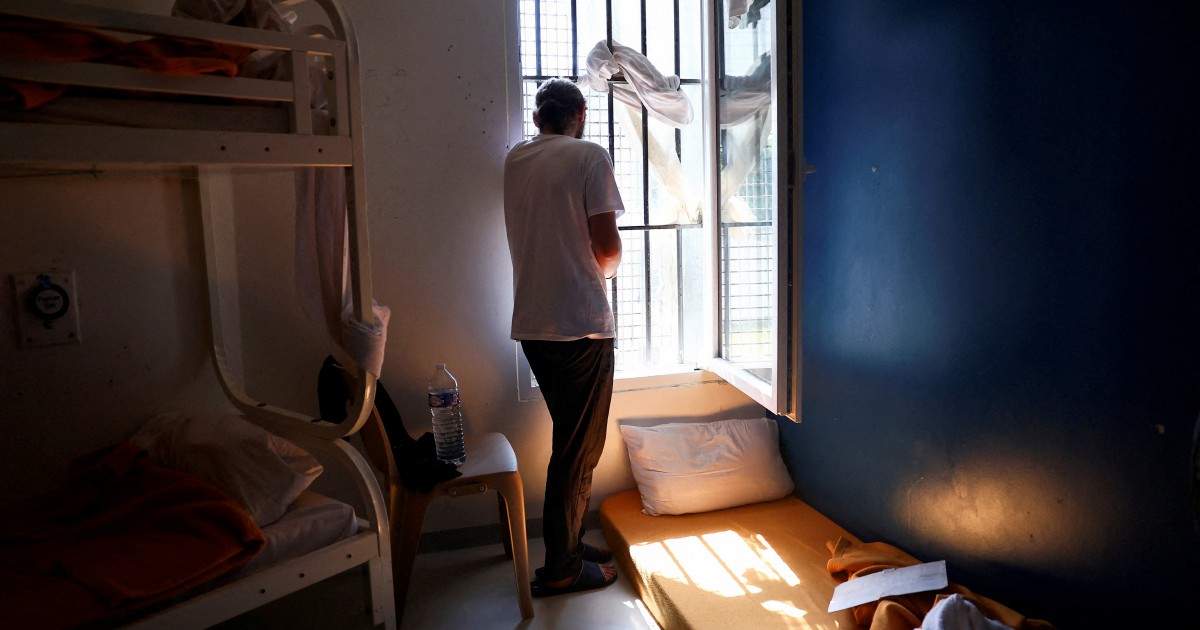
A prisoner in a sweltering French jail, surrounded by wet towels draped ineffectually across his cell window during a 37-degree Celsius heatwave, recently illustrated a crisis that extends across the European continent. As temperatures consistently reach dangerous levels during summer months, the inadequacy of prison infrastructure and chronic overcrowding are no longer abstract concerns—they have become a matter of immediate safety and human dignity. For Malaysian readers accustomed to tropical climates, the European prison system's inability to manage heat may seem surprising, yet the underlying problem reflects decades of systemic neglect and insufficient investment in custodial facilities.
The convergence of aging prison infrastructure, rising inmate populations, and unprecedented climate conditions has created a dangerous situation that prison administrators, policymakers, and human rights advocates across Europe can no longer ignore. Many European detention facilities were built decades ago, often before modern cooling systems became standard in public buildings. These aging structures lack adequate ventilation, proper insulation, and climate control systems necessary to maintain livable conditions during extended heat events. The infrastructure problem is compounded by a second critical issue: prisons across the continent are operating significantly above their intended capacity, meaning that cells designed for individual occupancy often house multiple inmates, severely limiting personal space and air circulation.
France represents a particularly acute flashpoint in this growing crisis. French prisons have long struggled with overcrowding, and the country's summer heatwaves have transformed routine incarceration into a potentially life-threatening experience. Inmates resort to improvised cooling methods—wet towels, makeshift fans, reduced physical activity—that provide only minimal relief. The heat exacerbates existing tensions within facilities, increases medical emergencies, and disproportionately affects vulnerable prisoners, including those with chronic health conditions, elderly inmates, and individuals with mental health challenges. Prison authorities find themselves managing an impossible situation: maintaining security and order whilst simultaneously attempting to protect inmate welfare under conditions that would be considered inhumane in many other contexts.
The broader European picture reveals that this is not an isolated French phenomenon but rather a systemic challenge affecting prisons across the continent. Spain, Italy, Germany, and numerous other nations have reported similar problems, with their respective prison systems straining under comparable pressures. Several countries have documented cases of heat-related medical emergencies, psychological deterioration among inmates, and staff shortages as employees struggle to work in dangerous conditions themselves. The situation challenges fundamental principles of prison management and raises philosophical questions about what constitutes acceptable detention conditions in democratic societies.
From a Southeast Asian perspective, this European crisis offers important lessons. While Malaysia's tropical climate means that heat management is well understood in local contexts, the parallel issue of prison overcrowding resonates across the region. Many Southeast Asian countries face similar capacity challenges, compounded by rising crime rates, limited budgets for justice infrastructure, and growing populations. The European experience demonstrates how delayed investment in detention facilities creates cascading crises that ultimately become far more expensive to remedy than proactive modernisation would have been.
The financial implications of this crisis are substantial. Renovating aging prison facilities requires significant capital investment—new cooling systems, improved ventilation, structural modifications, and expanded capacity through new construction. However, the cost of inaction is equally severe: increased medical liabilities, potential lawsuits from inmates, staff productivity losses, higher recidivism rates due to deteriorated conditions, and reputational damage to national justice systems. Several European nations are beginning to recognise that strategic investment in prison infrastructure is not merely a welfare consideration but an economic and security necessity.
Human rights organisations across Europe have intensified their scrutiny of prison conditions during heatwaves, documenting conditions that they argue breach fundamental rights protections. International bodies have begun examining whether heat-related detention conditions violate European human rights standards. These legal and diplomatic pressures are gradually forcing governments to acknowledge that overcrowded, inadequate prison facilities represent a governance failure that demands immediate attention. The courts in several jurisdictions have already begun accepting complaints from inmates about conditions during extreme heat events.
Addressing this multifaceted crisis requires coordinated action across several domains. Immediate measures include emergency cooling equipment distribution, modified work schedules for staff, enhanced medical monitoring, and careful management of activities to minimise heat stress. Medium-term solutions involve systematic prison modernisation, installation of climate control systems, and structural improvements to enhance ventilation. Long-term strategies must address the root cause: overcrowding. This requires either expanding prison capacity through new facilities or implementing criminal justice reforms that reduce incarceration rates through alternatives such as probation, community service, and rehabilitation programmes.
Several forward-thinking European jurisdictions are experimenting with innovative approaches. Some have implemented early release programmes for non-violent offenders during extreme heat events, temporarily reducing facility populations. Others are accelerating rehabilitation and work-release programmes to naturally decrease numbers. A few countries are investing in pilot projects testing advanced cooling technologies and examining architectural designs that naturally moderate internal temperatures. These experiments, whilst politically contentious, demonstrate that creative solutions exist beyond simply accepting dangerous conditions as inevitable.
For Malaysian policymakers and criminal justice professionals, the European prison crisis serves as a cautionary tale about deferred maintenance and infrastructure underinvestment. The region's growing urbanisation and development are placing increasing pressure on justice systems across Southeast Asia. Learning from Europe's mistakes—rather than repeating them—offers an opportunity to build detention infrastructure that meets contemporary standards from the outset, avoiding the expensive and humanitarian costs of later remediation.
Ultimately, the heatwave crisis exposing European prison overcrowding is fundamentally about governance capacity and societal priorities. It reflects choices made over decades about resource allocation, criminal justice policy, and the value placed on humane treatment of incarcerated populations. As climate change intensifies extreme weather events globally, including Southeast Asia, the stakes of these infrastructure and policy decisions will only grow higher. Europe's current crisis provides an urgent blueprint for what happens when governments defer difficult decisions about prison capacity and facility modernisation.

