The Malaysian Meteorological Department has activated a Level 1 heat alert covering 17 locations nationwide, marking a significant escalation in weather-related agricultural stress that threatens food production and farmer livelihoods across the nation. The alert signals conditions extreme enough to disrupt both outdoor activities and critical economic sectors, with the farming community bearing the brunt of consequences as temperatures consistently exceed sustainable thresholds for crop cultivation.
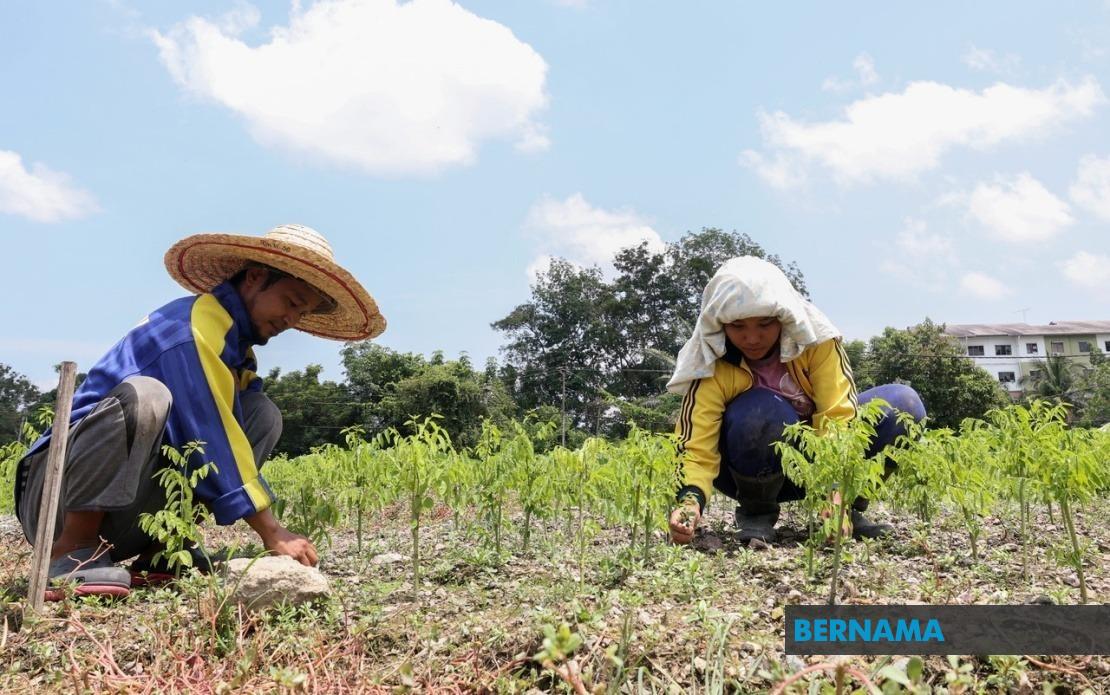
In Sandakan, Sabah, vegetable producer Firyanus Salamba describes conditions that illustrate the grinding pressure contemporary agriculture faces under climate stress. The 33-year-old farmer has fundamentally restructured his daily labour routine, compelled to irrigate vulnerable crops including okra, sweet shoots and mustard greens three times daily—morning, afternoon and evening—compared to the single watering session sufficient during normal seasonal patterns. This tripling of water management effort represents not merely increased workload but escalated operational costs at a time when farm gate prices remain static or declining.
Particularly troubling is the paradoxical reality that even tripled irrigation frequency fails to prevent output contraction. Chilli cultivation has become especially precarious, with plants struggling to survive physiological stress from sustained extreme heat despite intensive care interventions. This pattern indicates that simple irrigation augmentation cannot fully compensate for temperatures pushing beyond optimal growing thresholds, suggesting structural changes to agricultural feasibility rather than temporary weather disruption.
MetMalaysia classifies conditions as Level 1 (cautionary category) when daily maximum temperatures reach 35 to 37 degrees Celsius for at least three consecutive days. This standardised threshold reflects research-backed understanding of crop vulnerability boundaries. Within Peninsular Malaysia, eleven affected areas span multiple states: Larut and Matang, Kuala Kangsar, Kampar and Batang Padang in Perak; Kuala Krai in Kelantan; Kuantan, Raub, Temerloh and Pekan in Pahang; and Hulu Selangor plus Gombak in Selangor. Each represents agricultural zones producing vegetables, fruits and ornamental plants destined for domestic consumption and regional trade.
The alert extends to five Sabah locations—Telupid, Tenom, Sandakan, Pitas and Beluran—plus Marudi in Sarawak, indicating that extreme heat pressures have extended beyond peninsular agricultural heartlands into Borneo's traditionally humid climatic zones. This geographic spread suggests a systemic atmospheric pattern rather than localised disturbance, with implications for regional food security and cross-border agricultural commerce.
Flower nursery operators face comparable challenges to vegetable producers, with ornamental plant cultivation requiring minimum twice-daily watering to prevent flower wilting and premature mortality from heat stress. The ornamental sector, while less critical than vegetable production, represents significant export revenue and employment in horticultural regions. Repeated irrigation necessity consumes water resources that may be finite during dry seasons, potentially creating supply conflicts between competing users.
The cascading impact extends beyond individual farms to broader supply chains. Reduced yields from compromised production cycles mean diminished availability for market distribution, with potential inflationary pressure on consumer prices and reduced farmer income simultaneously—a dual squeeze that destabilises rural communities. Especially concerning is the effect on smallholder farmers lacking irrigation infrastructure investment or financial reserves to absorb income shocks.
Climate scientists globally recognise that heat stress events are increasing in frequency and intensity, suggesting that Level 1 alerts may transition from exceptional occurrences to periodic or seasonal phenomena. Malaysia's agricultural sector, traditionally calibrated for tropical monsoon patterns, faces strategic adaptation challenges requiring investment in resilient cultivars, water conservation infrastructure and crop diversification toward heat-tolerant species. Such transitions demand government support through extension services, subsidised technologies and market structure adjustment.
The phenomenon also raises water security concerns. Intensified irrigation during heat episodes accelerates aquifer depletion and competes with urban domestic supply during dry seasons. Integrated water management planning that balances agricultural needs with urban consumption and environmental flows has become increasingly urgent across affected regions.
For consumers, reduced agricultural output translates into supply tightness and pricing pressure. Southeast Asian economies dependent on fresh produce imports from Malaysia or competing in regional markets face potential cost escalation. Regional agricultural cooperation and trade agreements may require recalibration as climate volatility increasingly shapes production capacity.
Farmers across affected areas now face adaptive decisions: investing in irrigation intensification with uncertain return prospects, shifting toward hardier crops with potentially lower profitability, or gradually exiting agriculture entirely. Without coordinated government response including drought-resistant variety distribution, water management infrastructure improvement and income stabilisation programmes, rural communities will experience accelerating outmigration and agricultural sector contraction.
The heat alert serves as immediate warning but also a harbinger of structural agricultural transformation required for tropical regions confronting climate variability intensification. Malaysia's policy response over coming months will signal commitment to agricultural sustainability and rural economic resilience amid environmental change.

