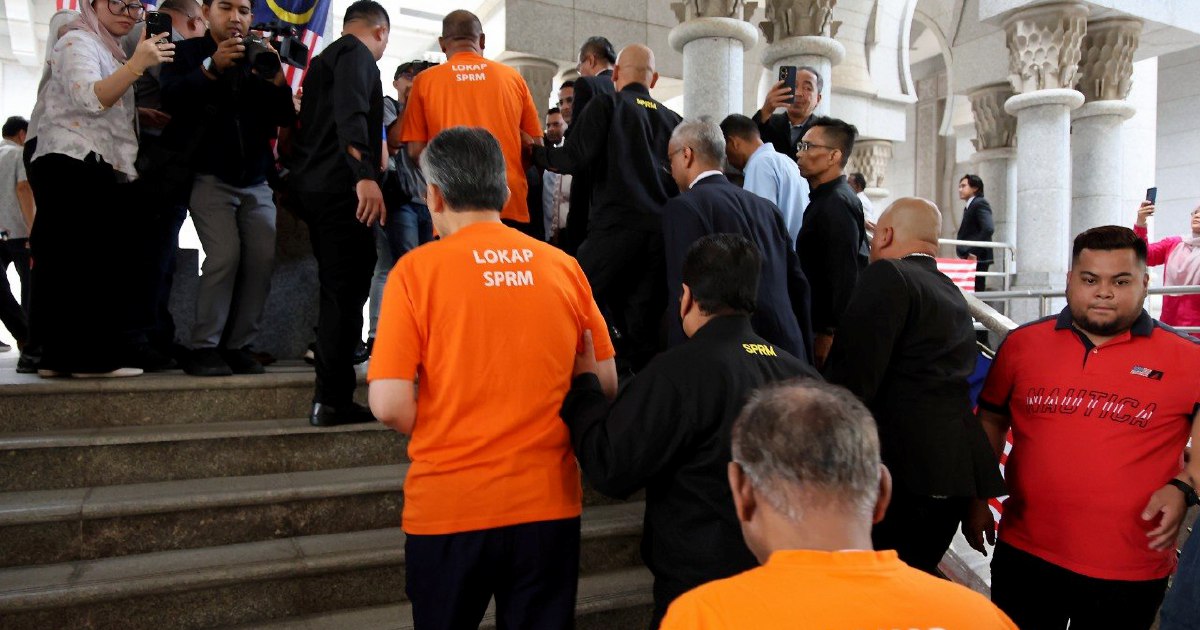
A former chairman of Lembaga Tabung Haji (TH) and a former Treasury secretary-general made separate appearances at the Putrajaya magistrates' court here today for remand hearings, continuing what observers describe as a significant probe into governance at one of Malaysia's most prominent financial institutions serving the Muslim community.
The attendance of these two senior public figures underscores the far-reaching implications of the investigation, which touches on both Malaysia's sovereign wealth management through TH and the Treasury's oversight responsibilities. Tabung Haji, with its mandate to facilitate pilgrimage savings and investments for Malaysian Muslims, has long operated as a quasi-governmental entity managing billions in assets. The involvement of a former chairman suggests the inquiry extends to governance decisions and institutional management at the highest echelon.
The Treasury's central role in national financial administration and economic policy coordination means that the appearance of a former secretary-general carries particular weight. This official would have been instrumental in shaping government financial strategy and may have maintained oversight relationships with major statutory bodies like TH. The convergence of both figures in remand proceedings indicates the investigation likely concerns matters affecting both organisations' decision-making and financial operations during overlapping periods.
Remand hearings represent preliminary stages in Malaysia's legal process where courts determine whether detained individuals should remain in police or investigative custody pending completion of initial inquiries. The remand procedure typically allows authorities additional time to gather evidence, conduct interviews, and develop their case before moving toward formal charges. For high-profile figures like these, remand decisions often draw public and media attention as they signal the seriousness and scope of authorities' investigation.
The timing of these proceedings reflects continuing momentum in an investigation that has already captured national attention. Malaysia's recent years have witnessed heightened scrutiny of institutional governance following various accountability concerns identified across both public and private sectors. Scrutiny of TH's operations has periodically surfaced in parliamentary discussions and media commentary, with observers questioning investment strategies and management decisions affecting pilgrims' accumulated savings.
The implications for Malaysia's financial governance framework merit careful attention. TH's unique position as a faith-based financial institution managing substantial Muslim community assets means questions about its management carry religious and social dimensions alongside technical financial considerations. Any governance lapses could undermine public confidence in Islamic finance institutions and potentially affect participation in pilgrimage savings schemes that have operated for decades.
Similarly, Treasury involvement signals that the investigation may examine oversight mechanisms and approvals granted during these officials' tenure. The Treasury maintains significant supervisory responsibilities across statutory agencies and government-linked companies, making its officials' accountability essential for maintaining institutional integrity. Questions about Treasury oversight could prompt broader examination of how the ministry exercises its stewardship role.
For Malaysian business and government observers, these developments carry broader resonance regarding institutional accountability and transparency standards expected from senior public officials. The investigation demonstrates that regardless of rank or previous position, individuals may face legal consequences for decisions made during their tenures. This message reinforces developing norms around corporate and public governance that increasingly emphasise personal accountability alongside institutional responsibility.
The Southeast Asian context matters here as well. Malaysia's progress in addressing governance concerns and demonstrating effective institutional accountability influences regional perceptions of the country's investment climate and institutional reliability. Credible investigations into high-level figures, when conducted transparently and according to legal processes, can strengthen confidence in governance systems and rule of law frameworks that international investors and foreign governments monitor closely.
The remand process itself will require the court to assess whether continued custody serves investigative purposes or whether bail or other conditions might apply. Such determinations often involve balancing legitimate investigative needs against individuals' rights and the principle that pre-trial detention should not become punitive. Courts typically scrutinise whether evidence of specific offences exists and whether investigative purposes would be genuinely served by further remand.
Moving forward, the progression of this case will likely influence broader conversations about governance standards within Malaysia's statutory institutions and public service. Whether conclusions lead to formal charges, negotiated settlements, or other outcomes will shape perceptions about accountability mechanisms and legal consequences for institutional mismanagement. The case also serves as reminder that Malaysian authorities maintain capacity to investigate and prosecute individuals regardless of their previous status or connections.
Observers from business, civil society, and academia will be watching how authorities build their case and what specific allegations eventually emerge. The investigation's ultimate findings may prompt institutional reforms at TH, Treasury, or related agencies. Meanwhile, other public officials managing significant resources face implicit messages about governance standards and personal accountability that these proceedings demonstrate.

