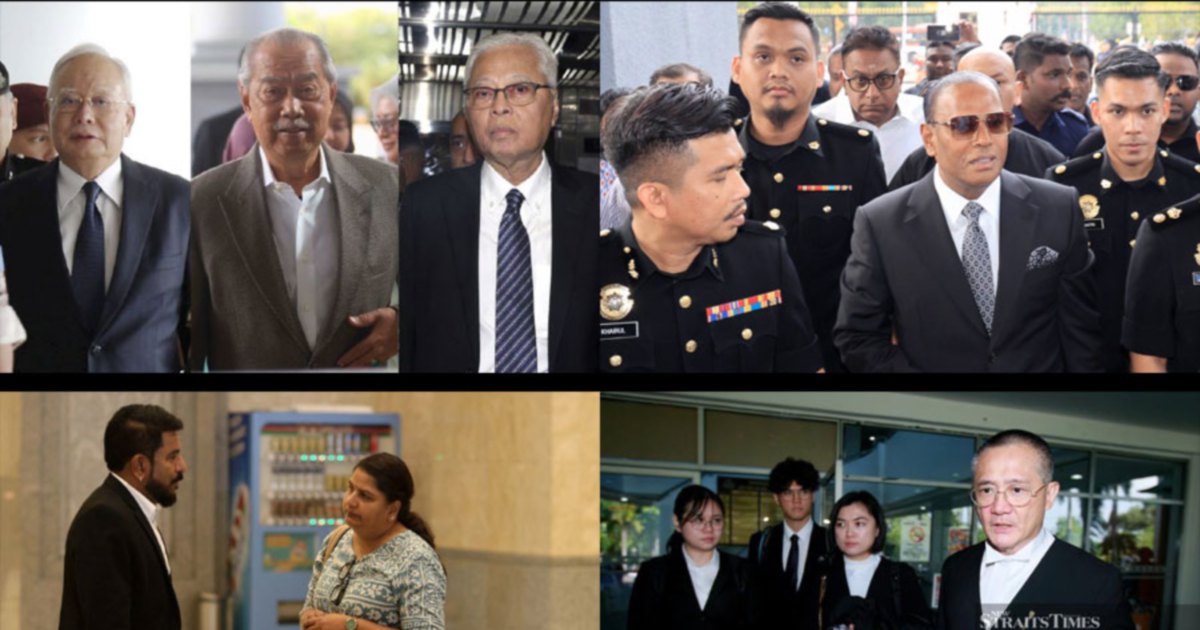
Malaysia's judicial system faced an unusually concentrated calendar of politically sensitive cases this week, drawing intense public scrutiny and media attention. The cases involving three former prime ministers and a retired government minister represented a significant convergence of accountability proceedings that underscored the role courts continue to play in examining the conduct of the nation's top political leadership. This concentration of high-stakes legal action highlighted the complex relationship between Malaysia's political establishment and its justice system at a critical juncture.
The participation of multiple former heads of government in court proceedings reflects an ongoing pattern where Malaysia's courts have become venues for examining allegations against senior political figures. Such cases carry particular weight in the Southeast Asian context, where judicial independence and the ability to hold powerful figures accountable remain subjects of considerable debate. The involvement of individuals who once wielded executive authority demonstrates that Malaysia's legal framework continues to operate across different levels of the political hierarchy, regardless of a person's former position.
The diversity of cases heard during this period extended beyond the ex-prime ministers to include a former minister, broadening the scope of judicial examination across the government apparatus. This wider net reflected investigations touching multiple cabinet-level positions and suggesting systemic issues that investigators and prosecutors believed warranted legal action. The staggered nature of these proceedings indicated that Malaysia's anti-corruption infrastructure continued functioning, albeit with cases that inevitably intersected with politically sensitive matters.
The rulings handed down during this week carried implications that extended beyond the immediate parties involved. Landmark judicial decisions set precedents for how courts would interpret existing laws and apply them to cases involving senior political actors. Malaysian legal practitioners, analysts, and citizens following these proceedings recognised that outcomes could reshape understanding of executive accountability and the boundaries of ministerial authority. Such precedents often influence how similar cases progress through the system and inform public discourse about governance standards.
The convergence of these cases in a single week appeared partly coincidental, partly reflective of investigation timelines that culminated in court appearances. The Malaysian court system's docket management and case scheduling meant that high-profile proceedings sometimes clustered, creating periods of intense judicial activity. This week exemplified how Malaysia's courts juggled multiple politically sensitive matters simultaneously, requiring judicial resources and careful management of proceedings that commanded national attention.
For Malaysian observers, these cases served as reminders of the country's extended reckoning with governance issues that emerged during previous administrations. The legal processes represented formal attempts to address allegations that had circulated in media and political discourse for years. Court proceedings provided structured environments where evidence was presented, arguments were tested, and judges applied law to specific factual circumstances. The transformation of political allegations into formal legal cases underscored the distinction between public opinion and judicial determination.
The international dimension of these proceedings merited attention from regional observers. Malaysia's approach to prosecuting former leaders influenced perceptions about rule of law in Southeast Asia more broadly. Neighbouring countries and international observers assessed whether Malaysian courts operated independently or responded to political pressures. Cases involving former prime ministers attracted scrutiny precisely because they tested whether judiciaries could function impartially when examining the highest offices. Malaysia's handling of these matters carried reputational implications that extended beyond domestic political circles.
The presence of lawyers, political analysts, and citizens in courtrooms throughout the week reflected genuine public interest in judicial outcomes. Media coverage tracked developments, legal experts analysed implications, and social media amplified discussion. This public engagement meant that courts operated under considerable transparency pressure, with proceedings documented and scrutinised. The visibility of these cases functioned both as a check on judicial processes and as an opportunity for citizens to understand how their legal system addressed allegations against political elites.
The accumulation of these significant cases raised broader questions about Malaysia's institutional capacity to process complex, politically charged litigation simultaneously. Courts required sufficient resources, expertise, and time to deliver thorough, credible justice. When multiple high-profile cases proceeded in parallel, judicial systems faced organisational challenges alongside substantive legal complexities. The week demonstrated that Malaysia's courts were actively engaged with accountability matters, though the pace and quality of justice depended on institutional resources and the courts' ability to manage competing demands.
Looking forward, the outcomes of this week's proceedings would likely influence Malaysian political discourse and public confidence in judicial institutions. Citizens would assess whether courts delivered results perceived as just and appropriate. Opposition voices might challenge rulings, while supporters might herald vindication. These dynamics were inherent to politically sensitive litigation in any democracy, though Malaysia's history added specific dimensions to how cases were interpreted and understood. The week represented a chapter in an ongoing national conversation about accountability, institutional integrity, and the proper limits of executive power.

