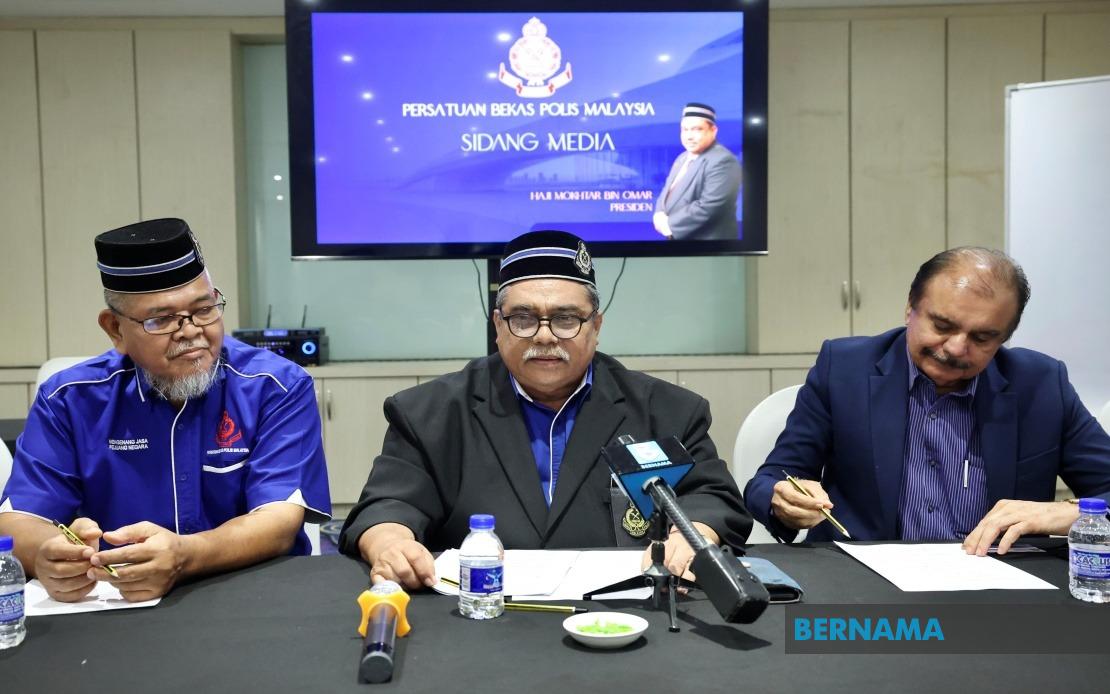
The Malaysian Ex-Police Association (PBPM) has launched an appeal to the government seeking establishment of a monthly cost-of-living allowance programme targeting non-pensionable former police officers who lack retirement income security. Speaking at a media conference in Kuala Lumpur, association president Mokhtar Omar highlighted the plight of a significant portion of the organisation's 86,000 registered members, emphasising that roughly 40,000 individuals fall into the category of personnel ineligible for standard pension schemes despite their years of service protecting national interests.
The non-pensionable cohort encompasses a diverse range of former law enforcement workers whose service histories differ markedly from career officers. Members of this group served in various capacities including the Special Squad, Home Guard units, and as contract inspectors during the Emergency period. Many of these individuals contributed substantially to Malaysia's security infrastructure during critical phases of national development, yet their terms of employment meant they were not entitled to formal pension benefits upon retirement. This structural gap in social protection has left many ageing former officers vulnerable as they enter their later years without guaranteed monthly income support.
Mokhtar Omar emphasised that this generation of retirees deserves governmental recognition given their sacrifice and contributions to nation-building. He pointed out that the remaining cohort of Emergency-era personnel is steadily diminishing, making the financial burden of assistance manageable for the state. The association contends that providing a modest monthly stipend would represent fair acknowledgment of their patriotic service rather than an unsustainable fiscal commitment. The appeal carries particular weight given rising costs of living that have eroded the purchasing power of whatever limited savings these former officers may possess.
According to PBPM's proposal, the association has suggested monthly allowances ranging between RM300 and RM500 for eligible recipients. These figures were determined based on assessment of minimum living expenses for retired individuals, though the association indicated flexibility in negotiating final amounts with government authorities. The proposed range reflects awareness that most non-pensionable retirees are managing on inadequate resources, with many struggling to meet basic needs including food, utilities, and healthcare expenses. Implementation of such a scheme would provide essential financial stabilisation for vulnerable former personnel.
Beyond the primary allowance proposal, PBPM has advanced complementary recommendations aimed at strengthening overall welfare infrastructure for former police. The association called for comprehensive review of the Police Heritage Trust Fund (TAWP), the existing mechanism through which limited assistance currently reaches eligible retirees. This review should focus on improving benefits levels and broadening the range of support provided. The association specifically highlighted gaps in coverage for education assistance, healthcare access, and disaster relief—categories they argue should receive priority attention given their critical importance to retirees' wellbeing and dignity.
The welfare concerns articulated by PBPM reflect broader systemic issues within Malaysia's social protection framework. Many former security personnel who served under fixed-term or contract arrangements were excluded from statutory pension arrangements, creating a vulnerable population largely invisible in national welfare statistics. Unlike career civil servants who benefit from defined pension schemes, these individuals face an uncertain financial future. The situation is particularly acute for those in advanced age, for whom finding alternative employment is practically impossible, leaving them dependent on family support or charity.
Concurrently, PBPM is pursuing alternative fundraising strategies to supplement government assistance. Information chief Datuk Dr Basant Singh Sidhu announced plans for a major fundraising dinner scheduled for October, targeting RM1 million in contributions. The association is actively soliciting participation from corporate entities, multinational companies, private organisations, and philanthropically-minded individuals who recognise the cause's worthiness. This dual-track approach—seeking government support while mobilising corporate and private sector resources—reflects realistic acknowledgment that comprehensive welfare solutions require multi-faceted funding sources.
Proceeds from the October fundraising event will be directed toward immediate assistance for association members facing acute hardship. The PBPM outlined plans to utilise donations for procuring essential support items including medical equipment, wheelchairs, hearing aids, and nutritional supplements. These targeted interventions address specific health and mobility challenges affecting elderly retirees. By focusing on practical assistance items that enhance quality of life and functional independence, the association demonstrates understanding of retirees' most pressing challenges beyond income support alone.
The PBPM's multifaceted advocacy effort underscores fundamental questions about state responsibility toward those who served public security interests. While pensionable officers have institutional safety nets, non-pensionable personnel have largely been overlooked in social welfare policy discussions. Their invisibility partly reflects the diverse nature of their service arrangements—many were temporary appointees, contract workers, or special duty personnel whose employment terms differed substantially from established career tracks. This fragmentation in the historical record has complicated advocacy efforts and policy responses.
For Malaysian policymakers, the association's appeal presents opportunity to address a genuine governance gap affecting a specific vulnerable population. The financial implications are relatively modest compared to broader social spending, particularly given that the affected population is steadily decreasing due to age factors. Establishing a formal allowance scheme would provide dignified recognition of service contributions while addressing documented financial hardship. Such action could also set precedent for reviewing welfare coverage across other sectors where similar non-pensionable former personnel exist.
The initiative also carries relevance for Southeast Asian neighbours facing parallel issues within their own security forces. Several ASEAN nations have grappled with similar questions regarding pension eligibility and welfare provision for contract and temporary security personnel. Malaysia's resolution of this matter could inform regional approaches to protecting vulnerable retirees from public service backgrounds, establishing norms for more comprehensive social protection within the security sector. The PBPM's advocacy demonstrates how civil society organisations can effectively champion marginalised groups' interests when institutional frameworks fail to provide adequate protection.

