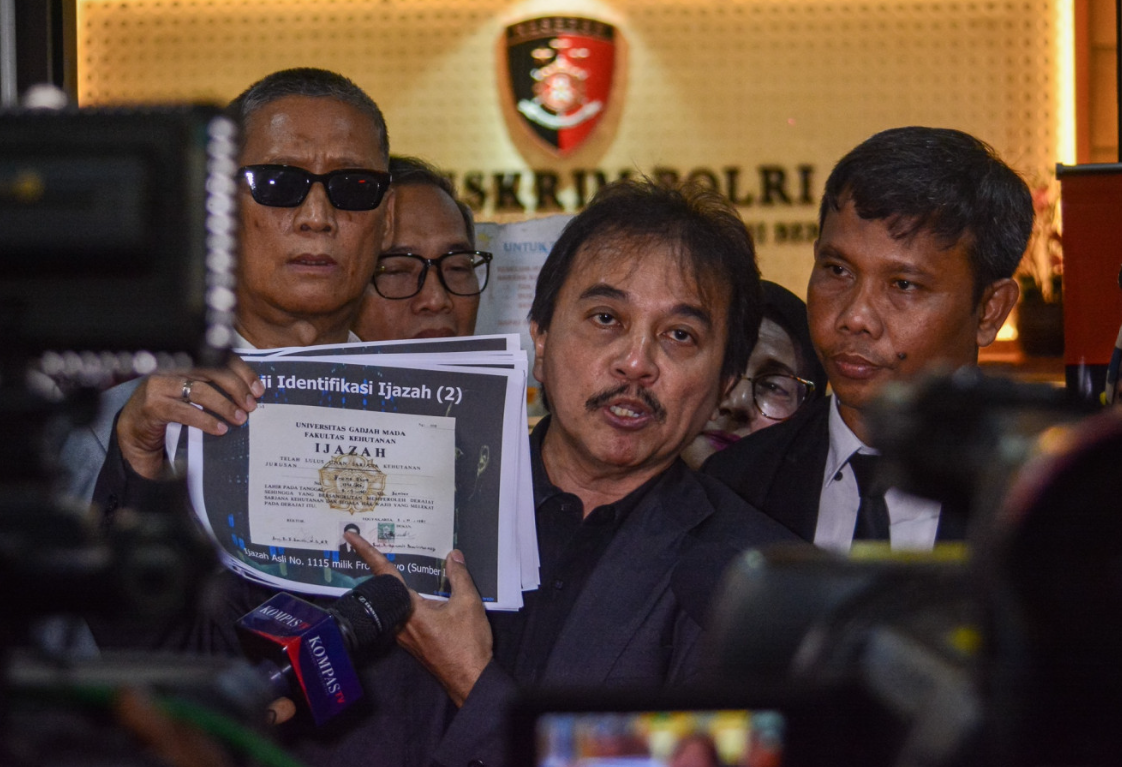
The detention of former youth and sports minister Roy Suryo and health activist Tifauzia 'Tifa' Tyassuma by Jakarta Police represents a significant escalation in Indonesia's most contentious political dispute over the authenticity of ex-president Joko 'Jokowi' Widodo's university diploma. Both individuals were apprehended at their homes on Friday morning by the Jakarta Police's General Crimes Directorate, according to their legal counsel Ahmad Khozinudin, on suspicion of defamation and manipulating electronic documents to bolster claims that Jokowi's diploma was fraudulent.
The timing of the arrests reflects a deliberate law enforcement strategy rather than coincidence. According to Sr Comr Iman Imanuddin, the investigation director, the detention was conducted as part of standard police procedure preceding the handover of the case to the Jakarta Prosecutor's Office for the next investigative phase. Officials maintained that the measure was designed to prevent administrative bottlenecks in the criminal justice system and to complete essential procedural requirements such as medical examinations and evidentiary verification. The Jakarta Police stated they had consolidated their investigative dossiers and were preparing formal case documents for prosecution.
This controversy represents one of Indonesia's most persistent political disputes, with roots stretching back to 2019 when initial allegations regarding Jokowi's academic qualifications first emerged on social media platforms. Over the intervening years, the case has evolved from social media speculation into a complex legal entanglement involving multiple court proceedings, investigations, and procedural reviews. In 2022, the dispute intensified when a civil lawsuit was filed, followed by further investigations and court actions in 2025 that have drawn numerous participants into the legal machinery.
Roy Suryo, who held ministerial office under former president Susilo Bambang Yudhoyono's administration, emerged as one of the diploma dispute's most vocal critics. His assertions that Jokowi's educational credentials were fraudulent prompted police to investigate whether he and others had knowingly disseminated false information or manipulated digital documents to substantiate their claims. The charges operate under Indonesia's controversial Electronic Information and Transactions Law, legislation that carries maximum penalties of six years imprisonment and has faced international scrutiny for its potential chilling effect on free speech and public discourse.
The National Police's May 2025 declaration that Jokowi's diploma was genuine should have provided closure to the longstanding controversy, yet it instead intensified legal proceedings against critics. The police formally closed an initial investigation into forgery allegations at that time. However, in July 2025, a case review was conducted during which individuals including Roy Suryo continued to voice objections to the police findings, effectively keeping the dispute alive despite official authentication of the diploma.
Defense attorneys for the detained individuals mounted immediate challenges to the lawfulness of their apprehension. Refly Harun, representing both Roy and Tifa, characterized the detention as disproportionate and unnecessary, emphasizing that his clients had consistently cooperated with all police summonses and reporting obligations. He questioned the rationale for detaining individuals when case transfer to prosecutors was scheduled for Monday, arguing that such pre-prosecution detention appeared designed to maximize pressure rather than serve legitimate investigative purposes.
The case has implications that extend well beyond individual criminal liability. The deployment of Indonesia's Electronic Information and Transactions Law against political critics raises fundamental questions about the boundaries between legitimate public debate and criminal defamation. The statute's vague language regarding electronic information dissemination has become an increasingly potent tool in politically contentious circumstances, potentially discouraging citizens from expressing skepticism toward official narratives or challenging governmental determinations, particularly when such challenges originate from prominent political figures.
Police investigation records indicate that initially eight individuals were designated as suspects under the ITE Law framework. However, three suspects—Eggi Sudjana, Damai Hari Lubis, and Rismon Sianipar—had charges dropped following mediation processes, suggesting that police possessed discretion in determining which cases to pursue aggressively. The continued prosecution of Roy and Tifa while others were released raises questions about investigative consistency and potential selectivity in applying legal consequences.
For Malaysia and regional observers, the Jokowi diploma controversy illuminates broader patterns in Southeast Asian politics whereby legal mechanisms become instruments for managing political disputes and constraining criticism of government officials. The case demonstrates how defamation and electronics-related statutes can be weaponized against prominent detractors, regardless of their political credentials or official positions. Roy Suryo's arrest, despite his substantial political background, underscores that official status provides limited protection against prosecution when individuals challenge government-sanctioned narratives on sensitive matters.
The diplomatic implications remain understated but significant. Indonesia's handling of the diploma controversy and prosecution of critics occurs within a regional context where democratic norms and institutional independence face persistent pressures. The Jakarta Police's methodical advancement of charges against Roy and Tifa, coupled with their detention despite counsel cooperation with authorities, reflects institutional approaches that prioritize case escalation over proportionate responses to alleged misconduct.
As the case proceeds toward prosecution, the precedent being established carries consequences extending beyond Jokowi's presidency. Future Indonesian officials facing similar controversies may anticipate comparable legal responses, potentially encouraging suppression of critical voices. The episode also raises pertinent questions for Malaysian policymakers regarding how defamation and electronics laws should be calibrated to protect both individual reputation and fundamental freedoms essential to functioning democracies.