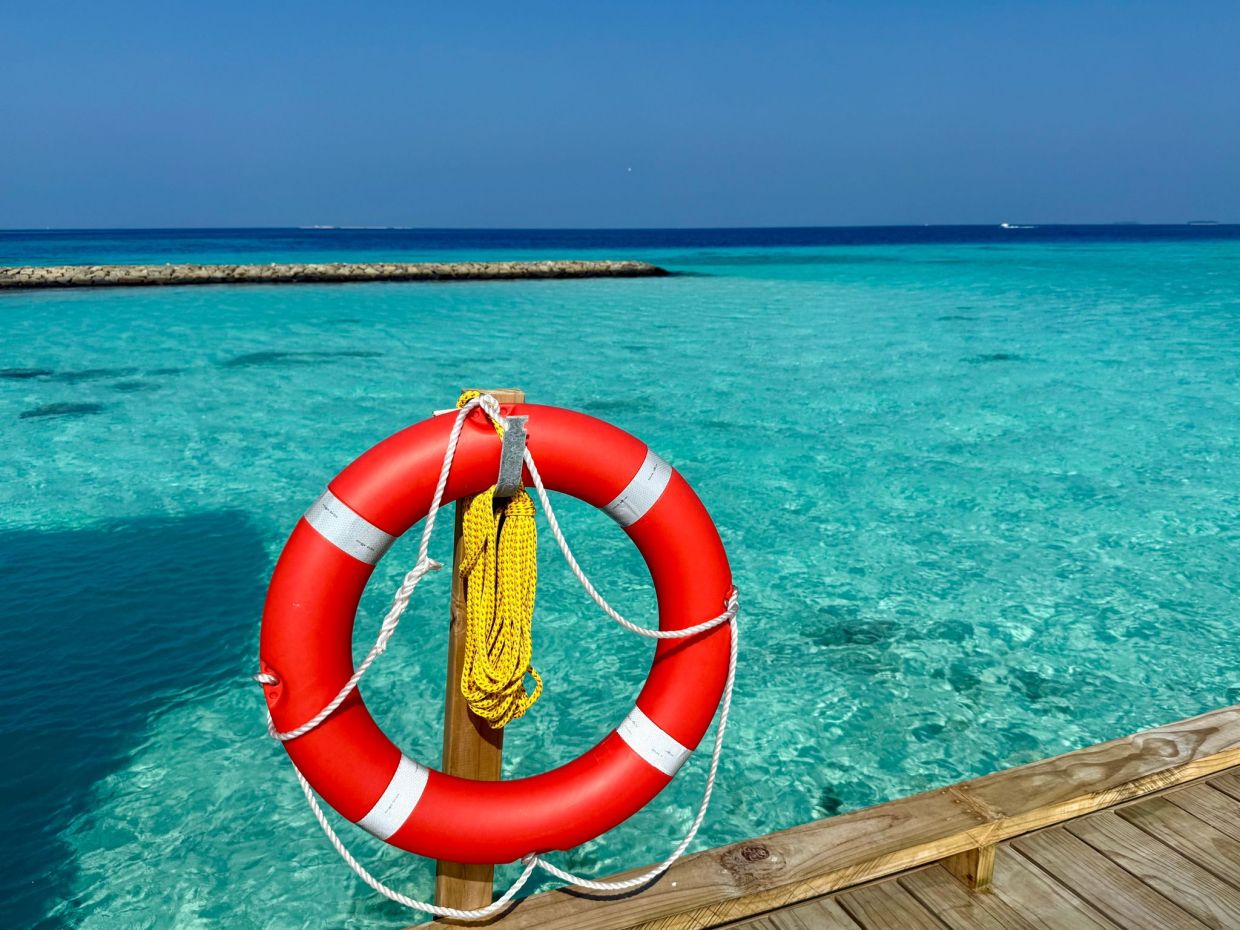
Open-water swimming offers a refreshing escape during Malaysia's tropical climate, whether at coastal beaches or freshwater lakes. Yet the appeal of immersing oneself in natural waters masks serious risks that claim lives across Southeast Asia each year. Many swimmers fail to recognise that comfort on land does not translate to the water, where conditions shift rapidly and dangers lurk beneath surfaces that appear calm and inviting.
According to lifeguard operations experts, a fundamental problem undermines water safety across the region: people systematically overestimate their swimming prowess while downplaying environmental hazards. This misalignment between perceived and actual capability creates dangerous situations, particularly when swimmers venture into unfamiliar waters. Temperature serves as one overlooked killer, with cold-water shock capable of disabling even strong swimmers within minutes. Despite Southeast Asia's reputation for warm climates, water temperatures—especially in deeper sections and during early morning or evening hours—can trigger involuntary gasping and loss of muscular control. Swimmers accustomed to heated swimming pools frequently find themselves unprepared for the physiological assault of natural water bodies, regardless of air temperature readings.
Preparing adequately before entering any natural water body requires gathering practical intelligence about local conditions. This means consulting tide tables at coastal locations, understanding weather forecasts, and most importantly, speaking with lifeguards or local swimmers about current hazards. Lifeguarded beaches exist specifically because authorities have identified them as the safest accessible swimming zones. Personnel stationed at these locations possess real-time knowledge of rip currents, sudden depth changes, and other dynamic hazards that shift daily. Rather than viewing lifeguards as mere spectators, swimmers should treat them as essential information sources who can highlight specific dangers relevant to that particular day and location.
Hazard awareness demands mental discipline before entering water. Rip currents represent the most significant threat at beaches throughout Southeast Asia and beyond, capable of pulling swimmers seaward regardless of their strength or technique. Inland waterways present different but equally serious dangers: submerged vegetation, fallen timber, submerged rocks, and accumulated debris create invisible obstacles that cause disorientation or entanglement. Poor visibility characterises many lakes and rivers, preventing swimmers from detecting hazards until direct contact occurs. This underwater opacity makes gradual entry essential, allowing feet and legs to probe bottom conditions before the entire body enters unfamiliar environments.
Grouping together multiplies safety by enabling mutual awareness and assistance. Swimmers who remain within groups benefit from collective consciousness regarding changing conditions and immediate help should anyone experience difficulty. The practice of staying between the flags at lifeguarded beaches reflects deliberate strategic placement by safety professionals. These boundary markers typically denote areas where surveillance is most effective and hazards are minimised, rather than randomly chosen sections. Outside these zones, rip currents, underwater obstacles, or areas beyond lifeguard sightlines may create unmonitored danger zones where assistance cannot arrive quickly.
Parents and guardians face heightened responsibility when supervising young children in open water. Physical proximity matters more than mere visual contact—maintaining arm's length distance ensures immediate intervention capability. Dressing children in brightly coloured swimwear or buoyancy aids aids spotting them quickly against water and sky. Small children lack the judgment and physical capacity to self-rescue, rendering parental supervision the sole protective barrier. Even capable young swimmers require constant watchfulness, as exhaustion and disorientation develop rapidly in natural water environments.
Entering water requires deliberate, methodical progression rather than the dramatic splashing dives that appeal to novices. Gradual immersion allows the body to acclimate physiologically to water temperature while feet remain in contact with the bottom, providing stability and early warning of depth changes or hazards. Rapid entry prevents the nervous system from adjusting to cold shock, potentially triggering gasping and panic responses that compromise breathing. Knowing one's exit point before entering establishes mental geography and prevents the disorientation that strikes many swimmers once in deeper water. Wetsuits provide thermal protection, particularly valuable for extended swimming sessions or during cooler months.
Should difficulty arise in water, survival depends largely on abandoning panic-driven thrashing in favour of deliberate floating. Back-floating—with head tilted back so ears submerge while the face remains above water—preserves the airway while minimising energy expenditure. This technique demands practice in controlled environments like swimming pools before attempting it in open water during moments of stress. The floating position buys time by stabilising breathing while signalling distress, allowing rescue personnel or companions to locate and assist the swimmer. Thrashing wastes precious energy and impairs breathing, accelerating exhaustion and reducing survival probability.
Rescue protocols differ between coastal and inland emergencies. At beaches, calling the coastguard provides access to maritime rescue specialists equipped for sea-based operations. Inland water emergencies require fire and rescue services trained specifically for river and lake rescues. Immediate action—alerting authorities and directing attention to the distressed swimmer—dramatically improves outcomes. Bystanders witnessing water emergencies should summon professional help rather than attempting untrained water rescues, which frequently transform single emergencies into multiple casualties when untrained rescuers themselves become victims.
The Southeast Asian context presents specific challenges that intensify open-water risks beyond those encountered in temperate climates. Warm waters harbour different hazards, including marine life encounters and rapid current changes due to monsoon weather systems. Murky visibility in tropical waterways obscures obstacles more completely than clearer northern waters. Coastal development and industrial activity can create unexpected hazards in familiar locations. Building a culture of water safety requires recognising that expertise, preparation, and humility regarding natural water bodies provide the foundation for enjoyable aquatic experiences, whether at Malaysia's pristine beaches, highland lakes, or riverside retreats.

