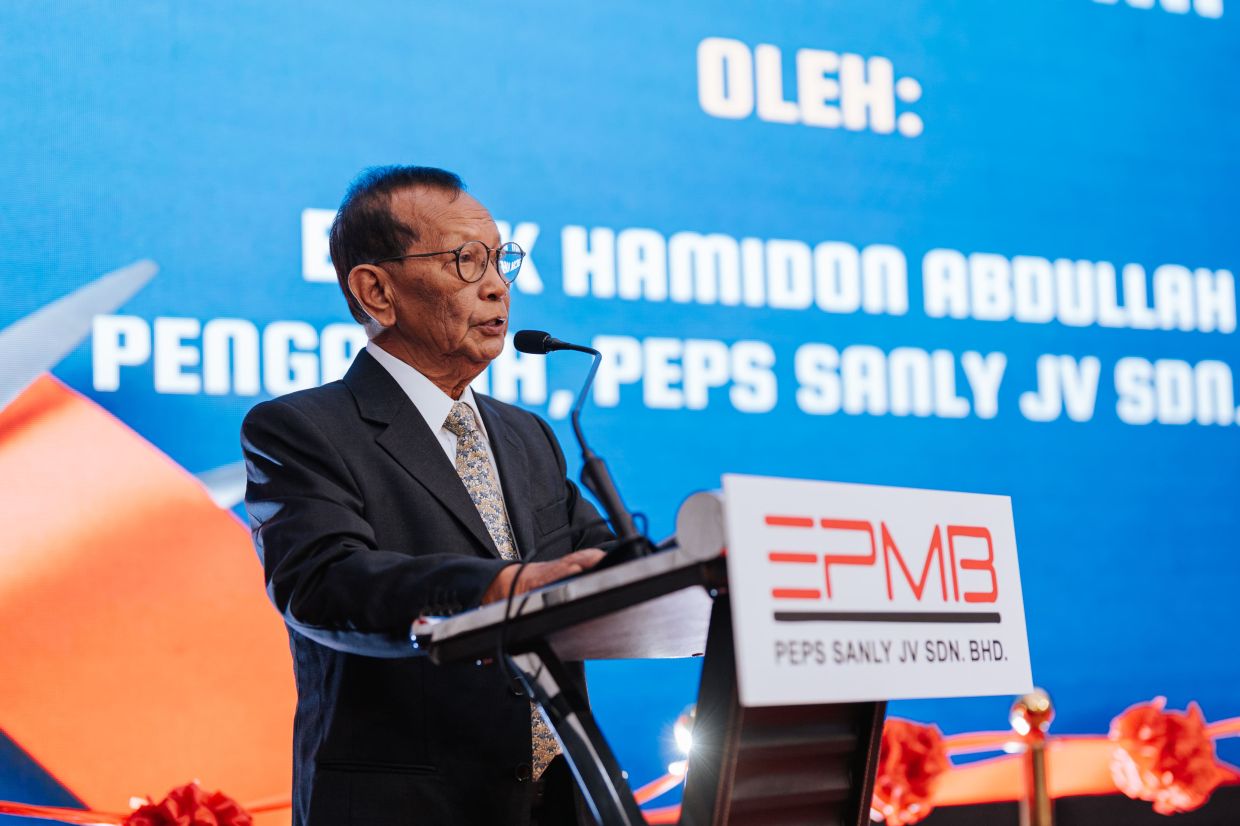
Malaysia's automotive supply sector took another step forward this month as EPMB, a key domestic parts manufacturer, inaugurated a purpose-built facility in Tanjong Malim dedicated to producing essential chassis components for Proton's growing vehicle lineup. The venture marks a strategic alignment between established local expertise and cutting-edge Chinese manufacturing capability, positioning the national carmaker to strengthen cost competitiveness while expanding domestic content in its assembly operations. The facility, which launched commercial production in October 2025, represents the latest chapter in EPMB's long partnership with Proton and signals confidence in the automaker's capacity to scale up output across multiple platforms.
Operating under the banner of Peps Sanly JV Sdn Bhd, the partnership fuses EPMB's decades of supply chain experience with Sanly Auto Parts Co Ltd's expertise in metalworking and assembly technologies. The Chinese firm brings connections to major regional players including Geely, offering EPMB direct access to manufacturing methodologies and supply networks that have proven competitive across Asia. Located within Perak's Automotive High Technology Valley, the sprawling 9,909 square metre plant is designed with modern production protocols and quality control measures typical of multinational automotive suppliers.
The manufacturing footprint is substantial. Peps Sanly JV operates with a monthly production target of 40,000 component sets, translating to an annual capacity of 480,000 units. This scale positions the facility as a significant contributor to Proton's production needs, particularly as the national carmaker navigates the transition toward electrification and prepares multiple new model launches. The components manufactured here—front corner modules, subframe modules and rear axle assemblies—form critical structural elements that determine vehicle safety, handling and manufacturing efficiency.
Initially focused on the Proton Saga AMA01 platform, the facility's production scope has broadened considerably. It now supplies components for the Persona sedan and Iriz hatchback, both volume drivers in Proton's domestic and regional sales. More significantly, the plant is already geared to produce parts for the upcoming AMA02 and AMA05 models, indicating that Proton's new generation vehicles will benefit from localised chassis sourcing from inception rather than being retrofitted into existing supply chains. This forward integration offers advantages in cost management and production coordination as volumes ramp up.
The joint venture itself took formal shape in February 2025, though planning and negotiations clearly extended earlier. EPMB's decision to partner with Sanly reflected calculated strategic thinking rather than opportunism. By tapping into Sanly's established relationships with Geely and other Chinese original equipment manufacturers, EPMB gains exposure to manufacturing ecosystems that operate at different cost structures and efficiency levels than traditional Malaysian supply bases. This exposure is particularly valuable as Proton pursues ambitious regional expansion targets and seeks to compete against better-capitalised international rivals.
Hamidon Abdullah, EPMB's executive chairman, characterised the arrangement as transformative for the company's competitive positioning. His comments highlighted that the partnership strengthens EPMB's ability to deliver enhanced cost efficiency without compromising quality assurance—a critical balance in automotive supply where price pressure constantly threatens margins. Sanly's metallurgical expertise and automotive chassis systems knowledge provide EPMB with capabilities that would require substantial internal investment or acquisition to develop independently. The arrangement effectively allows EPMB to punch above its weight in global supply networks.
For Proton specifically, localising chassis component production carries multiple strategic benefits. Reducing reliance on imported subassemblies improves domestic content ratios, supporting marketing messages about national vehicle assembly and potentially accessing preferential government procurement terms. Supply chain resilience also improves; manufacturing critical components domestically reduces vulnerability to international logistics disruptions, a consideration that gained prominence following global shipping constraints in recent years. Currency fluctuations also become less problematic when major cost components are denominated in ringgit rather than foreign exchange.
The Tanjong Malim location itself warrants attention. Perak's Automotive High Technology Valley has evolved into a recognised cluster for vehicle manufacturing and component supply, with supporting infrastructure, skilled labour availability and proximity to major assembly plants. Concentration in this zone enables supplier coordination and reduces logistics costs compared to dispersed manufacturing locations. The government's designation of AHTV as a specialised automotive zone reflects broader industrial policy favouring cluster development and value-chain integration.
The facility's launch occurs during a crucial inflection point for Proton. The company faces intensifying competition from Chinese brands penetrating Malaysian and Southeast Asian markets, while simultaneously managing a transition toward electrified powertrains and battery-electric vehicles. Managing these transitions simultaneously requires nimble supply chains capable of supporting multiple platforms and drivetrains. A localised supplier like Peps Sanly JV, connected to China's advanced EV supply ecosystem through Sanly's existing relationships, positions Proton to access emerging technologies and manufacturing practices more rapidly than competitors relying entirely on traditional supply bases.
EPMB's near-four-decade relationship with Proton provides institutional knowledge and trust that newer market entrants cannot easily replicate. This longevity creates mutual dependencies that incentivise collaborative problem-solving and long-term commitment. The new facility represents deepening rather than departure from this relationship, with EPMB investing capital and operational resources into supporting Proton's future growth. Such commitments signal confidence that Proton's turnaround trajectory and electrification strategy will succeed commercially.
The broader context involves Malaysia's automotive ambitions within Southeast Asia's emerging vehicle manufacturing landscape. As Indonesia, Thailand and Vietnam each pursue automotive manufacturing expansion, Malaysia must defend and grow its position as a regional automotive hub. Initiatives like the Tanjong Malim facility demonstrate that domestic suppliers can modernise and integrate with international-standard production practices. This capability attracts vehicle manufacturers considering regional assembly operations and signals that Malaysia's automotive sector remains dynamic and investment-worthy despite facing headwinds from established manufacturing nations and rising competition from new entrants with substantial capital backing.

