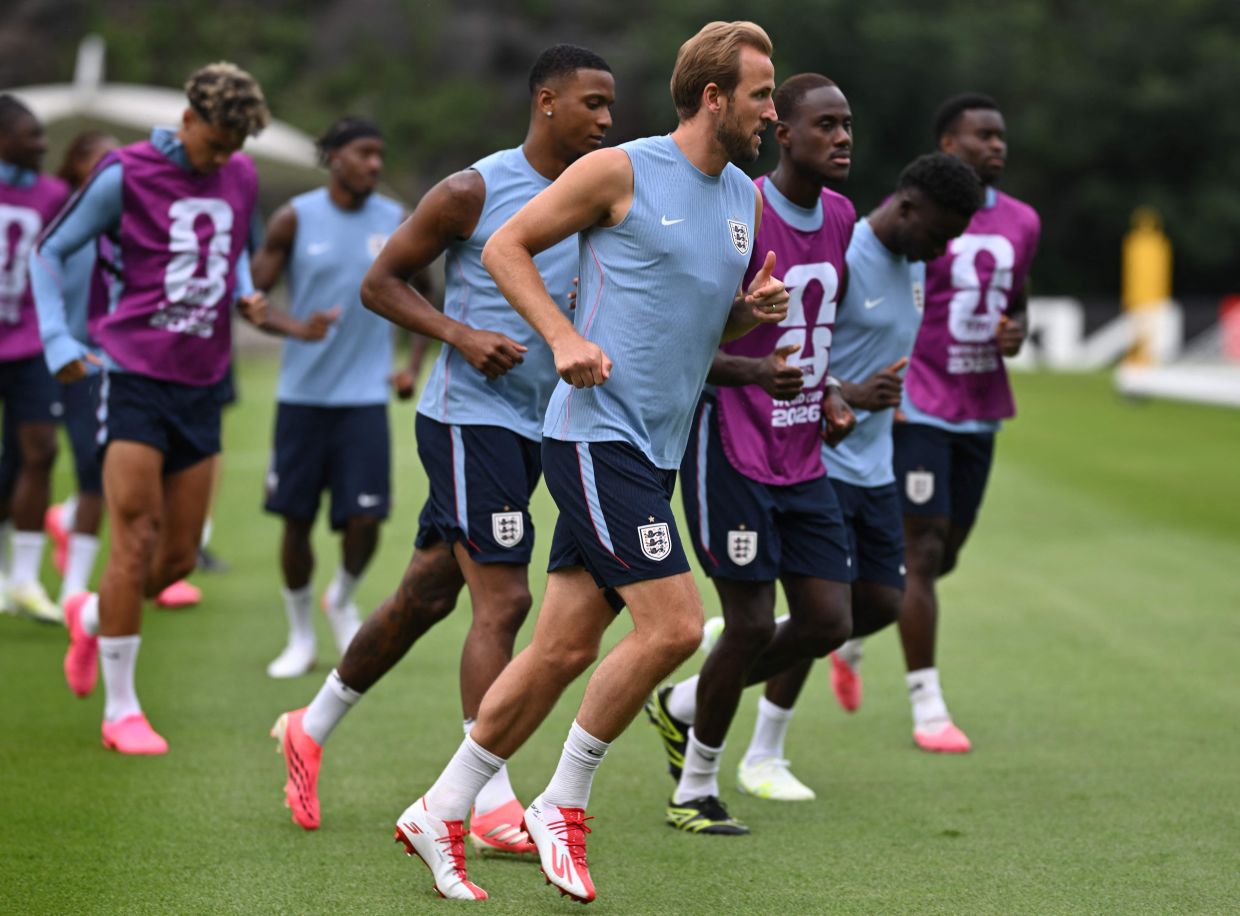
The World Cup's knockout stage reaches a fever pitch this weekend with two blockbuster round-of-16 matches that will determine which teams advance to the quarter-finals. England's journey to Mexico City comes after a cautious group-phase campaign, while their opponents have dominated at home without conceding. Simultaneously, a Norway side led by Erling Haaland's remarkable scoring form will attempt to upset the five-time world champions Brazil in New Jersey, setting up a potential quarter-final between the winners in Miami.
England's passage to the last 16 proved far more laboured than pre-tournament expectations suggested. Despite entering the competition as genuine contenders chasing a first major title in 60 years, Thomas Tuchel's team struggled through the group stage before securing a narrow 2-1 victory over the Democratic Republic of Congo. That win, built on a late double from captain Harry Kane, underscores the psychological challenges England faces in Mexico City. The Three Lions have underperformed relative to their considerable talent and ranking, and now must overcome both a formidable home opponent and the physical demands of competing at high altitude.
Mexico presents a starkly different challenge from England's group opponents. El Tri have won all four matches on home soil without conceding a goal, creating an imposing fortress at the Estadio Azteca. The 2-0 victory over Ecuador secured their first knockout-round win at the World Cup in four decades, and the prospect of eliminating England before a fervent home crowd carries profound symbolic weight for the Mexican football public. Coach Javier Aguirre has managed expectations carefully, acknowledging England's fourth-place FIFA ranking while emphasising his own team's ten-ranked status, yet he has also suggested that victory would require a near-perfect performance from his squad.
The Azteca itself looms large in this narrative. Situated 2,240 metres above sea level, the venue presents a significant physiological challenge for visiting teams unaccustomed to such altitude. Tuchel has expressed frustration at the difficulty of adapting within four days, describing the adjustment as impossible within that timeframe. Yet beyond the technical impediment, the Azteca carries genuine historical resonance for English supporters and players alike. The stadium witnessed England's infamous 1986 encounter with Argentina, where Diego Maradona's 'Hand of God' goal proved decisive. Returning to the venue four decades later adds narrative texture to what is already an absorbing contest, and Tuchel visibly felt the weight of that context upon arriving in Mexico City, describing the occasion as a proper World Cup match held within an iconic stadium charged with genuine emotion.
England's tactical vulnerabilities have become increasingly apparent despite their progress. The defence has appeared vulnerable to pace, particularly down the right flank, a weakness that an organised Mexican team will attempt to exploit. Tuchel must resolve this defensive fragility while also managing the psychological burden of performing at altitude against an unbeaten home side. Mexico's collective organisation and recent form suggest they possess both the means and the confidence to trouble England's back line, though the technical quality of Tuchel's attacking players, particularly when supported by midfield creativity, should not be underestimated.
Weather conditions will add another variable to Sunday's encounter. The scheduled 6pm local kick-off time (4am Monday, July 6, Malaysian time) coincided with forecasts of thunderstorms in Mexico City, prompting FIFA to consider advancing the start time on Friday. The governing body ultimately confirmed the scheduled timing would remain unchanged, though meteorological uncertainty persists. Temperatures hovering around 21°C represent relatively pleasant conditions compared to the near-record 38°C that accompanied France's match in Philadelphia, suggesting that at least the heat will not constitute a significant factor.
Parallel proceedings in New Jersey pit Brazil against Norway in a contest that will determine the other quarter-final opponent from this pairing. Norway's remarkable tournament performance has been anchored by Manchester City forward Erling Haaland, whose five goals in three appearances represents an extraordinary scoring rate. Haaland will encounter familiar faces in Brazil's defensive line, particularly Gabriel Magalhaes of Arsenal and PSG's Marquinhos, both of whom have faced the Norwegian forward regularly in European club competition. Brazil coach Carlo Ancelotti appeared unselfconscious about the threat Haaland represents, suggesting his defenders require no special instructions given their extensive experience against the striker.
Norway's approach to facing the five-time world champions reflects a calculated balance between respecting the opposition and avoiding psychological surrender to the occasion. Coach Stale Solbakken has cautioned his players against allowing the magnitude of facing Brazil to dictate their tactical approach, instead urging focus on executing their match plan effectively. Solbakken's observation that Brazil no longer represents the overwhelming force they wielded several years ago carries validity; the Selecao's dominance has waned measurably, though they remain formidable opponents. Severe weather forecasts for New Jersey, including regional flood warnings, may further complicate preparations for both teams.
The Miami quarter-final awaits the victors from these Sunday encounters, representing the final hurdle before the semi-final stage. For England, redemption against Mexico would represent significant progress toward justifying pre-tournament expectations, though the path remains arduous. Mexico's pursuit of a first World Cup quarter-final appearance in decades would constitute a transformative achievement for Mexican football. Similarly, Brazil's march toward the latter stages of the tournament continues amid attempts to reclaim former glories, while Norway seeks to establish itself as an emerging force capable of troubling established powers.
For Malaysian and Southeast Asian viewers, these matches encapsulate the World Cup's dramatic essence. The contrast between Mexico's perfect home record and England's hesitant progress creates compelling theatre, while Haaland's explosive form offers the individual brilliance that transcends national boundaries. The results will reshape the tournament's final chapters and determine which nations harbour genuine aspirations of lifting football's greatest prize in what promises to be an emotionally charged weekend of knockout football.

