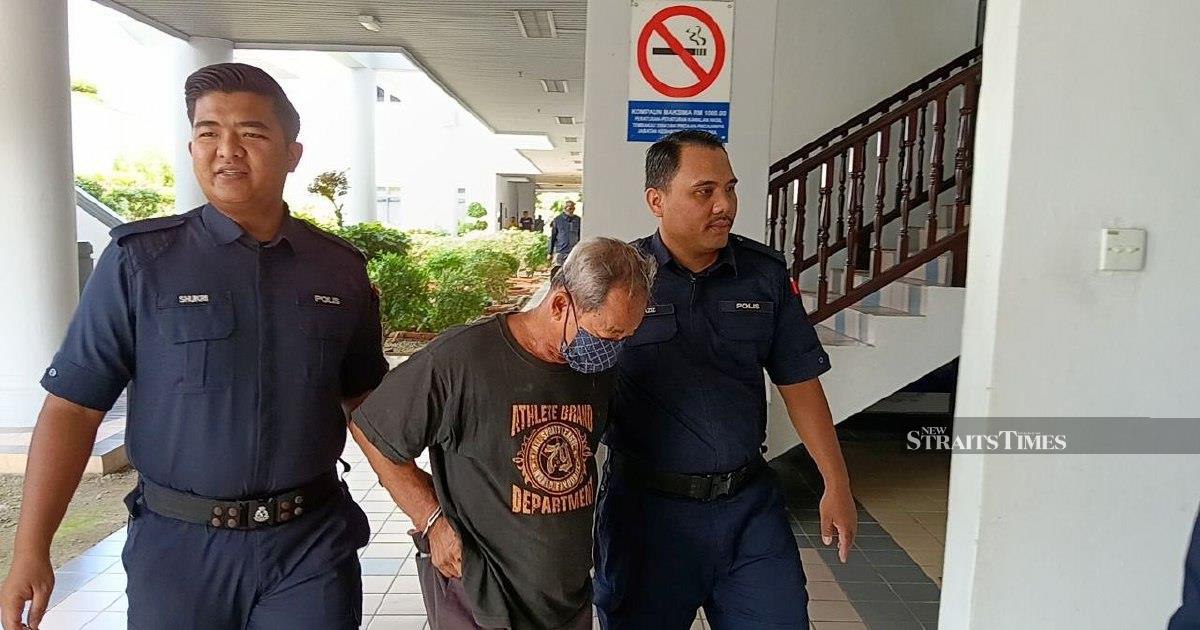
A man of advanced age appeared before the Ayer Keroh Sessions Court in Melaka yesterday to face dual charges stemming from the alleged sexual assault of two young primary schoolchildren. The case has drawn renewed focus to child safety protocols within community facilities and the vulnerability of minors in spaces traditionally considered secure. Authorities brought forward the charges following investigations into disturbing incidents that reportedly unfolded within a mosque storeroom—a location that raises uncomfortable questions about access controls and supervision in religious venues.
The alleged victims' age and educational status underscore the particularly troubling nature of such offences within Malaysia's legal framework. Primary schoolchildren are among the most vulnerable members of society, and assaults perpetrated against them trigger heightened concern from law enforcement, child protection advocates, and parents nationwide. The fact that the incidents occurred within a mosque adds layers of complexity, as these institutions command deep cultural and spiritual significance across Muslim communities in Malaysia and throughout the region.
The decision to pursue charges at the Sessions Court level indicates that investigating officers concluded sufficient evidence existed to proceed with prosecution. Malaysian criminal procedure requires careful assembly of material before charges of this gravity advance through the judiciary. The court's role now encompasses preliminary examination of evidence, consideration of bail conditions, and potentially eventual trial proceedings that may extend over considerable periods. Legal experts note that sexual assault cases involving children typically involve specialist prosecution teams and sensitive handling protocols to protect the complainants throughout proceedings.
This incident exemplifies broader concerns about child safety in shared community spaces. Malaysia, like many nations, grapples with balancing institutional autonomy with effective safeguarding measures. Mosques function as community hubs serving educational, spiritual, and social purposes, yet many operate with minimal security infrastructure. The storeroom setting suggests opportunity arising from inadequate supervision or access management—vulnerabilities that religious and community leaders across Malaysia increasingly recognize require urgent attention.
The alleged perpetrator's age presents an additional dimension to consideration. While elder abuse receives significant public health focus, crimes committed by seniors against vulnerable populations occur with sufficient regularity to concern social services, law enforcement, and criminologists. Such cases challenge stereotypes about ageing and behaviour while highlighting that safeguarding policies must extend across all demographic groups without exception or complacency.
Forensic and procedural evidence will prove central to prosecution and defence arguments as this matter advances. Malaysian courts apply rigorous evidentiary standards, particularly in cases involving alleged assaults. Investigators must establish clear chains of custody, preserve digital or physical evidence, and ensure interview protocols comply with legal requirements protecting both accusers and the accused's rights.
Child advocacy organisations within Malaysia have increasingly emphasised the psychological and physical impacts of sexual assault on primary-age victims. Recovery processes typically involve trauma-informed medical examination, psychological counselling, and family support services. Schools, parents, and community figures often struggle with appropriate responses to such incidents, balancing justice pursuits with protecting children's privacy and wellbeing.
The case arrives amid regional conversations about institutional accountability and governance standards. Southeast Asian nations collectively confront elevated prevalence of child protection failures within community organisations. Malaysia's legal system, judicial infrastructure, and social support mechanisms continue evolving to address such matters comprehensively. Recent legislative amendments have strengthened certain child protection provisions, though advocates argue implementation gaps and resource constraints hinder effectiveness across jurisdictions.
Religious institutions and community facilities throughout Malaysia will likely scrutinise this case for lessons applicable to facility management and visitor access protocols. Organisations increasingly recognise that comprehensive safeguarding demands written policies, staff training, background verification systems, and robust reporting mechanisms. The mosque context particularly merits attention, as security improvements must respect cultural sensitivities whilst preventing exploitation of trust relationships within faith communities.
As proceedings continue, attention will focus on evidence presentation, testimonial credibility assessment, and judicial interpretation of applicable statutes. Malaysian law provisions addressing sexual assault vary in severity and procedure depending on victim age, assault nature, and aggravating circumstances. The gravity of charges brought before the Sessions Court suggests prosecutors believe evidence supports serious offence categories.
The presumption of innocence remains fundamental to Malaysian justice principles, and the accused retains full legal rights throughout proceedings. However, the charges reflect investigating authorities' determination that sufficient probable cause existed to advance the matter judicially. Public concern about vulnerable children's safety coexists with commitment to fair legal process—principles that sometimes create tension but remain essential to rule-of-law functioning.
This incident underscores why parents, schools, community leaders, and facility operators must collaborate proactively on child protection frameworks. Education, vigilance, and institutional reform represent essential components of comprehensive safeguarding approaches. Malaysia's continued development of child-centred justice systems and victim support services will likely inform how such matters are handled going forward across the region.

