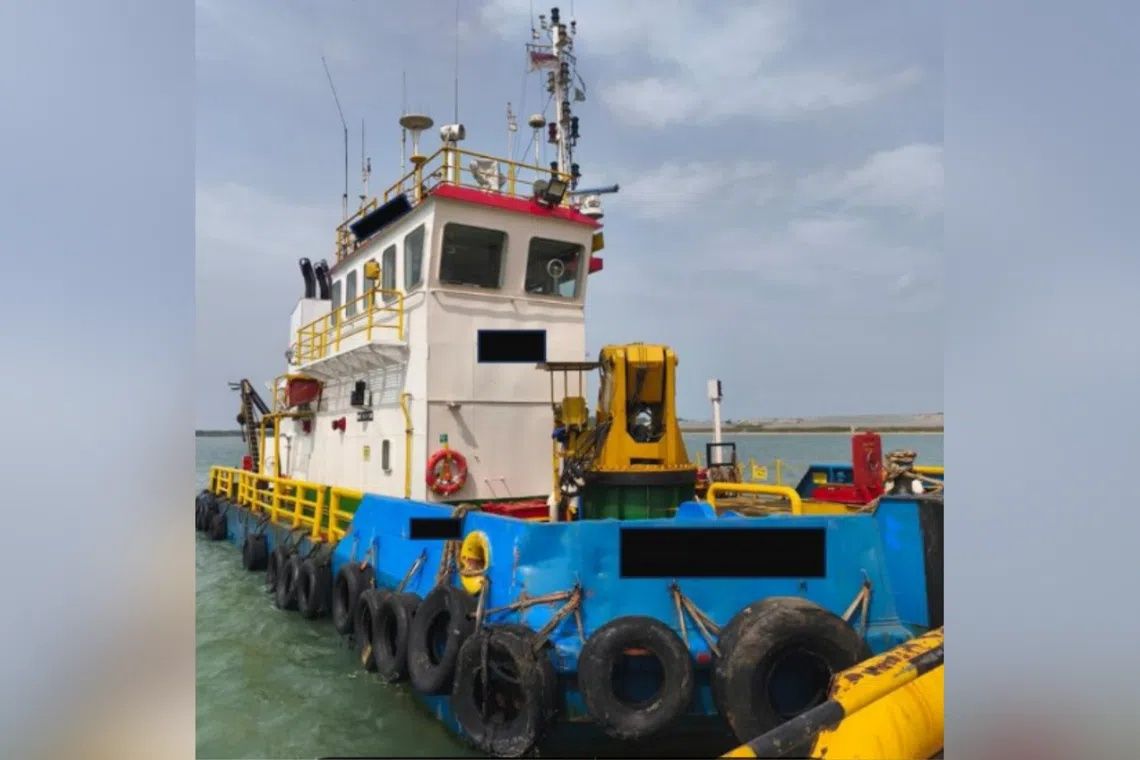
Eight men ranging in age from 25 to 54 face court proceedings this week after their apprehension in connection with the illegal diversion of marine gas oil from a Singapore-registered tugboat. The Police Coast Guard discovered the suspected theft during a routine maritime inspection conducted in the early morning hours of August 13, when officers boarded the vessel operating in waters adjacent to Tuas, one of Singapore's principal maritime zones.
The incident highlights ongoing vulnerabilities in Singapore's maritime sector, where fuel theft and illicit bunkering remain persistent challenges despite substantial law enforcement resources. The tugboat, which carries the Singapore flag, was intercepted at approximately 1:05 am during what authorities characterised as a standard security operation. However, the subsequent investigation would reveal a coordinated scheme among crew members to systematically divert fuel resources.
According to police findings, the arrested men—all working as crew aboard the tugboat—deliberately removed marine gas oil valued at approximately S$10,570 without authorisation from their employer. Rather than returning the fuel to company stores or proper maritime channels, the men proceeded to sell the diverted cargo privately for personal profit. This deliberate breach of trust transformed what might have been classified as a maintenance or logistical discrepancy into a premeditated commercial fraud affecting both the vessel's operator and Singapore's maritime commerce.
The severity with which Singapore's authorities treat such offences reflects the strategic importance of protecting the city-state's port infrastructure and fuel supply chains. The men now face charges under the offence of theft by servant of property in possession of master, a provision specifically designed to address breaches of fiduciary duty by employees entrusted with valuable company assets. Conviction on this charge carries substantial penalties, including potential imprisonment of up to seven years and significant fines, underscoring the legal system's commitment to deterring insider maritime crime.
For regional observers, the case presents a cautionary note regarding supply chain vulnerabilities in Southeast Asia's bustling shipping corridors. The Straits of Malacca and Singapore waters constitute some of the world's most critical maritime trading routes, handling hundreds of millions of tonnes of cargo annually. Fuel theft, though seemingly isolated incidents, can compromise vessel safety, inflate operational costs for shipping companies, and potentially facilitate larger organised crime networks. The swift police response in this instance demonstrates Singapore's proactive stance in maintaining maritime security standards.
The maritime fuel market in Southeast Asia operates under considerable pressure, with legitimate bunkering operations competing alongside informal or illicit alternatives. Crew members working in this environment face financial pressures and limited oversight opportunities that can incentivise unauthorised fuel sales. The price differential between legitimate marine gas oil procurement and informal market sales can be substantial, creating financial motivation for individuals aware that detection risks may appear manageable during routine operations.
Singapore's Police Coast Guard has positioned maritime enforcement as a critical national security priority, particularly given the republic's geographic vulnerability and economic dependence on uninterrupted maritime traffic. Regular inspections of commercial vessels, while potentially disruptive to shipping schedules, serve essential functions in detecting contraband, fuel theft, and human trafficking. The August 13 operation exemplifies this security apparatus in action, with officers identifying suspicious activity aboard a tugboat that might have otherwise escaped notice.
The case also reflects broader challenges facing maritime employers across the region in maintaining crew discipline and asset security. Tugboat operators, who typically maintain smaller crews for extended voyages, face particular difficulties in implementing comprehensive monitoring systems. The crews' intimate familiarity with vessel operations, fuel storage locations, and market contacts creates structural opportunities for precisely the kind of scheme authorities uncovered during this inspection. Shipping companies increasingly invest in GPS tracking, sealed fuel tanks, and electronic inventory systems to counter such internal threats.
For Malaysia and other Southeast Asian maritime economies, the Singapore case carries operational implications. Fuel theft and illegal bunkering activities often cross national boundaries, with diverted cargo subsequently entering regional supply chains. Coordinating enforcement efforts across maritime jurisdictions remains challenging despite cooperative agreements and information-sharing protocols. The professional tugboat workforce, many of whom work across multiple ports and national waters throughout Southeast Asia, represents both a valuable resource and a potential vulnerability point for supply chain disruption.
Authoritarian enforcement responses, while occasionally heavy-handed, reflect genuine concerns about maritime security in strategically vital waters. Singapore authorities emphasise that such operations will continue regularly, signalling to potential offenders that detection risks are genuine and consequences substantial. This deterrence messaging aims to shift the calculation for crew members and other maritime workers contemplating involvement in fuel theft schemes.
The broader context of maritime criminality in Southeast Asia encompasses human trafficking, piracy, smuggling, and organised theft operations. Individual cases of fuel theft might appear minor in isolation, but authorities recognise that systematic diversion represents normalised corruption that erodes industry standards and creates openings for more sophisticated criminal enterprises. The police statement specifically warning of continued enforcement operations suggests recognition that fuel theft requires sustained rather than episodic attention.
As the eight men progress through Singapore's legal system, their case will likely influence maritime security practices across the region. Shipping companies may implement stricter fuel accounting procedures, crew rotation policies, and oversight mechanisms. Regional maritime authorities will doubtless monitor the proceedings and potential sentencing, understanding that proportionate legal consequences contribute to sustained deterrence. For Malaysia's maritime sector and other regional economies, the incident reinforces the necessity of coordinated approaches to supply chain security and crew accountability standards in an increasingly complex and competitive shipping environment.

