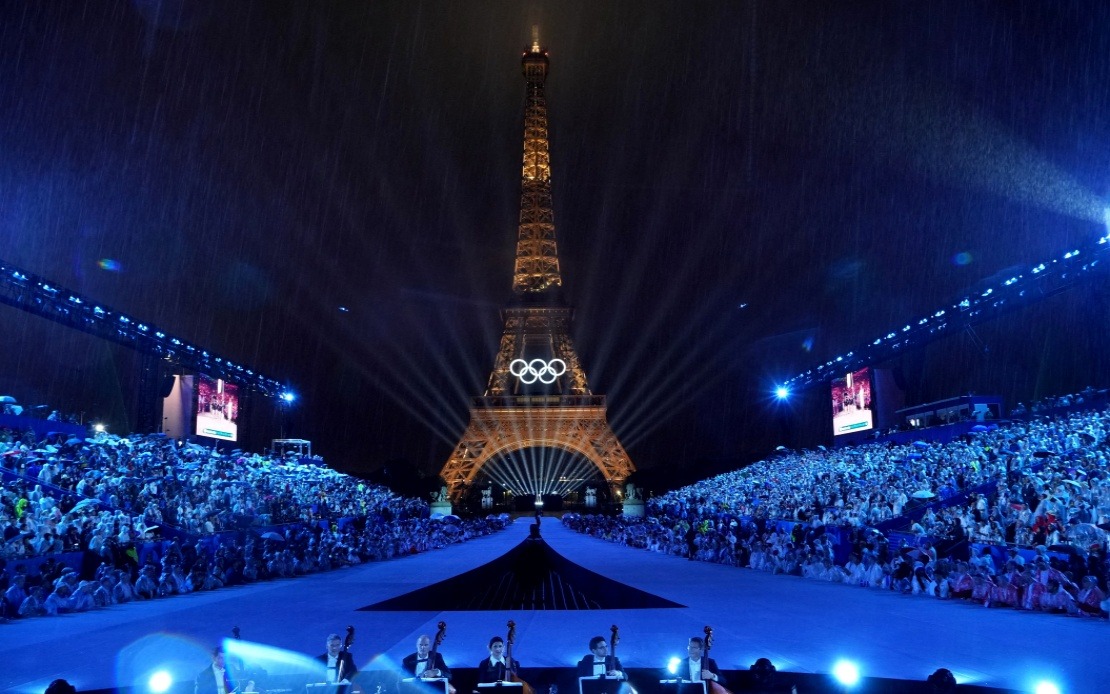
France's most visited monument, the Eiffel Tower, took the unusual step of closing its doors early on Tuesday as dangerous heat swept across the country, marking an exceptional response to weather conditions that authorities say pose genuine risks to public welfare. The landmark's operating company, Sete (Societe d'Exploitation de la tour Eiffel), made the decision to shut down at 4.00 pm local time rather than maintain regular hours, with no entries permitted after 12.15 pm, disrupting routines that millions of annual visitors have come to expect.
Management justified the early closure by emphasising that visitor and staff safety takes precedence during extreme weather events. The decision reflects growing international concerns about operational safety during climate-driven temperature extremes, a challenge that heritage sites and major attractions worldwide increasingly face. Those holding tickets for time slots beginning from 11.30 am onwards for stair access, and from 12.00 pm for lift access, automatically qualified for refunds, though the timing nevertheless inconvenienced many tourists who had planned their Paris itineraries around typical opening hours.
The Louvre Museum, home to the Mona Lisa and one of the world's most prestigious art institutions, announced similar precautions. Rather than maintaining its customary 6.00 pm closing time, the museum will shut down at 4.00 pm from June 24 through June 27, aligning with broader precautions sweeping across the capital. These decisions by two of Europe's most economically significant tourist destinations underscored how seriously French authorities treat the current meteorological crisis.
The underlying cause of these closures stems from an intense heatwave gripping France, with temperatures forecast to remain dangerously elevated through at least Thursday. Meteo-France, the national meteorological service, reported that thermometers in Paris had already climbed to 36 degrees Celsius by 4.00 pm on Tuesday alone, with projections indicating even more severe conditions on Wednesday when highs could reach 38 degrees Celsius. Such temperature levels create hazardous conditions for crowds navigating enclosed spaces, climbing stairs, or standing in queues for extended periods.
The geographical extent of the heat emergency became apparent through alert designations issued by authorities. Meteo-France placed 54 departments across mainland France under red alert status, representing the most severe warning classification the weather service issues. An additional 35 departments received orange alert designations, meaning roughly one-third of the country faced heightened heat stress conditions. This distribution pattern indicated that the phenomenon affected not merely the Paris region but extended across vast swathes of the nation.
For Malaysian and Southeast Asian readers, the situation in France offers instructive parallels regarding infrastructure resilience during extreme weather. While tropical countries routinely contend with heat and humidity, European nations with less acclimatised populations and infrastructure face particular vulnerability when temperatures soar beyond seasonal norms. The proactive closure of major attractions demonstrates how institutions in developed economies now incorporate climate adaptation into operational planning, a consideration increasingly relevant as global temperatures continue rising.
The economic implications of such closures, though necessary, warrant consideration. Tourism represents a crucial revenue stream for Paris and France broadly, and early closures mean lost ticket sales, reduced spending at on-site facilities, and potential reputational concerns among international visitors. Yet authorities evidently determined that maintaining operations during dangerous heat levels posed unacceptable health risks that no revenue consideration could justify. This prioritisation of safety over commercial interests reflects evolving standards globally regarding institutional responsibility during climate emergencies.
From a broader perspective, the French heatwave exemplifies how climate change increasingly disrupts even the most established and well-resourced societies. The notion that major European capitals would need to restrict access to celebrated landmarks due to heat represents a stark shift from historical norms. As climate scientists have repeatedly warned, heat extremes will intensify in frequency and severity, necessitating permanent adaptations to how societies operate rather than treating such events as temporary aberrations requiring extraordinary measures.
For the tourism sector across the European continent, these closures signal a need to develop new operational frameworks. Visitor management systems, adjusted opening hours, and enhanced climate control infrastructure may become standard rather than exceptional. The challenge facing the Eiffel Tower, Louvre, and countless other attractions involves balancing accessibility with safety, a tension that will persist as atmospheric heating continues. Industry stakeholders must contemplate long-term structural modifications to accommodate projected temperature patterns.
Staff welfare represented another significant consideration in these decisions. Workers at major attractions typically labour in roles requiring extended periods on their feet, and extreme heat poses documented health risks including heat exhaustion and heat stroke. By closing early, operators acknowledged their obligation to protect employees from conditions that could cause serious medical emergencies. This labour-focused rationale reinforced the safety argument underlying the unprecedented closures.
The incident also highlighted how climate adaptation requires coordination across multiple institutions and government levels. While individual attractions made independent decisions, those choices aligned with broader French responses to the emergency, suggesting informal coordination and shared assessment of hazard levels. Such institutional synchronisation, though sometimes informal, demonstrates how developed societies mobilise resources when confronting existential environmental threats.
Looking forward, the management of tourist destinations during climate extremes will likely require pre-established protocols rather than ad hoc decision-making. Visitors planning trips during predicted heat events should anticipate potential disruptions, and the tourism industry must develop sophisticated forecasting systems to communicate closures and alternatives well in advance. The Eiffel Tower and Louvre closures, while exceptional by current standards, may foreshadow routines that increasingly characterise operations in coming decades.